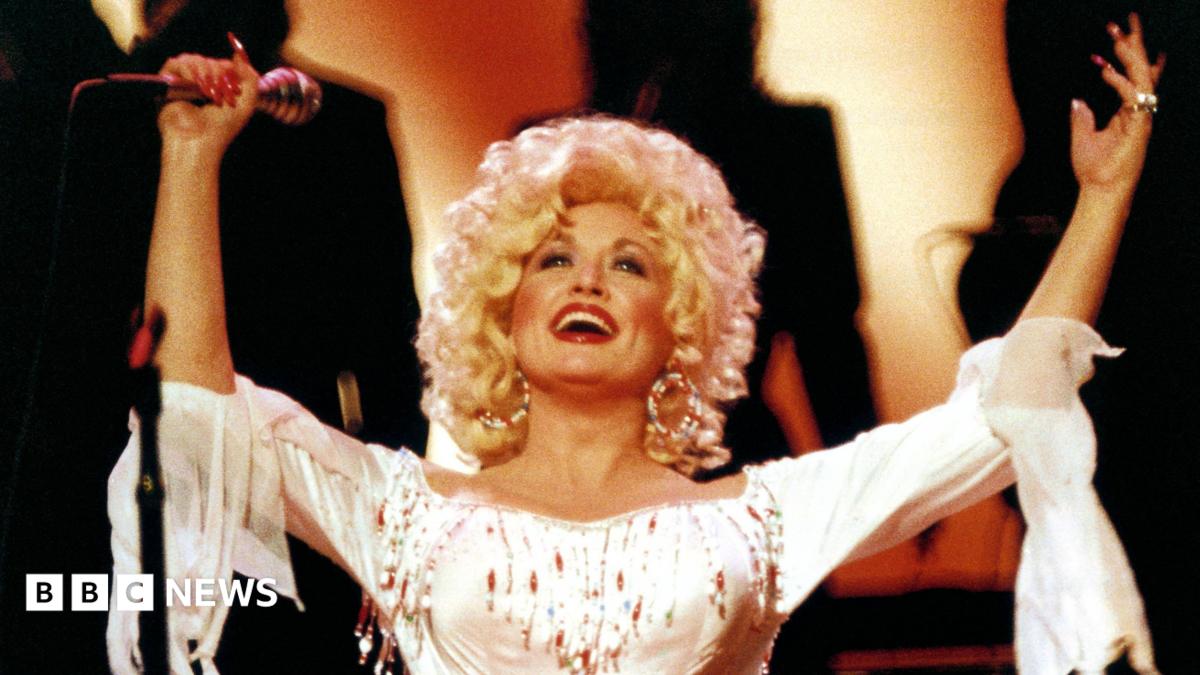
Beyond the glittering costumes and catchy tunes, Dolly Parton's true legacy lies in her fierce battle for artistic rights and her role as a voice for the working woman.
- Dolly Parton challenged the male-dominated structures of the music industry.
- Her refusal to sell the rights to 'I Will Always Love You' secured her financial independence.
- Her resilience paved the way for modern artists like Taylor Swift to fight for their masters.
The legacy of Dolly Parton is far more profound than just country melodies; it is a masterclass in resilience and strategic brilliance. In 1980, while filming '9 To 5', Parton demonstrated her innate creativity when her guitar was banned from the set. By strumming her acrylic nails together to mimic the sound of a typewriter, she birthed the rhythm for what would become a global anthem for working women.
A Voice for the Voiceless
While '9 To 5' is celebrated for its jaunty tempo, its lyrical core is a sharp critique of corporate sexism. BozokMedia analysis shows that Parton skillfully masked a deep fury against the exploitation of workers, particularly women, within a catchy arrangement. This duality allowed her to reach the masses while delivering a powerful social message.
Dolly Parton didn't just write songs; she gave a voice to the frustrations of millions of women navigating a man's world.
Her journey was never easy. From her early days as a 'girl singer' on The Porter Wagoner Show to navigating complex legal battles, Parton proved she was nobody's fool. When she parted ways with her mentor, Wagoner, she did so with grace but also with a firm understanding of her own worth.
The Battle for Rights: Elvis Presley vs. Dolly Parton
One of the most pivotal moments in music history was Parton's refusal to yield to the industry giants. When Colonel Tom Parker, acting for Elvis Presley, demanded half of the publishing rights for 'I Will Always Love You,' Parton stood her ground. She chose her family's future over a momentary windfall.
| Conflict | Outcome |
|---|---|
| Porter Wagoner Dispute | Settled for $1M, maintaining professional dignity |
| Elvis Presley's Request | Refused to sell publishing rights, securing long-term wealth |
| Whitney Houston Cover | Earned enough royalties to potentially buy Graceland |
The long-term impact of this decision was massive. When Whitney Houston released her iconic version in 1992, Parton's ownership of the rights resulted in immense wealth, which she strategically used to invest in Nashville's Black community to honor Houston's legacy.
The Blueprint for Modern Icons
Parton’s 'backbone of steel' provided a blueprint for the current generation of artists. Taylor Swift, who has famously fought to reclaim her master recordings, has openly acknowledged Parton's influence. Swift's battle against hedge funds to protect her intellectual property is a modern echo of the fight Parton won decades ago.
Frequently Asked Questions
Question 1: Why didn't Dolly Parton sell the rights to her song to Elvis Presley?
Answer: She refused to compromise her family's financial security and the long-term value of her songwriting.
Question 2: How did Dolly Parton impact the music industry?
Answer: She empowered female artists to fight for their rights and proved that country music could carry deep social commentary.


