In an era of loud blockbusters, movies like 'Motor City' prove that silence can be more impactful than dialogue. Explore the evolution of wordless storytelling from the silent era to today.
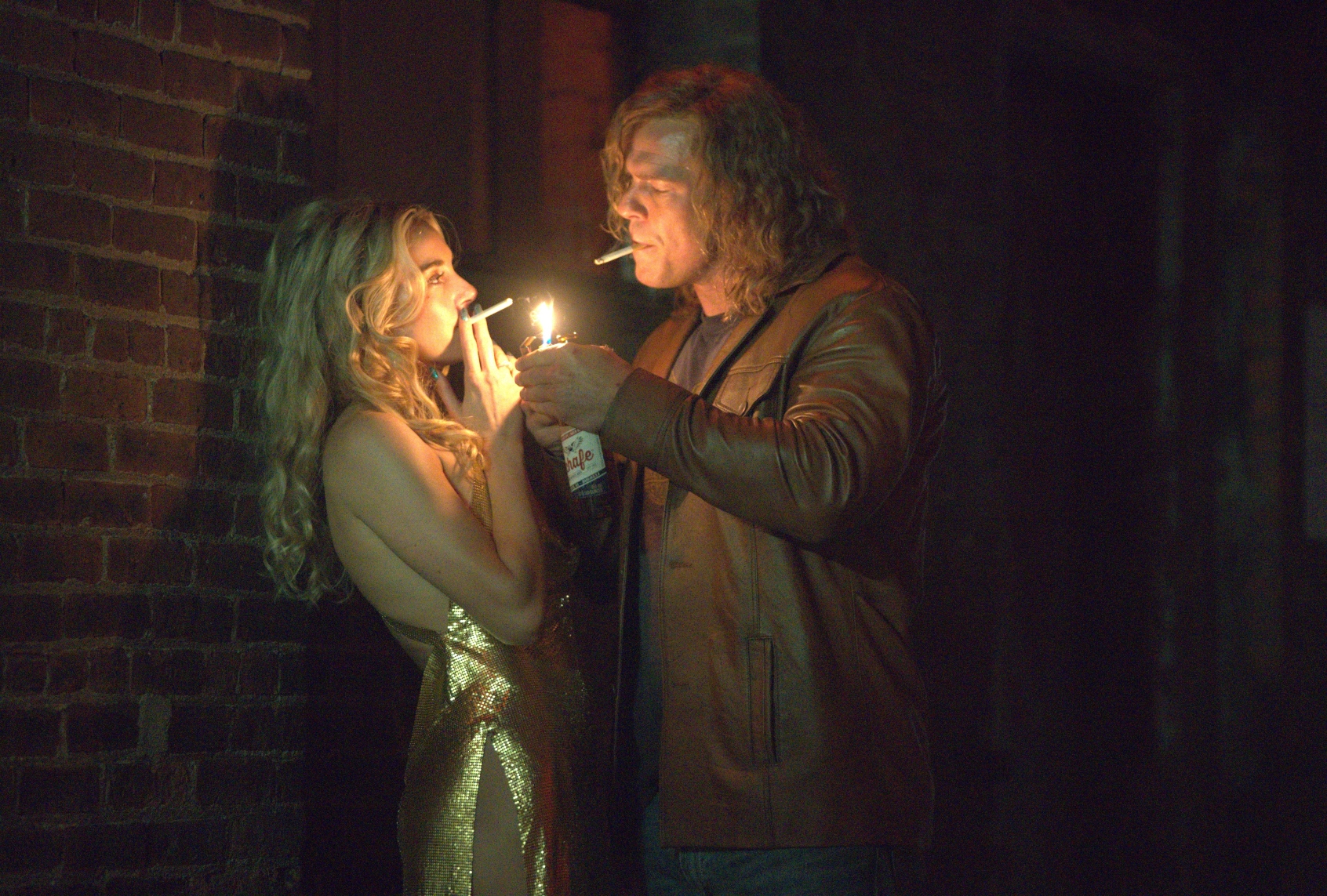
In a cinematic landscape dominated by deafening sound effects and rapid-fire dialogue, the film 'Motor City' emerges as a striking anomaly. Starring Alan Ritchson, the film utilizes a minimalist approach to dialogue, relying instead on visceral action and intense physical presence to drive its narrative forward.
This stylistic choice brings to mind the legendary Charlie Chaplin. While Ritchson is known for his muscular, high-octane roles in series like 'Reacher', his performance in 'Motor City' demands a level of physical acting that was the hallmark of early 20th-century cinema. By stripping away the verbal, the film forces the audience to engage with the raw emotion of the characters.
Why This Matters
BozokMedia analysis shows that reducing dialogue can actually heighten the sensory experience of a film. When words are absent, the audience's attention shifts to the nuances of facial expressions, the rhythm of the soundtrack, and the precision of stunt choreography, creating a more immersive atmosphere.
Silence in film is not an absence of communication, but a different, more primal form of it.
Historically, the transition from silent films to 'talkies' was a seismic shift in Hollywood. However, masters like Chaplin understood that speech could sometimes limit a character's universality. His work in 'Modern Times' showcased how to bridge the gap between the silent era's expressiveness and the new era of synchronized sound.
The legacy of silent filmmaking continues to thrive in unconventional ways. From the Oscar-winning 'The Artist' in 2011 to modern festivals like 'Modern Silent Shorts', there is a growing appetite for stories told through visual mastery rather than verbal exposition.
Comparison: Silent vs. Sound Era
| Feature | Silent Era | Sound Era (Talkies) |
|---|---|---|
| Primary Tool | Gestures & Pantomime | Dialogue & Audio |
| Narrative Focus | Visual Storytelling | Verbal Plotting |
| Global Appeal | High (Universal) | Language Dependent |
Frequently Asked Questions
1. Is 'Motor City' considered a silent film?
Not strictly, but it uses minimal dialogue to emphasize its action-driven narrative, similar to the silent film tradition.
2. Why did Charlie Chaplin prefer silent films?
Chaplin believed that giving his characters voices might destroy their universal appeal and ability to connect with all cultures.