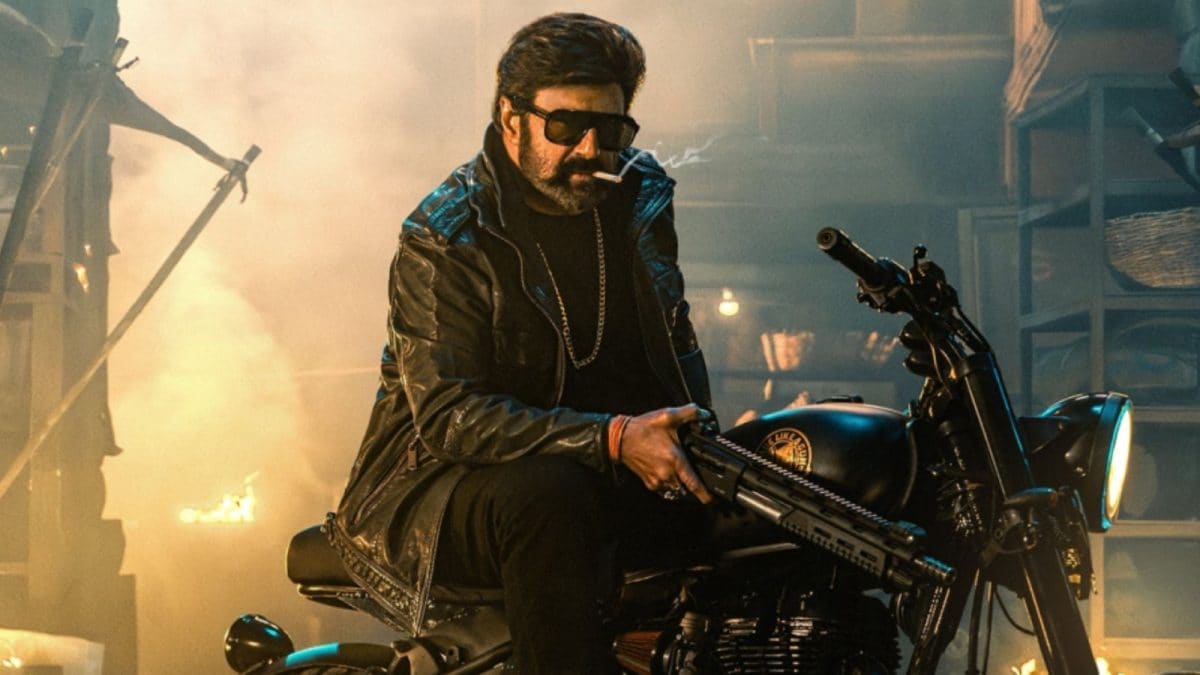
A critical examination explores how contemporary fairytale narratives act as a vehicle for promoting harmful masculine stereotypes under the guise of heroism.
- Modern fairytales are increasingly being used to mask toxic masculine ideologies.
- Cinematic heroes often reinforce patterns of dominance and aggression.
- Media consumption plays a pivotal role in shaping societal gender norms.
A profound critical analysis has emerged, suggesting that the whimsical world of fairytales may actually function as a 'Trojan Horse' for toxic masculinity. While these stories appear innocent and enchanting on the surface, they often carry within them deeply embedded messages regarding dominance, control, and regressive gender roles.
The core of the issue lies in the archetypal portrayal of the 'hero.' In many contemporary narratives, heroism is inextricably linked to aggressive behavior and the subversion of female agency. This creates a dangerous precedent where power is equated with the ability to command and control others, rather than emotional intelligence or empathy.
Why This Matters
BozokMedia analysis shows that the impact of these narratives extends far beyond the cinema screen. When media outlets consistently reward characters who exhibit toxic traits, they provide a blueprint for real-world behavior, particularly for younger audiences who are still forming their understanding of gender and identity.
The stories we tell our children become the blueprints for the society they build.
This phenomenon is not merely about individual films but reflects a systemic trend in storytelling where the 'hero's journey' is often a journey of asserting patriarchal authority over the environment and the people within it.
Historical Background
Historically, folklore and fairytales served as tools for moral instruction and cultural preservation. However, as these stories evolved into mass-marketed cinematic experiences, the nuance of moral complexity was often replaced by simplified, often harmful, binaries of strength versus weakness and male dominance versus female passivity.
Frequently Asked Questions
1. What is meant by 'Toxic Masculinity'?
It refers to a set of cultural norms that encourage men to behave in ways that are harmful to themselves and others, such as suppressing emotions and utilizing aggression to assert dominance.
2. How do fairytales contribute to this?
By framing dominance and aggression as essential components of 'manliness' or 'heroism,' they normalize these behaviors.