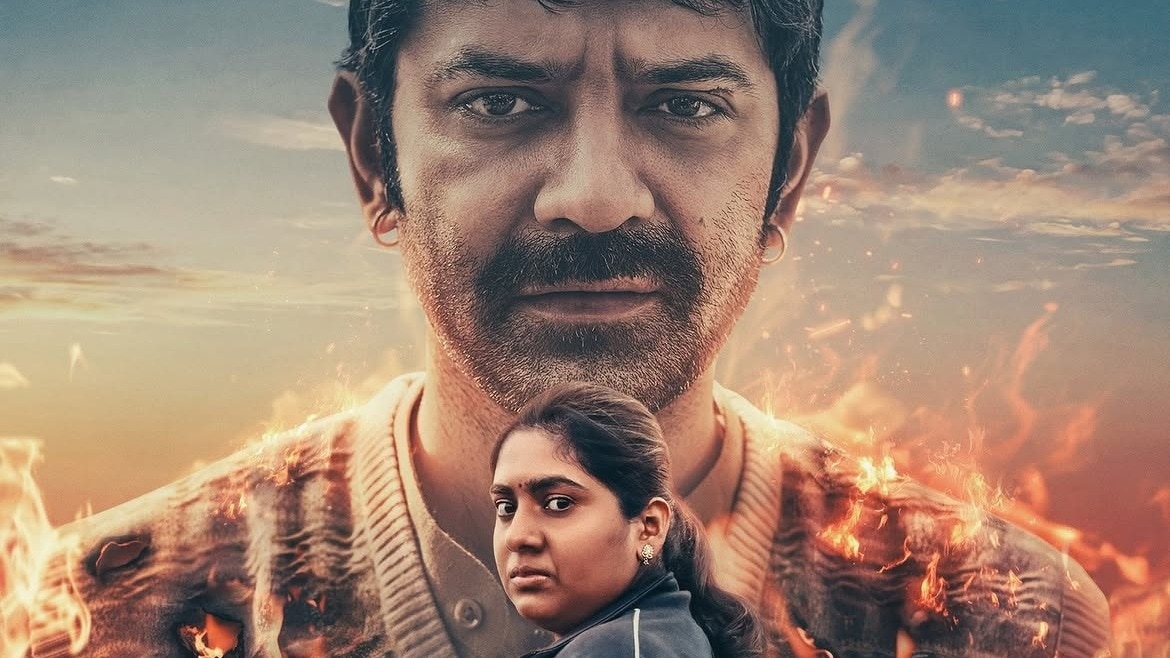
Nimisha Sajayan stars as an unconventional cop fighting both a murder mystery and the suffocating norms of patriarchy in 'Babita Singh Reporting'. It is a profound exploration of self-worth and identity.
- Nimisha Sajayan portrays a deeply human, non-superheroic police officer.
- The film blends crime investigation with themes of patriarchy and domestic gaslighting.
- A strong supporting cast including Barun Sobti and Anshumaan Pushkar enhances the narrative.
When the name Sudip Sharma is associated with a police uniform, expectations naturally soar toward gritty, morally grey sagas like 'Paatal Lok' or 'Kohrra'. As the executive producer of Babita Singh Reporting, Sharma sets a high bar, yet the film chooses a different path. Instead of a dark descent into crime, it serves as an introspective journey of a woman finding her voice amidst societal expectations.
The narrative centers on ASI Babita Singh, played with nuance by Nimisha Sajayan. Babita is a woman who has mastered the art of shrinking herself to fit into the lives of others—pleasing her boss, satisfying her in-laws, and suppressing her own needs. Her nickname, 'Baby', acts as a poignant metaphor for her lack of agency in her own life.
Why This Matters
BozokMedia analysis shows that the shift in Indian OTT content from hyper-masculine action to character-driven feminist narratives is crucial for evolving storytelling. This film highlights how systemic patriarchy operates not just through violence, but through subtle daily indignities.
The plot thickens when Babita’s childhood friend, Bansi (Barun Sobti), is found dead. Bansi was more than just a friend; he was the one who saw the real Babita behind her insecurities and weight. This personal loss ignites her professional instincts, transforming a routine investigation into a quest for justice and self-recognition.
Nimisha Sajayan isn't playing a superwoman with swag; she is playing a woman who stumbles, falls, and eventually stands up for herself.
The film brilliantly dissects the facade of the 'perfect husband'. Anshumaan Pushkar delivers a chilling performance as Sharad, a man who uses gaslighting and regressive traditionalism to keep his wife in check. The film also touches upon the disturbing reality of law enforcement officers who perpetrate domestic violence, adding a layer of uncomfortable social commentary.
| Feature | Traditional Cop Dramas | Babita Singh Reporting |
|---|---|---|
| Protagonist Style | Hyper-masculine / Action-oriented | Vulnerable / Human-centric |
| Core Conflict | Catching the criminal | Personal identity vs. Patriarchy |
| Tone | Dark / Gritty | Introspective / Emotional |
Frequently Asked Questions
1. Is the film a fast-paced thriller?
While it contains elements of a crime thriller, the pace is more focused on character development and emotional depth.
2. Who directed the film?
The film is directed by Ambiecka Pandit, who brings a sensitive touch to the interpersonal dynamics.