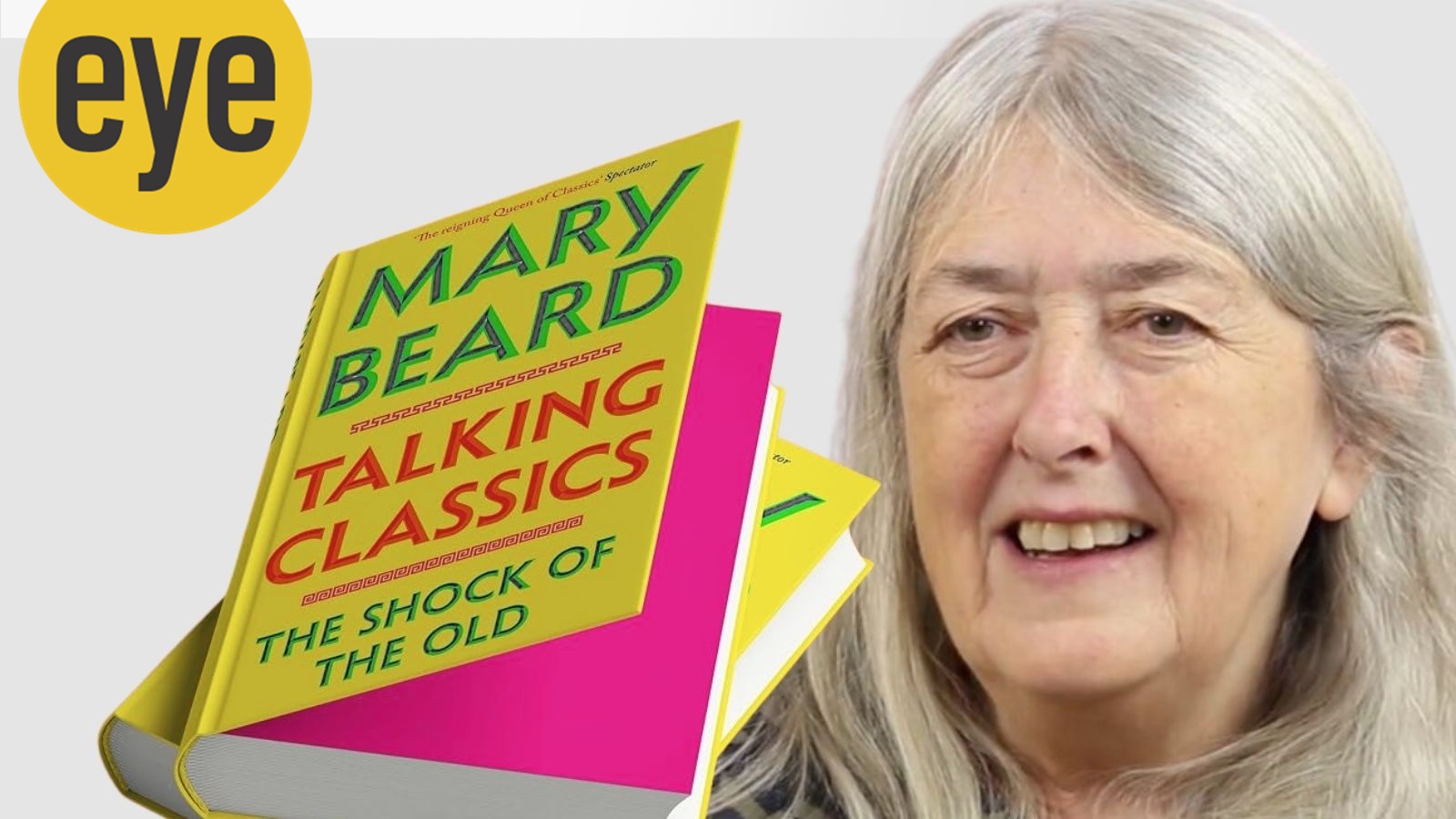
In her latest work, 'Talking Classics', world-renowned classicist Mary Beard explores the thrill of discovering that the past is neither dead nor settled, but a source of constant surprise.
When Mary Beard was just five years old, a curator at the British Museum held a 4,000-year-old piece of Egyptian bread close enough for her to see. That encounter with an ordinary object from a distant world sparked what the ancient Greeks called 'Thauma'—a profound sense of wonderment. This experience serves as the gateway to her latest book, 'Talking Classics: The Shock of the Old'.
Unlike traditional histories that focus solely on heroic men and marble monuments, Beard directs her gaze toward the overlooked fragments of life. She argues that a simple piece of bread carries the physical trace of an individual existence across four millennia, offering a much more intimate connection to the past than any epic poem might.
Why This Matters
BozokMedia analysis shows that in an era where classical antiquity is frequently weaponized to support narrow definitions of 'Western Civilization,' Beard’s perspective is vital. She provides a defense of the classics that is not rooted in veneration, but in rigorous, skeptical inquiry.
"Wondering what the past is, how to describe it... pushes us to the very frontiers of understanding."
Beard is acutely aware of how Greek and Roman culture has been appropriated by fascists and nationalists. However, she refuses the temptation to discard this heritage simply because it has been misused. She asserts that nobody has 'first rights' to the past; it is a contested space that belongs to everyone to examine and question.
The book does not shy away from the darker realities of the ancient world. Beard confronts the inherent brutality, slavery, and misogyny of classical societies. Rather than making these studies irrelevant, she suggests that the ancient world provides a mirror to our own, showing how easily high ideals can coexist with systemic violations of human rights.
Through a feminist and skeptical lens, Beard has reshaped the study of classics. She asks critical questions about who gets remembered and who gets to interpret history, ensuring that the classical tradition is seen as a living dialogue rather than a static inheritance.
Frequently Asked Questions
1. What is the main theme of 'Talking Classics'?
The book explores the tension between the familiarity and the strangeness of the ancient world, urging readers to let the past unsettle them.
2. How does Beard view the misuse of history?
She acknowledges that classical history is often misused by political groups but argues that the past should remain open to questioning by all rather than being abandoned.