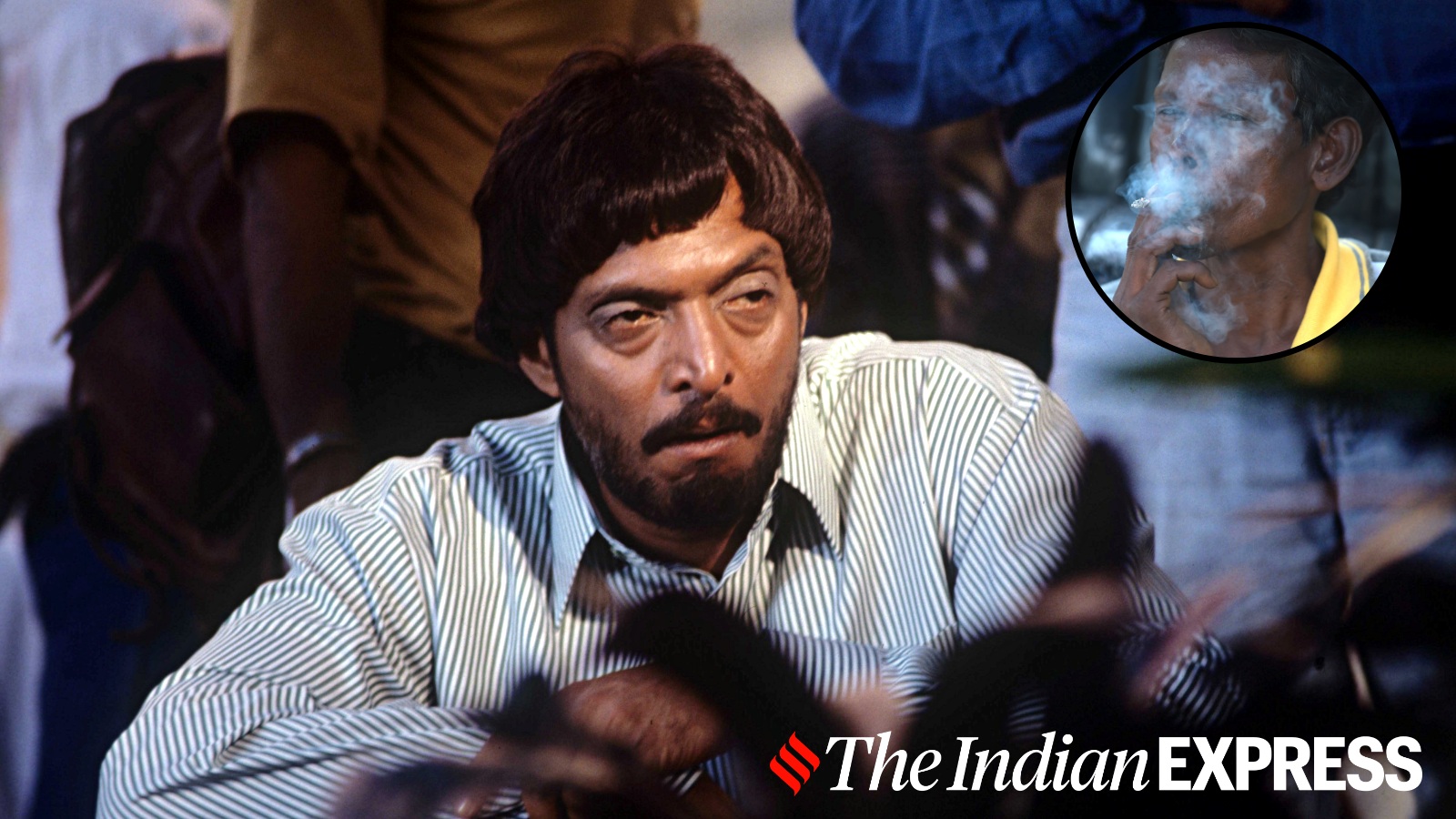
Veteran actor Nana Patekar reveals how a single, piercing question from his sister helped him overcome a massive nicotine addiction. Discover the psychological power behind his 20-year smoke-free streak.
- Nana Patekar used to smoke an average of 60 cigarettes per day.
- A tragic family event and his sister's words acted as a psychological catalyst.
- He has maintained a smoke-free lifestyle for over 20 years.
- Psychologists highlight the role of 'emotional shocks' in breaking addiction.
Veteran Bollywood actor Nana Patekar has opened up about a deeply personal transformation, revealing how he transitioned from a heavy smoker to being smoke-free for two decades. Patekar admitted that at the height of his addiction, he consumed approximately 60 cigarettes a day, even smoking while bathing.
The actor described the social toll of his habit, noting that his car would reek of smoke so badly that no one wanted to sit in it. "I never drank that much alcohol, but I smoked far too many cigarettes," he reflected.
The Turning Point: A Sister's Words
The catalyst for change was not a doctor's warning, but a moment of profound family grief. Patekar recalled a scene where his sister had just lost her only son. Amidst the mourning, Patekar was smoking and coughing. His sister looked at him and uttered a sentence that changed his life: "What else do I still have left to see?"
"That one sentence hit me hard. I felt very bad. So that day I didn't smoke, and I haven't since."
Following this emotional confrontation, Patekar adopted a simple yet effective mantra: "I won't smoke today." This daily commitment has sustained him for 20 years.
Why This Matters
BozokMedia analysis shows that Patekar’s story is a textbook example of how 'pattern interruption' works through intense emotional stimuli. While clinical interventions are vital, the human psyche often responds most powerfully to shifts in moral and emotional perception, turning a coping mechanism into a perceived threat to one's character.
The Science of Emotional Shocks
According to Dr. Abhinit Kumar, Senior Consultant – Psychiatry at ShardaCare-Healthcity, powerful emotional experiences can trigger an immediate shift in behavior. These experiences activate the amygdala—the brain's emotional processing center—which can temporarily override the craving circuits managed by the addiction loop.
Frequently Asked Questions
1. Can an emotional event actually stop an addiction?
Yes, experts say emotional shocks can alter an individual's risk perception and priorities instantly.
2. How long has Nana Patekar been smoke-free?
He has been smoke-free for approximately 20 years.