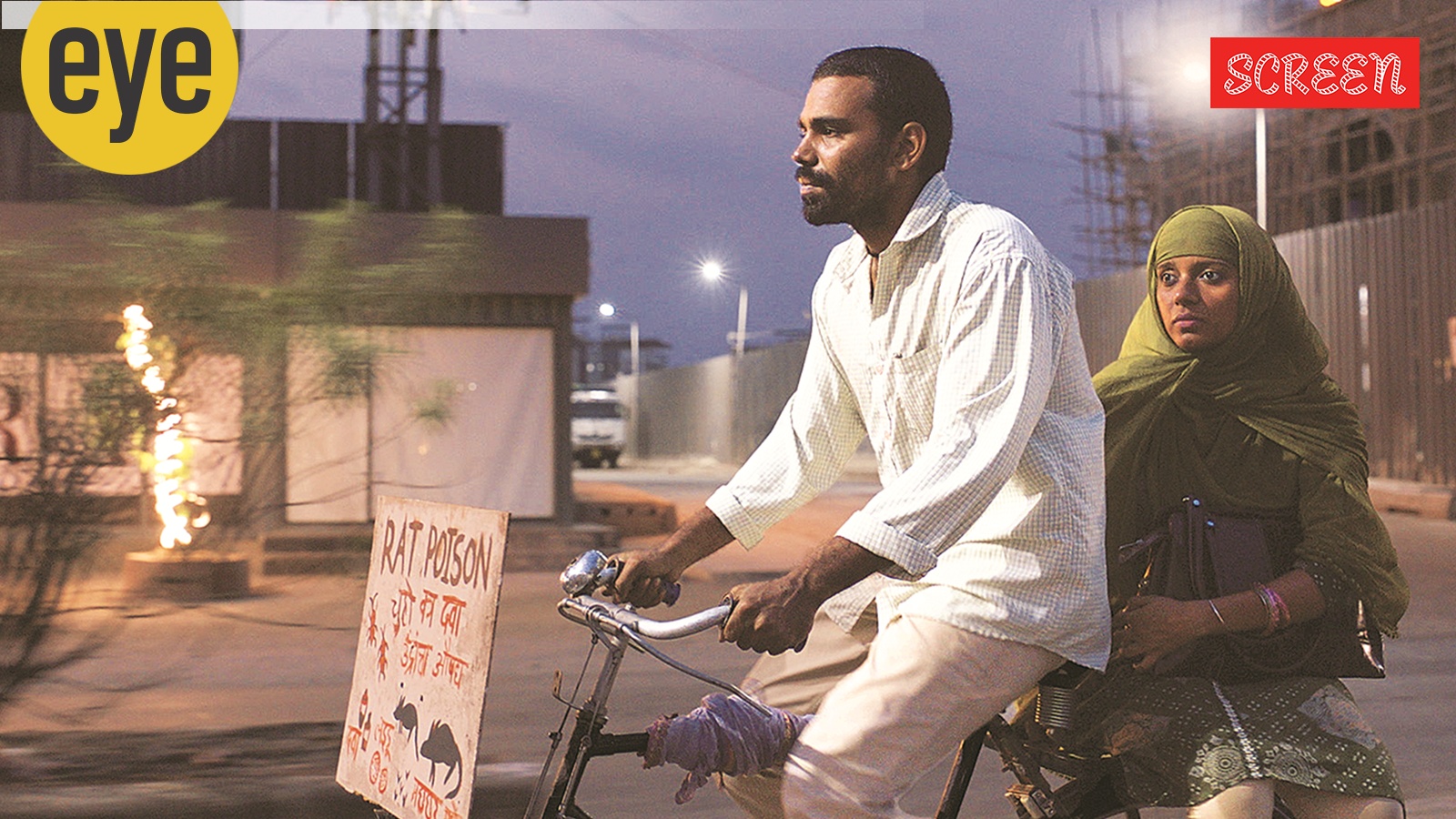
Award-winning director Anuparna Roy returns to the Venice International Film Festival with her sophomore feature, exploring the intersection of forbidden desire and migrant survival in Mumbai.
- Anuparna Roy returns to the Venice Orizzonti Competition after winning Best Director for her debut.
- 'Lovers in the Blue Night' explores the lives of four migrants in Mumbai dealing with closeted identities and loneliness.
- The film is inspired by Roy's childhood memories of a domestic helper and her gay husband.
The Venice International Film Festival is once again preparing to welcome one of India's most promising cinematic voices. Director Anuparna Roy, who made history as the first Indian filmmaker to win the Best Director Award in the Orizzonti segment for her debut Songs of Forgotten Trees, is returning with her second feature, Lovers in the Blue Night. The film, which delves into the raw and often ignored fringes of urban existence, is set to compete in the prestigious Orizzonti Competition from September 2-12.
The genesis of the film lies in Roy's childhood in Purulia, West Bengal. She recalls being fascinated by Ameena, a domestic help, and her husband Kareem. It was only years later that Roy realized the emotional void in their marriage stemmed from Kareem being gay—a secret kept to maintain societal acceptance. This realization became the emotional blueprint for Lovers in the Blue Night, which reimagines these dynamics within the chaotic landscape of present-day Mumbai.
Why This Matters
BozokMedia analysis shows that Roy's approach represents a shift in Indian independent cinema toward 'radical intimacy.' By focusing on the intersection of migration and forbidden desire, she challenges the traditional narrative of the migrant experience, moving beyond mere economic struggle to explore the psychological and sexual identity of those on the margins. Her insistence on casting friends rather than professional stars further emphasizes a commitment to authenticity over commercialism.
Roy's journey to the global stage has been marked by immense personal struggle. Before gaining international acclaim, she worked for two different IT companies simultaneously—secretly—to fund her first project. This tenacity reflects her uncompromising vision. She credits the realism of Ritwik Ghatak and the visual storytelling of films like The Zone of Interest and Roma for shaping her cinematic language, despite having no formal education in filmmaking.
"Filmmaking is unpredictable; the final edit often surprises the creator more than the audience, as the narrative evolves organically on set."
The plot of Lovers in the Blue Night weaves together the lives of four migrants: a closeted husband, his lonely wife who works in a bar, a small-time thief, and a pimp. Their intersecting paths create a tapestry of survival and longing. Roy's method of 'personal casting' allows her to modify dialogues and scenes on the fly, ensuring that the emotional beats feel genuine and unforced.
Looking ahead, Roy intends to continue her exploration of the human psyche. Her upcoming projects include a study of a dysfunctional long-term marriage and a coming-of-age drama centered on sexual awakening. By sticking to personal narratives, she aims to maintain a level of truth that she believes is impossible when writing purely fictionalized accounts of others.
Frequently Asked Questions
Q: What award did Anuparna Roy win at her first Venice Film Festival?
A: She became the first Indian filmmaker to win the Best Director Award in the Orizzonti segment for her film 'Songs of Forgotten Trees'.
Q: What is the central theme of 'Lovers in the Blue Night'?
A: The film explores the forbidden desires, loneliness, and survival of four migrants living in Mumbai.