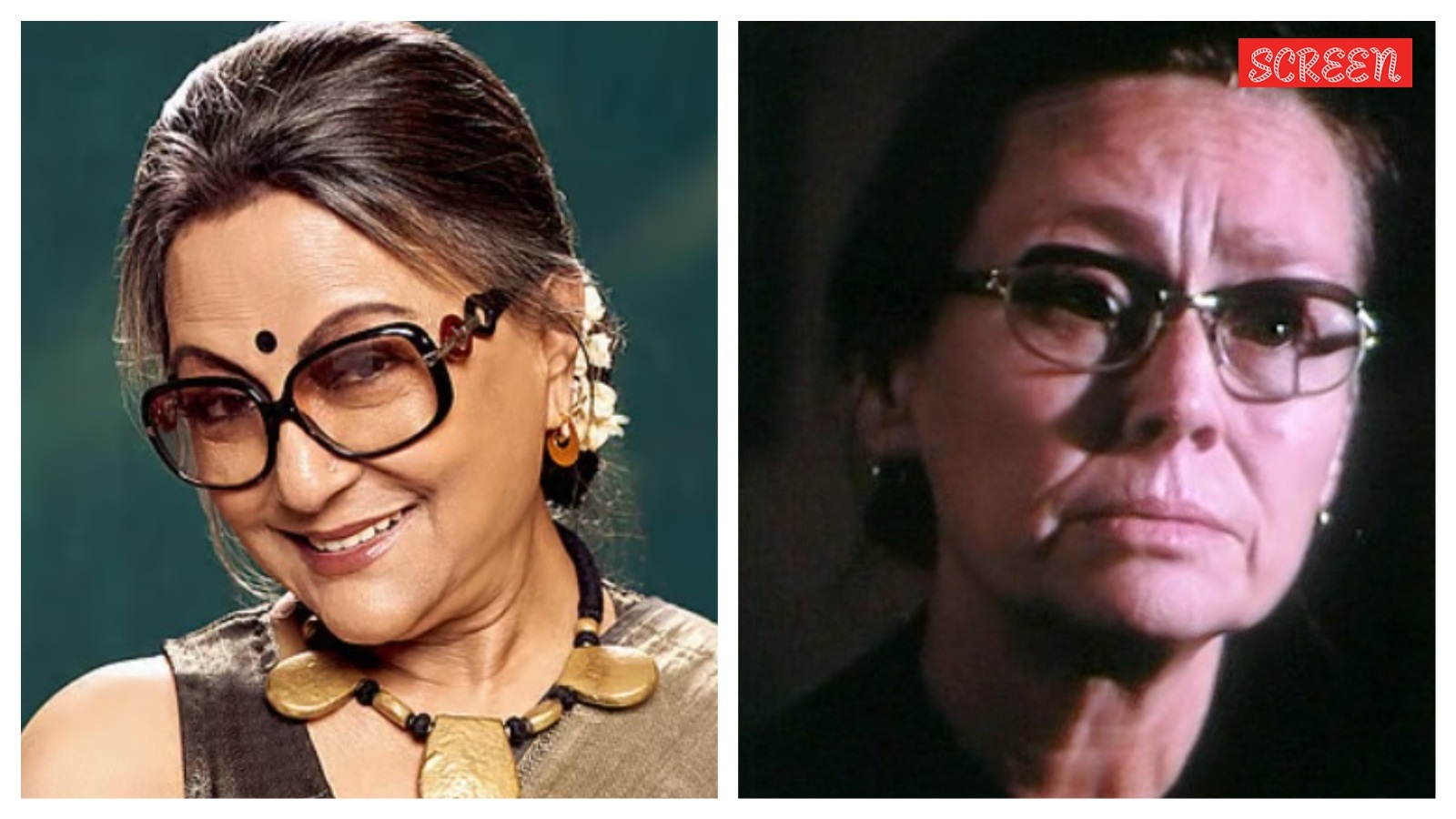
Veteran filmmaker Aparna Sen reflects on the 35-year journey of her debut '36 Chowringhee Lane' and the pivotal role Satyajit Ray played in her career.
- Aparna Sen's directorial debut '36 Chowringhee Lane' broke barriers by using English in Indian cinema.
- Legendary filmmaker Satyajit Ray encouraged her to pursue English-language filmmaking.
- Producer Shashi Kapoor provided the necessary backing to bring the vision to life.
Renowned actress and director Aparna Sen recently opened up about the profound journey behind her directorial debut, '36 Chowringhee Lane', as it celebrates 35 years. The film, which stands as a landmark in Indian cinema, was born out of Sen's deep empathy for the elderly and those living in isolation—a theme inspired by her childhood observations in Kolkata.
The Genesis of a Vision
Sen recalls how the loneliness of elderly Anglo-Indian teachers during her school days in Kolkata left an indelible mark on her. One particular teacher, Ms. Stoneham, became a subconscious inspiration for the film's protagonist. While writing the screenplay, Sen found solace in the melancholic tones of The Beatles' 'Eleanor Rigby,' which mirrored the themes of solitude she aimed to portray.
The Turning Point: Satyajit Ray's Intervention
Despite her talent, Sen faced immense skepticism when she decided to write and direct an English-language film in India. Most contemporaries believed that an English film would never find funding or an audience. Seeking clarity, she turned to the maestro Satyajit Ray. Instead of discouraging her, Ray provided a visionary perspective, stating, 'I think the time has come for India to make English films.' This validation was the catalyst Sen needed to move forward.
Why This Matters
BozokMedia analysis shows that Ray's encouragement was not just personal advice but a strategic recognition of India's linguistic diversity and global potential. By validating English-language storytelling, Ray helped pave the way for a more cosmopolitan and internationally accessible era of Indian cinema.
Satyajit Ray didn't just give advice; he gave Aparna Sen the permission to redefine the boundaries of Indian storytelling.
Following Ray's suggestion, Sen approached Shashi Kapoor, who was then venturing into production. Kapoor, along with his wife Jennifer Kendal, embraced the script. This collaboration transformed a 'risky intellectual exercise' into a cinematic masterpiece that challenged the status quo of the Indian film industry.
Frequently Asked Questions
1. What was the main struggle Aparna Sen faced while making her debut?
The primary struggle was the lack of belief in the commercial viability of an English-language film in India.
2. Who produced '36 Chowringhee Lane'?
The film was produced by the legendary Shashi Kapoor.