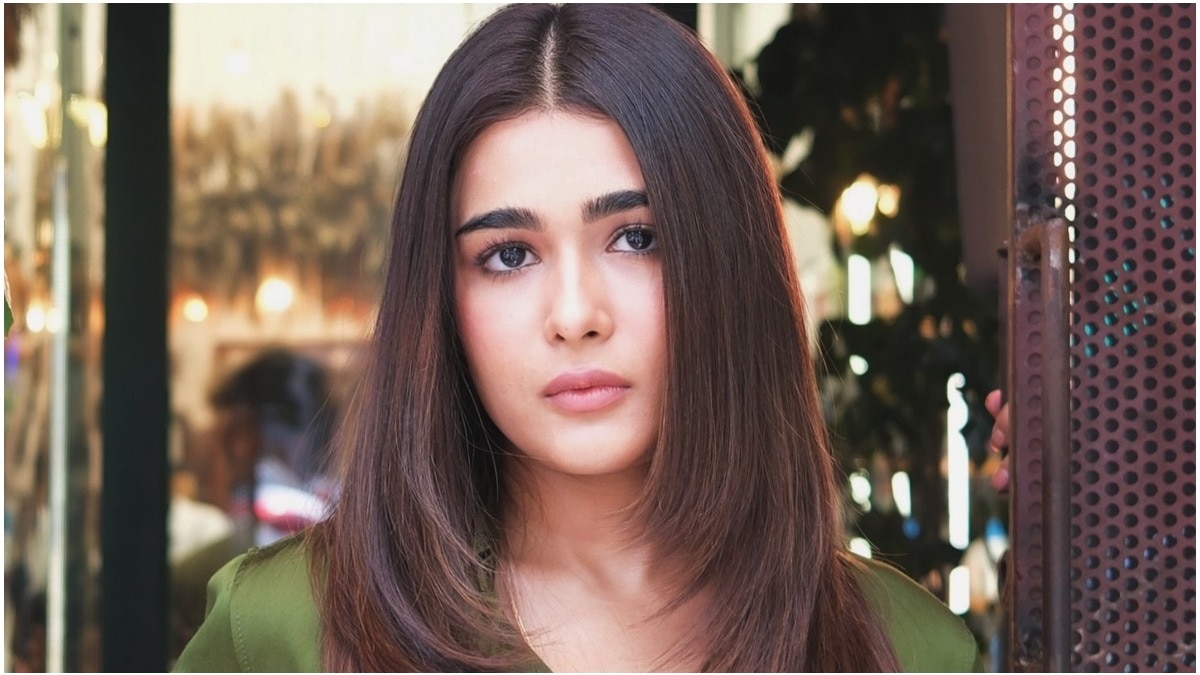
Bollywood actor Shalini Pandey has strongly reacted to a viral AI-generated deepfake video circulating on social media. The actress clarified that the footage is entirely fabricated and urged fans to remain vigilant against digital manipulation.
- Shalini Pandey addresses a viral AI-generated deepfake video targeting her.
- The actor explicitly stated the video is "completely fabricated" and not her.
- The incident highlights the rising threat of unauthorized AI likeness usage in Bollywood.
Bollywood actor Shalini Pandey, best known for her breakout role in the blockbuster film Arjun Reddy, has broken her silence regarding a highly controversial video circulating on social media platforms. The actor took to her official social media handles to categorically deny her involvement in the video, revealing that it is a sophisticated AI-generated deepfake.
In her public statement, Pandey expressed her shock and dismay over the ease with which digital technology can be weaponized to tarnish an individual's reputation. "Completely fabricated, not me," she wrote, warning her followers not to fall prey to such malicious online manipulations. The incident has once again ignited a fierce debate surrounding the ethical boundaries of generative artificial intelligence in the entertainment industry.
The Growing Threat of Deepfakes in Indian Cinema
This is not an isolated incident in Indian cinema. Over the past year, several high-profile celebrities, including Rashmika Mandanna, Katrina Kaif, and Alia Bhatt, have fallen victim to unauthorized AI deepfakes. The rapid advancement of deep-learning algorithms has made it incredibly simple for bad actors to superimpose celebrities' faces onto explicit or misleading footage, creating highly convincing but entirely fake media.
Why This Matters
A detailed BozokMedia analysis shows that the proliferation of deepfakes poses a systemic risk not just to personal reputations, but to the entire creative economy. As AI tools become more accessible, the lack of stringent regulatory frameworks in India allows malicious actors to operate with near impunity. This case highlights the urgent need for robust digital watermarking standards and stricter cyber laws to protect intellectual property and personal dignity.
"The weaponization of AI to create non-consensual deepfakes is an existential threat to public trust. Tech platforms must implement proactive detection tools rather than reacting after the damage is done." — Cyber Security Analyst, BozokMedia.
| Feature | Authentic Video | AI Deepfake Video |
|---|---|---|
| Source | Captured directly by camera sensors | Generated using neural networks (GANs) |
| Metadata | Contains genuine camera and time tags | Often stripped or altered metadata |
| Visual Anomalies | Natural lighting, shadows, and eye-blinking | Unnatural blinking, blurring around face edges |
Frequently Asked Questions
Q1: What was Shalini Pandey's reaction to the video?
A1: Shalini Pandey explicitly stated that the viral video is completely fabricated and does not feature her, urging fans to be cautious of AI-generated content.
Q2: How can viewers spot a deepfake video?
A2: Viewers can look for unnatural eye blinking, inconsistent lighting, unusual shadows around the face, and audio-to-video sync issues.