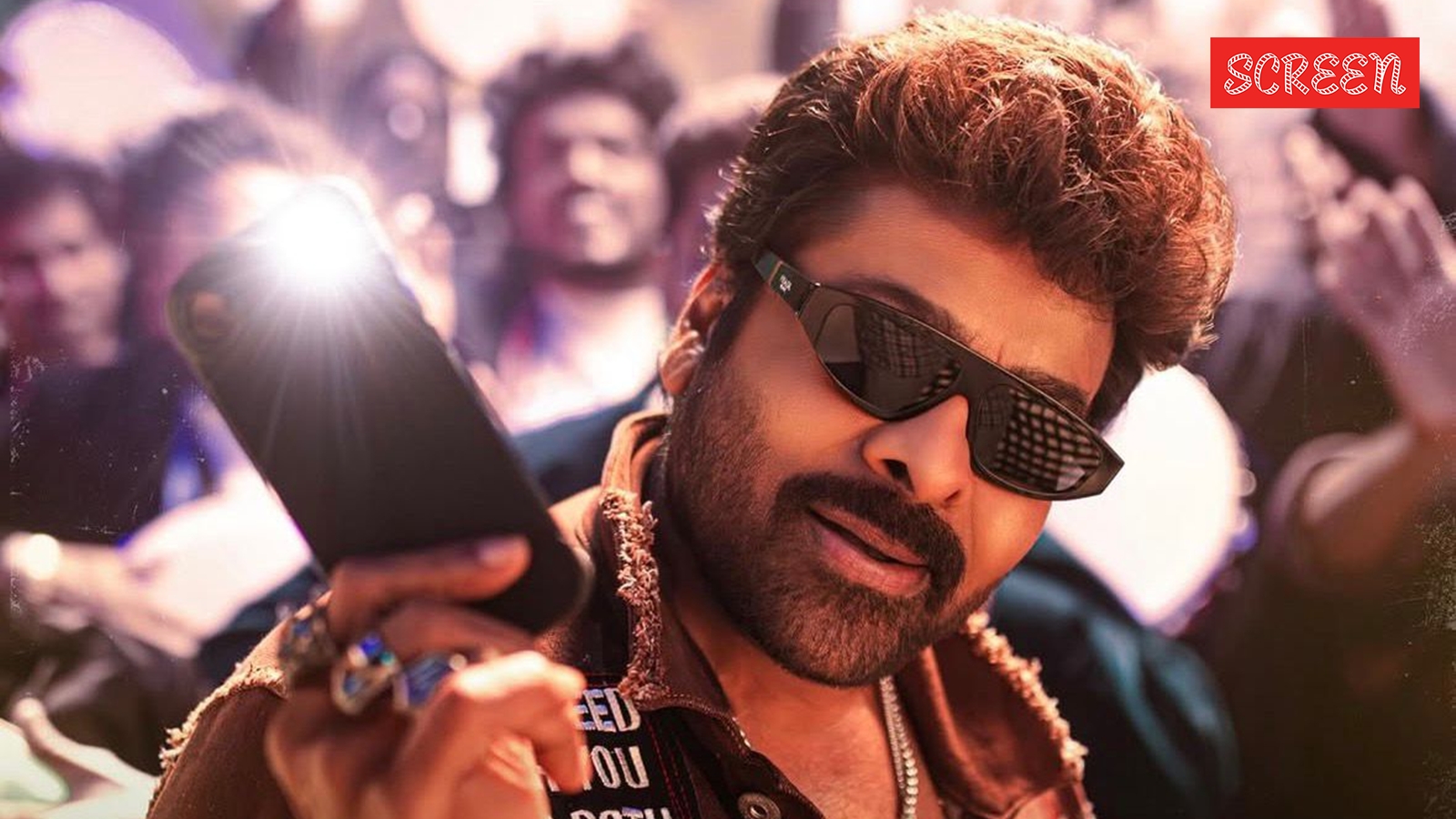
Megastar Chiranjeevi opens up about the deep pain and perceived bias he encountered during the 1988 National Film Awards in Delhi, where South Indian cinema legends were conspicuously absent.
- Chiranjeevi received the Nargis Dutt Award for 'Rudraveena' in 1988.
- The award ceremony venue exclusively featured Hindi cinema legends, ignoring South Indian icons.
- The actor viewed this as a reflection of the national establishment's bias toward 'regional' cinema.
- The current success of Pan-Indian films like RRR and Baahubali has finally dismantled these barriers.
In a poignant recollection, Megastar Chiranjeevi revealed that one of the proudest moments of his career—winning a National Award in 1988—was marred by a feeling of profound humiliation. While he traveled to Delhi to be honored for his work in 'Rudraveena', the experience left him with a scar that lasted for over three decades.
The heartbreak stemmed from a simple yet powerful observation. As he entered the auditorium for the ceremony, the walls were adorned with the portraits of cinematic legends. However, these portraits were almost exclusively reserved for Hindi cinema icons such as Prithviraj Kapoor, Raj Kapoor, and Dilip Kumar. The visual narrative of the hall suggested that the history of Indian cinema was synonymous with the history of Bollywood.
Chiranjeevi looked for the faces that had defined cinema for millions in the South but found a void. Legends like NT Rama Rao, Dr. Rajkumar, Sivaji Ganesan, Akkineni Nageswara Rao, and Savitri—individuals who were viewed as 'demigods' in their respective states—were entirely missing from the walls of the national venue.
Why This Matters
BozokMedia analysis shows that this incident highlights the historical systemic marginalization of non-Hindi film industries. For decades, the 'national' identity of cinema was curated through a North-centric lens, relegating powerhouse industries from the South to the status of 'regional' entities. This not only erased their contribution to the national fabric but also diminished their artistic prestige on a federal stage.
"The projection of only Hindi cinema as 'Indian cinema' was a dismissal of the immense contributions of other linguistic industries."
The film 'Rudraveena', directed by K. Balachander, was a masterpiece that won the Nargis Dutt Award for promoting national unity. The irony, as Chiranjeevi noted, was that while his film was being honored for unity, the venue itself reflected a deep cultural divide and a lack of inclusive recognition.
Fast forward to the current era, and the power dynamics have shifted. The global phenomenon of S.S. Rajamouli, the Oscar-winning success of 'RRR', and the box-office dominance of 'KGF' and 'Pushpa' have rewritten the rules. The distinction between 'regional' and 'national' has blurred, as South Indian cinema now leads the vanguard of Indian storytelling on the world stage.
Frequently Asked Questions
Q1: Which film won Chiranjeevi the National Award in 1988?
A: Chiranjeevi received the Nargis Dutt Award for the film 'Rudraveena'.
Q2: Which South Indian actors did Chiranjeevi expect to see honored at the venue?
A: He expected to see legends such as NT Rama Rao, Dr. Rajkumar, Sivaji Ganesan, and Savitri.