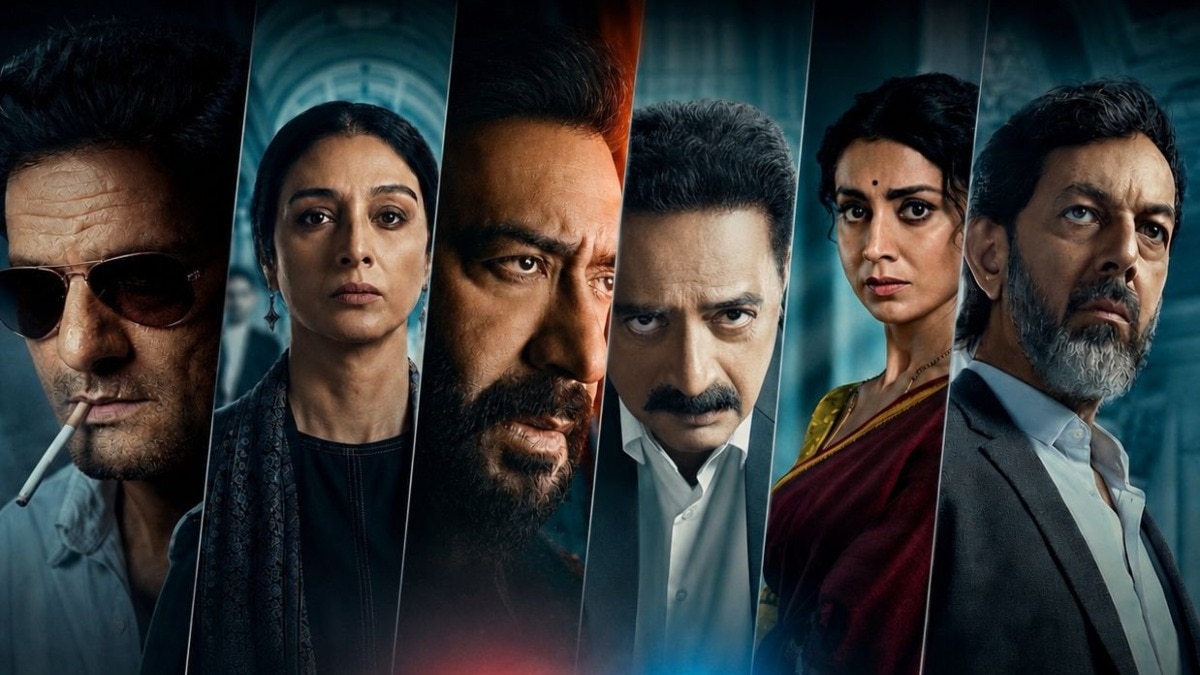
Despite a powerhouse cast and a bold psychological premise, Yash's 'Toxic' struggles under the weight of frantic editing and an overstuffed narrative. A detailed autopsy of why the film fails to connect with its audience.
- The film suffers from an over-compressed narrative, rushing critical character arcs into the first 30 minutes.
- Despite the pedigree of editor Ujwal Kulkarni, the pacing feels chaotic and disconnected.
- The movie attempts to blend elements of 'KGF', 'Animal', and 'Casino', resulting in an identity crisis.
The anticipation for Yash and director Geetu Mohandas' collaboration was palpable. On paper, Toxic: A Fairytale for Grown-ups promised a sophisticated psychological gangster drama set in Portuguese-era Goa. However, the final product feels less like a curated cinematic experience and more like a victim of its own ambition, effectively "murdered" on the editing table.
The core issue lies not in the lack of content, but in the distribution of it. The film attempts to be everything at once: the gritty rise of a gangster akin to KGF, the destructive vengeance of Animal, and the tragic loneliness of Casino. While these influences are evident, the film fails to synthesize them into a coherent voice, instead feeling like a fragmented collage of high-concept tropes.
Why This Matters
BozokMedia analysis shows that in the modern era of "event cinema," there is a dangerous trend of prioritizing spectacle and rapid-fire plot beats over emotional resonance. When a film rushes its character establishment, the stakes vanish. In Toxic, the bond between Raya and Ganga (played by Nayanthara) is reduced to a few childhood snippets, leaving the audience emotionally detached from their eventual tragedy.
The eloquence of cinema is achieved in the editing room, but when editing becomes an act of compression rather than curation, the soul of the story is lost.
The narrative pacing is particularly jarring. Within the first 30 minutes, the film covers the protagonist's rise, his backstory, and the introduction of multiple warring factions. By the interval, the plot has moved so quickly that the deaths of several major female characters—including those played by Tara Sutaria and Huma Qureshi—feel like checkboxes in a script rather than emotional milestones.
This "keema" approach to storytelling—where plot points are minced and squeezed into a tight timeframe—leaves no room for the world to breathe. The audience is left questioning the motivations of secondary characters like Victor and Nicholas, as the film never slows down long enough to explain who belongs to which gang or why the conflict exists.
| Element | The Vision (On Paper) | The Execution (On Screen) |
|---|---|---|
| Pacing | Slow-burn psychological study | Frantic, rushed narrative |
| Character Depth | Complex emotional arcs | Surface-level introductions |
| Atmosphere | Portuguese-era Goa authenticity | Chaos-driven plot progression |
Frequently Asked Questions
Q1: Who directed the movie Toxic?
The film was directed by Geetu Mohandas, known for her distinct storytelling style.
Q2: Why is the editing criticized in the film?
Critics argue that too much plot was crammed into the first act, preventing the audience from forming emotional bonds with the characters.