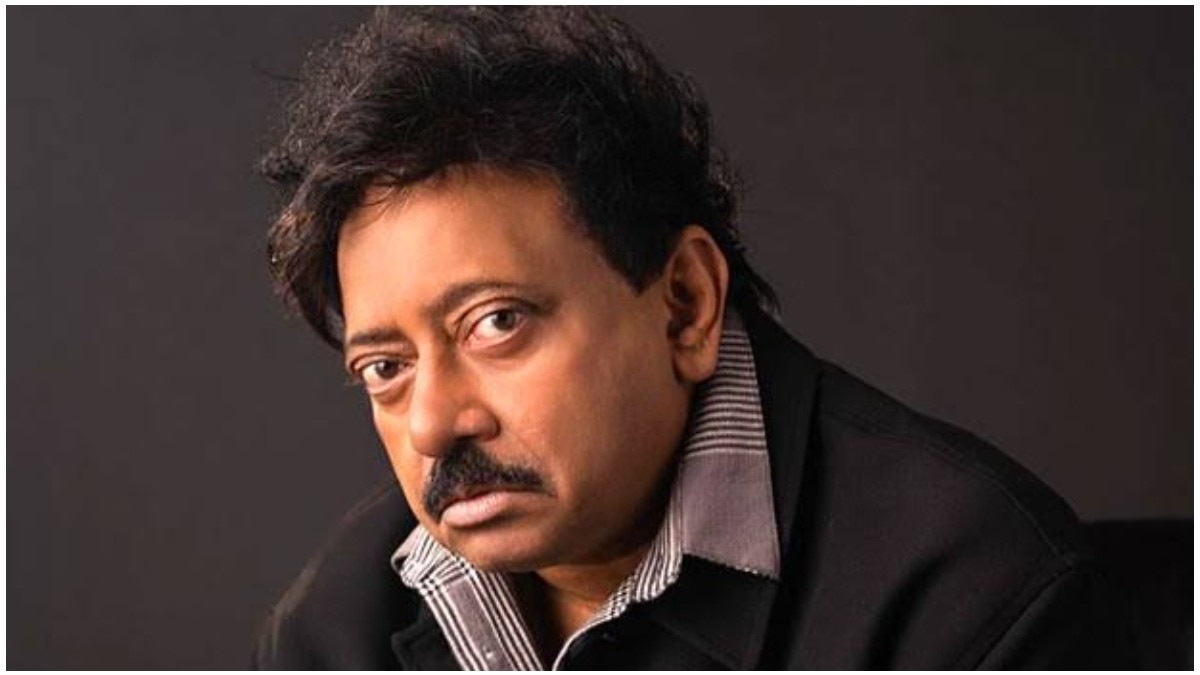
Filmmaker Ram Gopal Varma claims that Artificial Intelligence will dismantle the traditional film industry by 2026, shifting the focus from production scarcity to creative taste.
- A 'production swarm' of AI agents could be available by December 2026.
- Logistical bottlenecks, location constraints, and 'development hell' will be eliminated.
- The differentiator in cinema will shift from the ability to create images to the 'scarcity of taste'.
Renowned filmmaker Ram Gopal Varma (RGV) has sparked a massive debate with his bold prediction that Artificial Intelligence (AI) will fundamentally reshape the writing, production, and exhibition of cinema. While he believes the future of 'film' as an art form is bright, he argues that the 'film industry' as a corporate and logistical machine is headed for extinction.
In a detailed post on X, RGV predicted that by December 2026, a 'production swarm' involving thousands of AI agents will be generally available. This system will go far beyond simple scriptwriting; these agents will generate multiple competing versions of a story, evaluating them based on necessity, tension, and character truth to ensure only the strongest narratives survive.
Why This Matters
BozokMedia analysis shows that this shift represents a move toward the total democratization of high-end cinema. By removing the financial and logistical barriers to creating spectacular imagery, the power shifts from those who own the resources (studios) to those who possess the vision (creatives). The 'barrier to entry' is no longer money, but intellectual and aesthetic taste.
Varma further explained that AI will end the dreaded 'development hell'—the period where projects languish in planning. Instead of a pitch deck requesting permission to exist, a filmmaker can present a finished work. Moreover, post-production will evolve from a sequential process (edit, then grade, then mix) into a simultaneous loop, drastically reducing turnaround times.
"Scarcity of images will end. Scarcity of taste will not." - Ram Gopal Varma
The filmmaker also envisioned a future where films remain flexible even after completion. He suggests that directors could adjust the pace or emphasis of a film for different audiences without altering the core story, effectively creating a 'directed world' that evolves after export.
| Feature | Traditional Film Industry | AI-Driven Cinema (RGV Vision) |
|---|---|---|
| Production Cycle | Years (Development Hell) | Rapid/Instantaneous |
| Budget Impact | High (Sets, Locations, Crew) | Low (Digital Generation) |
| Post-Production | Sequential Departments | Simultaneous Loop |
Frequently Asked Questions
1. Does this mean human directors will become obsolete?
No, RGV argues that while AI handles the 'how', the human director still controls the 'what' and the 'why'—the creative taste.
2. What is an AI 'production swarm'?
It is a theoretical network of specialized AI agents working in tandem to handle every stage of filmmaking, from drafting scripts to final visual rendering.