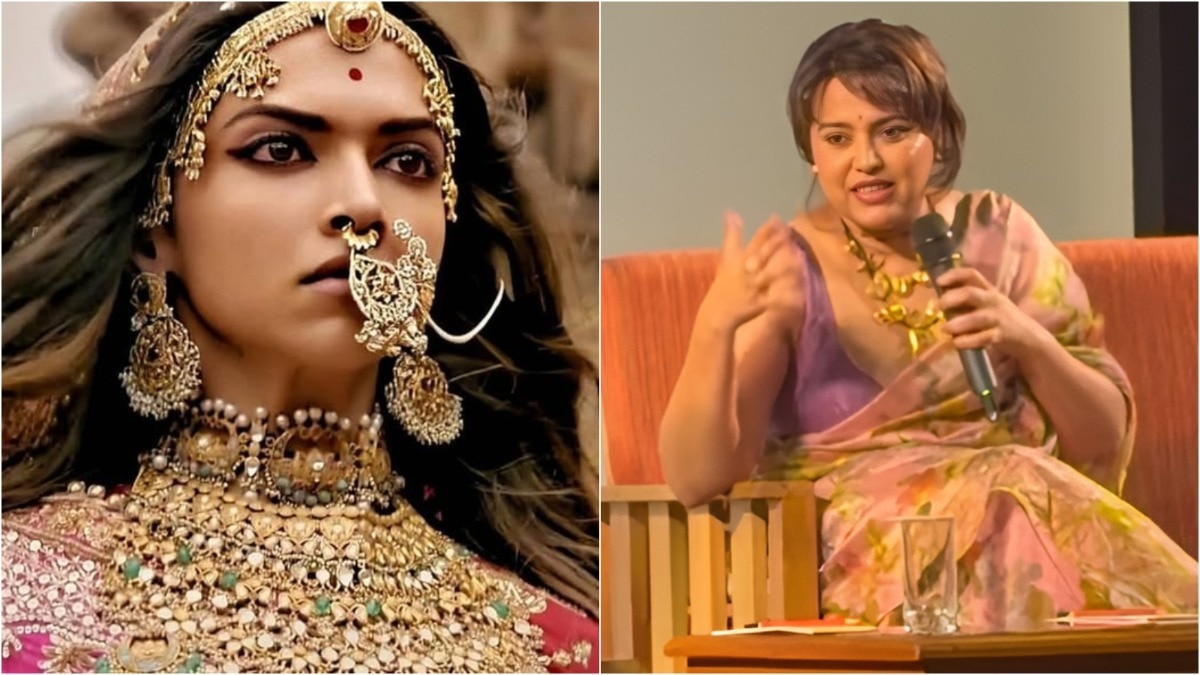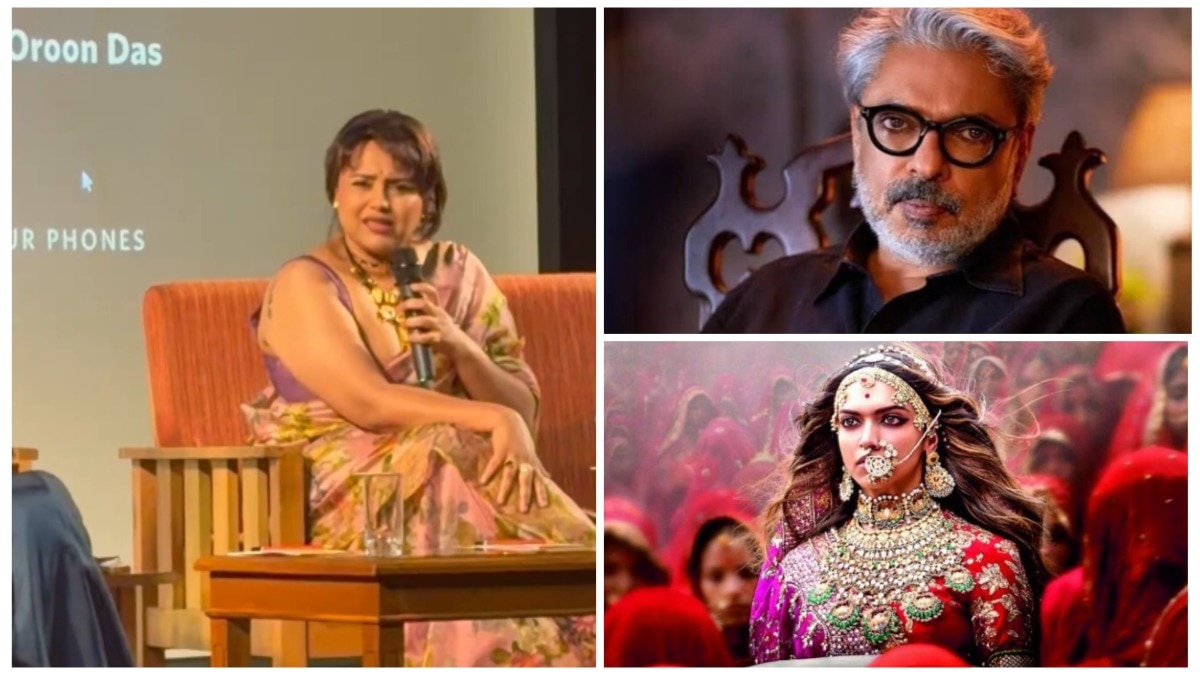
Actor Swara Bhasker has revisited her controversial open letter to filmmaker Sanjay Leela Bhansali, questioning the glorification of jauhar and its impact on rape survivors in India.
- Swara Bhasker criticized the portrayal of sexual violence and 'honor' in the film Padmaavat.
- The actor expressed concern that glorifying mass suicide (jauhar) sends a dangerous message to rape survivors.
- She specifically condemned a close-up shot of a pregnant woman, questioning the logic of fetal death to avoid future violence.
Actor Swara Bhasker recently revisited the intense discourse surrounding her 2017 open letter addressed to director Sanjay Leela Bhansali. Speaking at a panel discussion titled 'Woman Life Freedom' at the India International Centre in New Delhi, the 38-year-old actor detailed the emotional and ethical turmoil that led her to challenge the cinematic treatment of the film Padmaavat.
Bhasker argued that the film's narrative regarding jauhar—the practice of mass self-immolation to avoid capture—posed a troubling question for women in modern India. In a society already grappling with a "rape epidemic," she feared that such storytelling suggests a woman's honor is tied to her death rather than her survival. She questioned whether the film inadvertently tells survivors that they do not deserve to live if they do not choose death over dishonor.
Why This Matters
BozokMedia analysis shows that this debate transcends cinema, touching upon the sociopolitical construction of 'honor' in South Asian cultures. By questioning the romanticization of self-destruction, Bhasker is challenging the deeply ingrained patriarchal notion that a woman's value is intrinsic to her chastity. This critique highlights the responsibility of filmmakers when depicting historical traumas that mirror contemporary societal wounds.
One of the most visceral reactions Bhasker recalled was toward a specific close-up shot of a pregnant woman's belly. She expressed outrage at the implication that a fetus—potentially female—should not be born simply because of the risk of future sexual violence by a ruler. She noted that she spent five days reflecting on her anger before publishing her letter to ensure her critique was reasoned rather than impulsive.
The intersection of historical fiction and contemporary trauma requires a nuanced approach to avoid re-victimizing survivors through the glorification of tragedy.
Bhasker also addressed the media's role in distorting her message. She recalled how a nuanced point about women being more than their anatomy was reduced to a sensationalist headline: "I felt like a vagina." She lamented that in India, many consume news via headlines alone, leading to a complete misinterpretation of her feminist critique.
Frequently Asked Questions
Q1: Why did Swara Bhasker write the letter to Sanjay Leela Bhansali?
She was concerned about how the film's portrayal of sexual violence and honor could negatively impact rape survivors in India.
Q2: What was her specific objection to the pregnancy scene?
She found it problematic that the film suggested a female fetus shouldn't be born to avoid potential rape by a ruler.