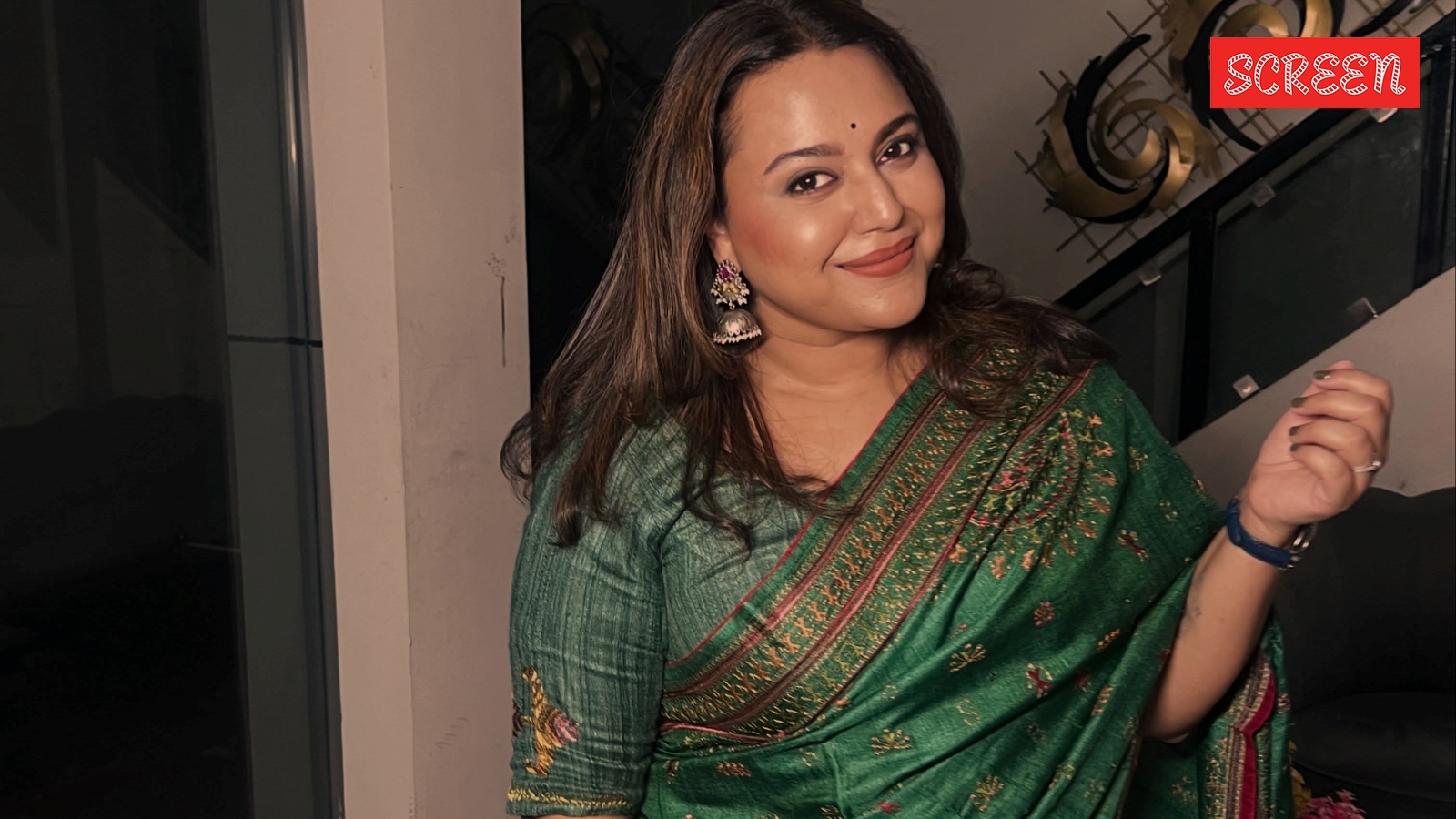
Actor Swara Bhasker revisited the intense controversy surrounding her 2018 open letter to Sanjay Leela Bhansali, questioning the glorification of collective self-immolation in the film 'Padmaavat'.
- Swara Bhasker questioned the message sent to rape survivors via the depiction of Jauhar.
- The actor criticized the specific use of a close-up shot of a pregnant woman during the mass suicide scene.
- She highlighted how a single provocative phrase in her letter overshadowed her broader feminist argument.
Actor Swara Bhasker has once again sparked a conversation regarding her critique of the 2018 film 'Padmaavat'. During a recent event at the India International Centre (IIC) in Delhi, Bhasker reflected on the emotional and intellectual distress she felt while watching the depiction of 'jauhar'—the medieval practice of collective mass self-immolation by women to avoid capture by invading forces.
Bhasker detailed her reaction to the film's climax, where hundreds of women choose death over capture. She expressed concern over how such sequences impact survivors of sexual violence in a contemporary society grappling with a 'rape epidemic.' She argued that by glorifying this act as the ultimate form of honor, the film implicitly suggests that survivors who chose to live are somehow less brave or honorable.
One particular shot left the actor visibly shaken. She recalled seeing a close-up of a pregnant woman's belly during the jauhar sequence, prompting her to exclaim "chiii" in the theater. Bhasker questioned the narrative logic that a fetus should be denied life simply because of the potential for future brutality by a ruler.
Why This Matters
BozokMedia analysis shows that this discourse highlights the tension between historical dramatization and modern ethical standards. By challenging a high-profile director like Sanjay Leela Bhansali, Bhasker is pushing for a cinematic language that does not equate a woman's dignity solely with her sexual purity or her willingness to die for 'honor.' This debate is critical in understanding how media shapes the perception of gender-based violence.
"When cinema romanticizes mass tragedy under the guise of tradition, it risks validating the very patriarchal structures that historically marginalized those women."
Contrary to public perception that her reactions are impulsive, Bhasker revealed that she waited five days after watching the film to ensure her response was reflective rather than purely emotional. Her open letter, published by The Wire, argued that a woman's life does not lose value after sexual assault and should not be defined by her body.
However, the actor lamented that the media reduced her complex argument to a single, shocking headline: "I felt like a vagina." She noted that in the age of clickbait, the nuanced discussion about survivors' psychology was lost to a phrase intended to illustrate that women are more than just their anatomy.
The comments have reignited a firestorm on social media. While some support her feminist lens, others argue that 'jauhar' must be understood within the brutal context of medieval warfare, calling her comparison to modern rape survivors a 'false equivalence' and a sign of 'intellectual blindness.'
Frequently Asked Questions
1. Why did Swara Bhasker write an open letter to Sanjay Leela Bhansali?
She wrote the letter to question the glorification of Jauhar and the message it sends regarding women's worth and sexual violence.
2. How did the public react to her views?
The reaction remains deeply polarized, with some praising her for highlighting survivors' trauma and others accusing her of ignoring historical context.