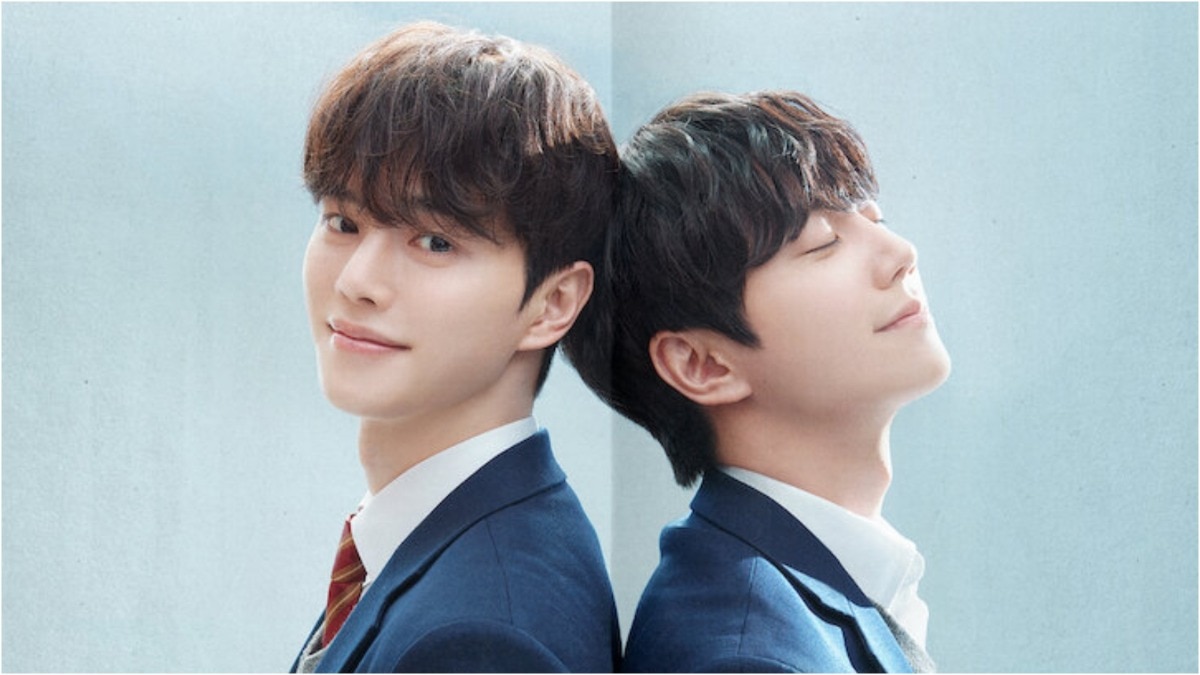
Netflix's 'Four Hands, Two Sonatas' explores the intense rivalry and evolving bond between two gifted pianists. Song Kang and Lee Jun-young anchor this emotionally resonant musical drama with stellar performances.
- Song Kang and Lee Jun-young share an exceptional on-screen chemistry.
- Music serves as a primary narrative tool rather than just background score.
- The series delves deep into the themes of perfectionism versus instinct.
The piano is an unforgiving instrument where a single misplaced note can shatter a performance. 'Four Hands, Two Sonatas', now streaming on Netflix, uses this metaphor to explore the lives of two prodigies at an elite arts school. The drama follows the intersecting paths of Kang Pi-o and Choi Jeong-yo, whose rivalry eventually blossoms into a complex friendship.
Kang Pi-o (played by Song Kang) is the embodiment of technical perfection. Disciplined and somewhat detached, he carries the heavy mantle of expectations set by his grandfather, the legendary conductor Kang Seung-woon (Jung Jin-young). In stark contrast stands Choi Jeong-yo (Lee Jun-young), a musician driven by raw instinct and emotional abandon, despite his challenging financial background.
Why This Matters
BozokMedia analysis shows that this series transcends the typical 'competitive school' trope by centering the conflict within the music itself. It isn't just about who plays better, but how they perceive the world through sound—one seeking control, the other seeking liberation.
The brilliance of the series lies in how it allows the characters' contradictions to breathe through their musical performances.
Song Kang continues his impressive streak of choosing unconventional, layered roles. His portrayal of Pi-o is masterfully restrained; he conveys more through silence and subtle facial expressions than through dialogue. Lee Jun-young, on the other hand, brings a much-needed physicality and grit to Jeong-yo, making his connection to the piano feel visceral and unstudied.
| Feature | Kang Pi-o (Song Kang) | Choi Jeong-yo (Lee Jun-young) |
|---|---|---|
| Playing Style | Technical, Disciplined, Controlled | Instinctive, Emotional, Free |
| Motivation | Family Legacy & Perfection | Self-Expression & Survival |
| Background | Privileged/High Expectations | Struggling/Underdog |
The Sonic Identity
The classical score is the heartbeat of the series. The use of chamber music and solo piano pieces creates an intimate atmosphere that elevates the storytelling. Music becomes a language for the unspoken—a tempo shift signals anxiety, while a shared duet symbolizes a bridge built between two disparate worlds.
Critical Perspective
While the series occasionally falls into the predictable rhythms of the K-drama genre—such as the 'prodigy under pressure' trope—and suffers from some pacing issues, its commitment to character depth is commendable. It avoids the trap of excessive melodrama, opting instead for a measured, somber exploration of talent and its cost.
Frequently Asked Questions
1. Is 'Four Hands, Two Sonatas' a romance-heavy drama?
No, while there are supporting romantic elements, the core focus remains on the musical rivalry and the bromance between the two leads.
2. Where can I watch this series?
You can stream 'Four Hands, Two Sonatas' exclusively on Netflix.