Awarded the Golden Lion for Lifetime Achievement at the Venice Film Festival, Hollywood icon George Clooney delivered a powerful speech criticizing the current state of American leadership as a 'kakistocracy.'
- George Clooney honored with the Golden Lion for Lifetime Achievement at the Venice Film Festival.
- He described the current American political climate as a 'kakistocracy' (rule by the least qualified).
- Clooney emphasized that stories and empathy are essential tools against authoritarianism.
- He highlighted the vital role of journalists and artists in challenging power.
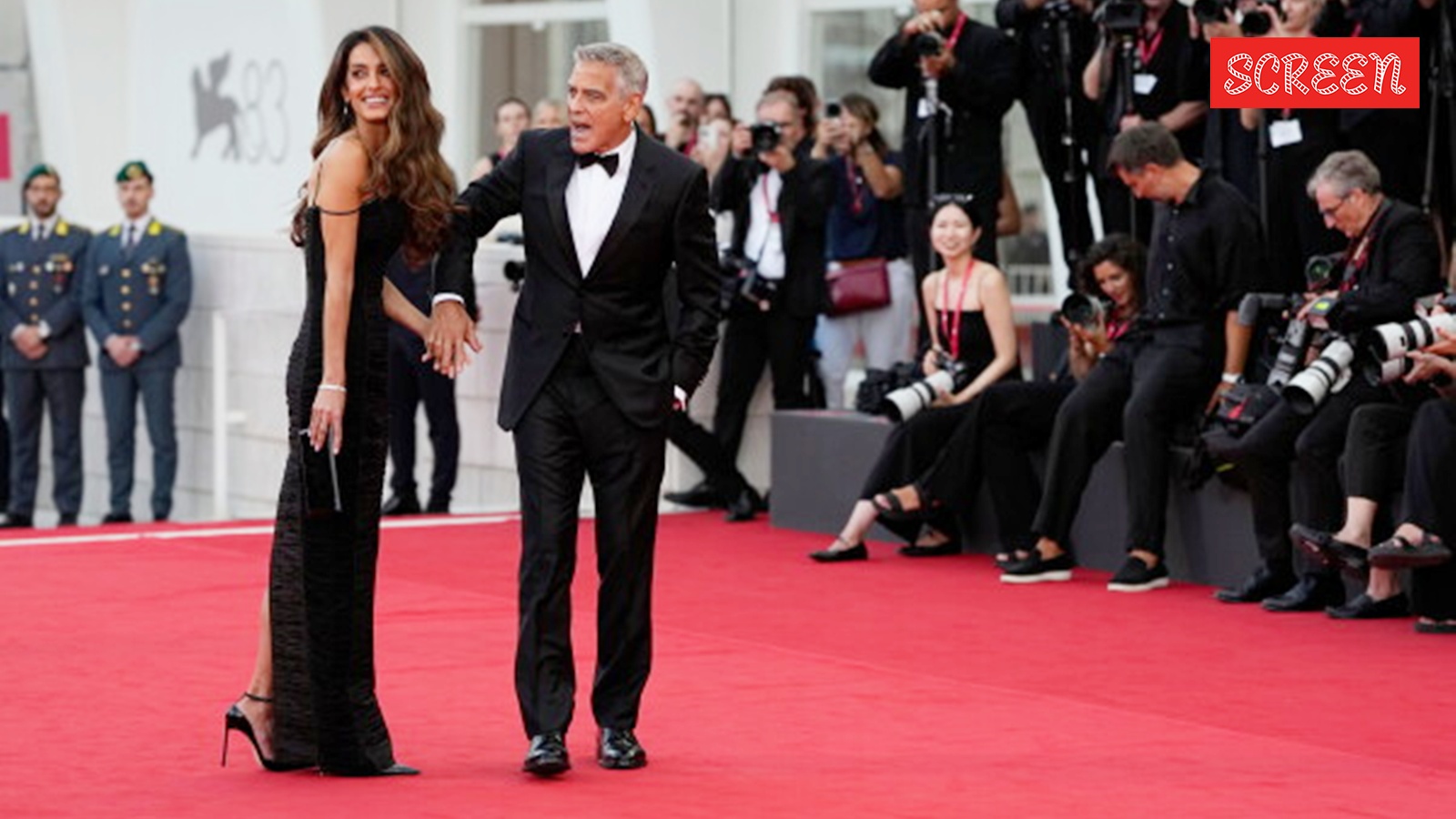
Hollywood heavyweight George Clooney turned a moment of personal triumph into a profound socio-political statement at the opening ceremony of the Venice Film Festival. While attending the prestigious gala alongside his wife, Amal Clooney, and close friend Laura Dern, the actor was presented with the Golden Lion for Lifetime Achievement. However, rather than a standard acceptance speech, Clooney delivered a stirring critique of modern governance and the power of human connection.
Addressing the global audience, the 65-year-old actor did not shy away from criticizing the political landscape. Using the term "kakistocracy"—a government run by the least qualified or most unscrupulous citizens—Clooney remarked, "I think maybe we have a kakistocracy right now, but we’ll get through it." His comments struck a chord, reflecting growing global anxieties regarding political competence and institutional integrity.
Why This Matters
BozokMedia analysis shows that Clooney’s remarks transcend typical Hollywood celebrity commentary. By leveraging his massive global platform to address political decay, he bridges the gap between entertainment and civic discourse, highlighting how cultural icons are increasingly stepping into the role of moral commentators in a polarized era.
"Stories are always dangerous to people who peddle in fear; filmmakers and journalists are the ones who insist on empathy."
Clooney’s speech delved deep into the defensive nature of authoritarian regimes. He noted that the first targets of those in power are often the truth-seekers: journalists who ask difficult questions and artists who refuse to provide easy, propagandistic answers. He argued that while movies may not solve inflation or stop wars directly, they perform the "remarkable" task of reminding us that a stranger is never truly a stranger, fostering the empathy required to sustain a civilized society.
Historical Background
Clooney’s relationship with the Venice Film Festival spans nearly three decades. His journey at the festival began in 1998 with Steven Soderbergh’s Out of Sight. Since then, he has been a mainstay of the festival, bringing critically acclaimed works such as Michael Clayton, Burn After Reading, and his own directorial efforts like Good Night, and Good Luck, cementing his status as both a master actor and a significant cinematic voice.
Frequently Asked Questions
1. What award did George Clooney receive at Venice?
He was honored with the Golden Lion for Lifetime Achievement.
2. What did Clooney mean by 'kakistocracy'?
He used the term to describe a government run by its least qualified or worst citizens, specifically referencing the current US political climate.