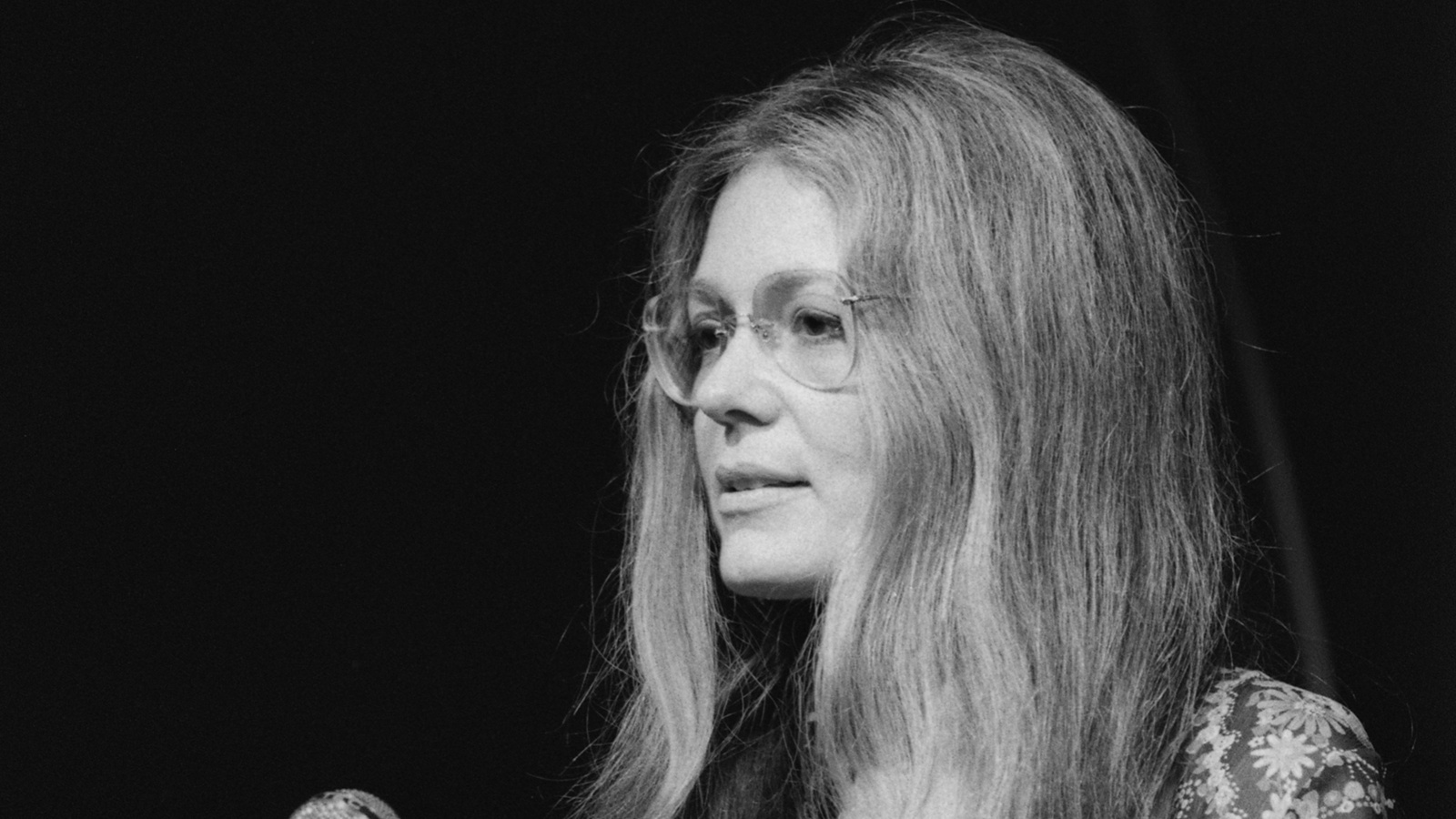
A deep dive into how Gloria Steinem's time in India and her interactions with Gandhian activists provided the blueprint for her global feminist movement.
- Gloria Steinem spent two years in India in the 1950s, learning grassroots organizing.
- The concept of 'Talking Circles' observed in Indian villages became a cornerstone of American feminist outreach.
- Kamaladevi Chattopadhyay challenged Steinem to look beyond 'Great Man Theory' to find true revolutionary power in women.
The evolution of second-wave feminism in the United States owes a significant, yet often overlooked, debt to the landscapes and social structures of India. Gloria Steinem, one of the most iconic figures of the movement, found her most enduring lessons not in Western lecture halls, but in the dusty villages and third-class railway carriages of the Indian subcontinent.
In 1976, during a pivotal meeting in New Delhi, Steinem and economist Devaki Jain sought guidance from Kamaladevi Chattopadhyay, a legendary freedom fighter and feminist icon. When Steinem inquired about utilizing Gandhian non-violent tactics, Chattopadhyay provided a profound correction. She pointed out that Steinem was falling for the 'Great Man Theory'—the idea that history is driven by exceptional male figures—while ignoring that the very tactics Steinem admired were forged by ordinary women in mass movements.
Why This Matters
BozokMedia analysis shows that Steinem's ability to bridge the gap between grassroots Indian social structures and American political activism is what allowed her to build a sustainable, community-based movement rather than just a top-down political lobby.
Steinem's transformation began during her initial stay in India in 1956. Rejecting the 'memsahib' lifestyle of private cars and drivers, she opted for the grueling but eye-opening experience of third-class railway travel. She described these carriages as 'dormitories on wheels,' where women created spontaneous, safe spaces to share meals, nurse children, and discuss life's struggles—a precursor to the feminist 'safe spaces' later established in the West.
"If you want people to listen to you, you have to listen to them."
Her most profound realization occurred in the villages of Tamil Nadu. Observing the evening gatherings lit by kerosene lamps, she witnessed the 'magic' of consensus-based discussion. These Talking Circles, where everyone had a voice and listening was as important as speaking, became the organizational heartbeat of her later work in America, from women's shelters to campus centers.
By integrating the Gandhian principle of walking among the people—often without possessions—Steinem learned that true leadership is about presence and listening, a lesson that transformed her from a journalist into a global itinerant organizer.
Frequently Asked Questions
1. What was the 'Great Man Theory' mentioned in the article?
It is a 19th-century concept suggesting that history is shaped primarily by the actions of highly influential individual men, often overlooking collective social movements.
2. How did Indian railway travel influence Steinem?
Traveling in third-class carriages allowed Steinem to witness how women organically formed support networks and shared communal spaces, which she later applied to feminist organizing.