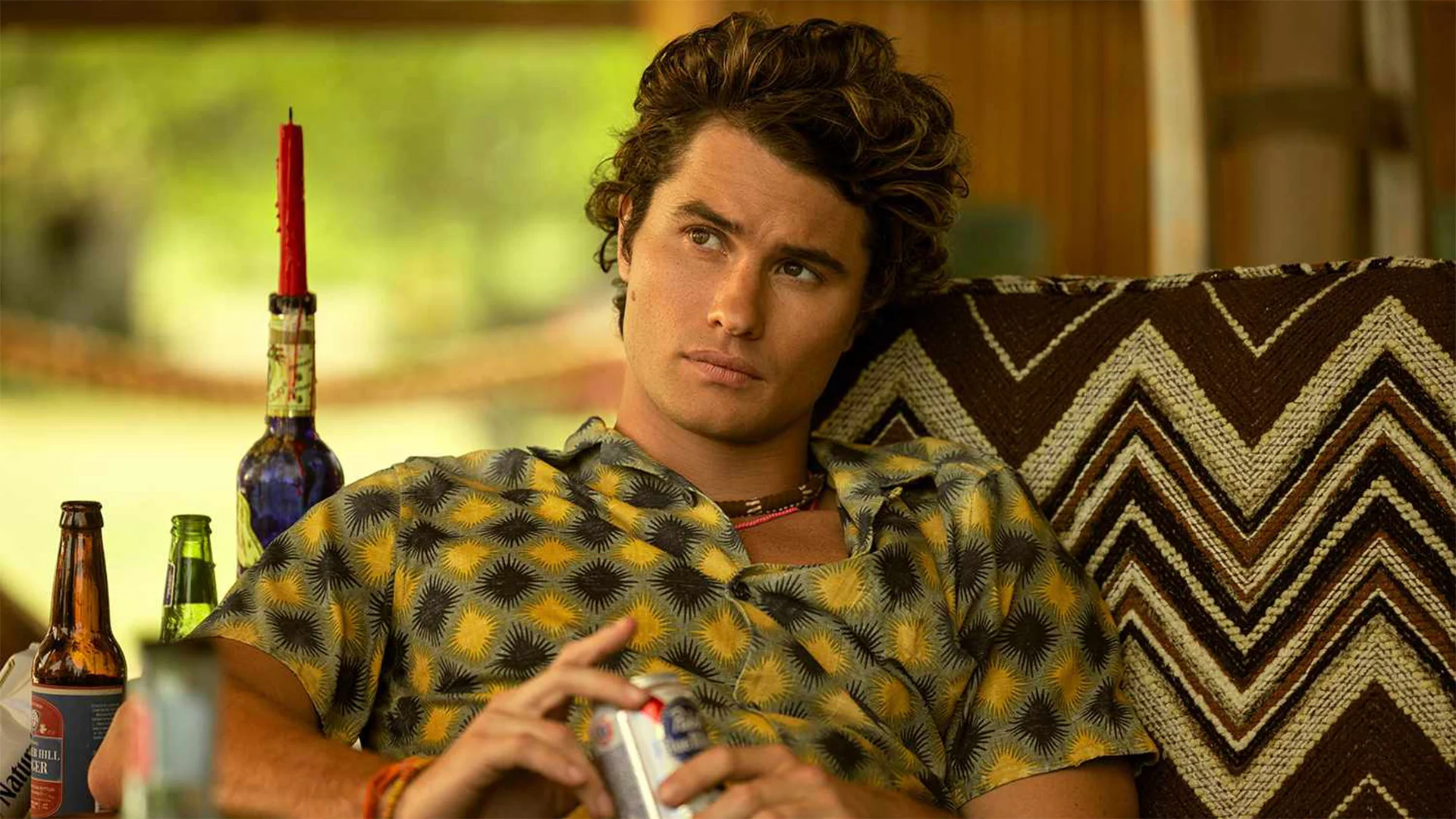
As Chase Stokes transitions from his iconic role in 'Outer Banks,' his journey offers a profound blueprint for entrepreneurs navigating reinvention and brand evolution.
- Identify which core values are worth preserving during a rebrand.
- Master the art of strategic stillness to boost productivity.
- Distinguish between products people preserve and products people live with.
- Embrace identity shifts to unlock new professional dimensions.
After seven transformative years portraying the beloved character John B. in Netflix's hit series 'Outer Banks,' actor Chase Stokes is stepping into a new chapter. No longer just an actor, Stokes is evolving into a director, producer, and developer—a transition that mirrors the high-stakes reinvention faced by modern entrepreneurs.
While brands often obsess over the 'new,' they frequently neglect the 'tried and true.' Stokes’ journey provides a masterclass in how to navigate the complex territory of leaving a successful identity behind to build something more expansive.
Why This Matters
BozokMedia analysis shows that the most successful pivots are not characterized by total destruction of the old, but by the strategic integration of lessons learned. For founders, the 'Stokes Method' of reinvention highlights the psychological and operational nuances of scaling beyond a single niche.
True reinvention isn't about erasing who you were, but about deciding which parts of your legacy deserve to travel with you into the future.
The Entrepreneurial Playbook: 4 Key Lessons
1. Preservation vs. Utility: Stokes shared his experience rebuilding a 1971 Ford Bronco—a vehicle tied to deep family roots. He eventually sold it, not because it failed, but because he had extracted all the joy it could offer. Entrepreneurs must ask: Are you building something to be preserved as a relic, or something designed to be integrated into the user's lifestyle?
2. The Power of Strategic Stillness: In an era of constant digital noise, Stokes emphasizes his 'reset' days where he avoids technology for the first hour of the morning. For leaders, this capacity to sit with silence is not a waste of time; it is a productivity multiplier that allows for clearer decision-making.
3. Evaluating the Core: Before rebranding, one must audit what actually worked. Stokes’ transition involves figuring out which parts of his identity belong in his next act. Similarly, founders must identify the 'non-negotiables' of their brand before attempting a pivot.
4. Embracing Multi-Dimensionality: Stokes is moving from being a 'character' to a 'creator.' This shift from a single-revenue stream (acting) to a multi-faceted career (producing/directing) is the ultimate goal for any scalable business model.
Historical Context
Historically, the 'celebrity-to-mogul' pipeline has seen many failures due to over-extension. However, the modern trend of 'portfolio careers'—where individuals manage multiple distinct professional identities—is becoming the gold standard for sustainable success in the creator economy.
Frequently Asked Questions
Question 1: Is Chase Stokes leaving acting entirely?
No, he is expanding his repertoire to include directing and producing, moving beyond his specific role in 'Outer Banks.'
Question 2: How can these lessons apply to a small business?
By focusing on core brand values during a pivot and ensuring that leadership maintains mental clarity through scheduled downtime.