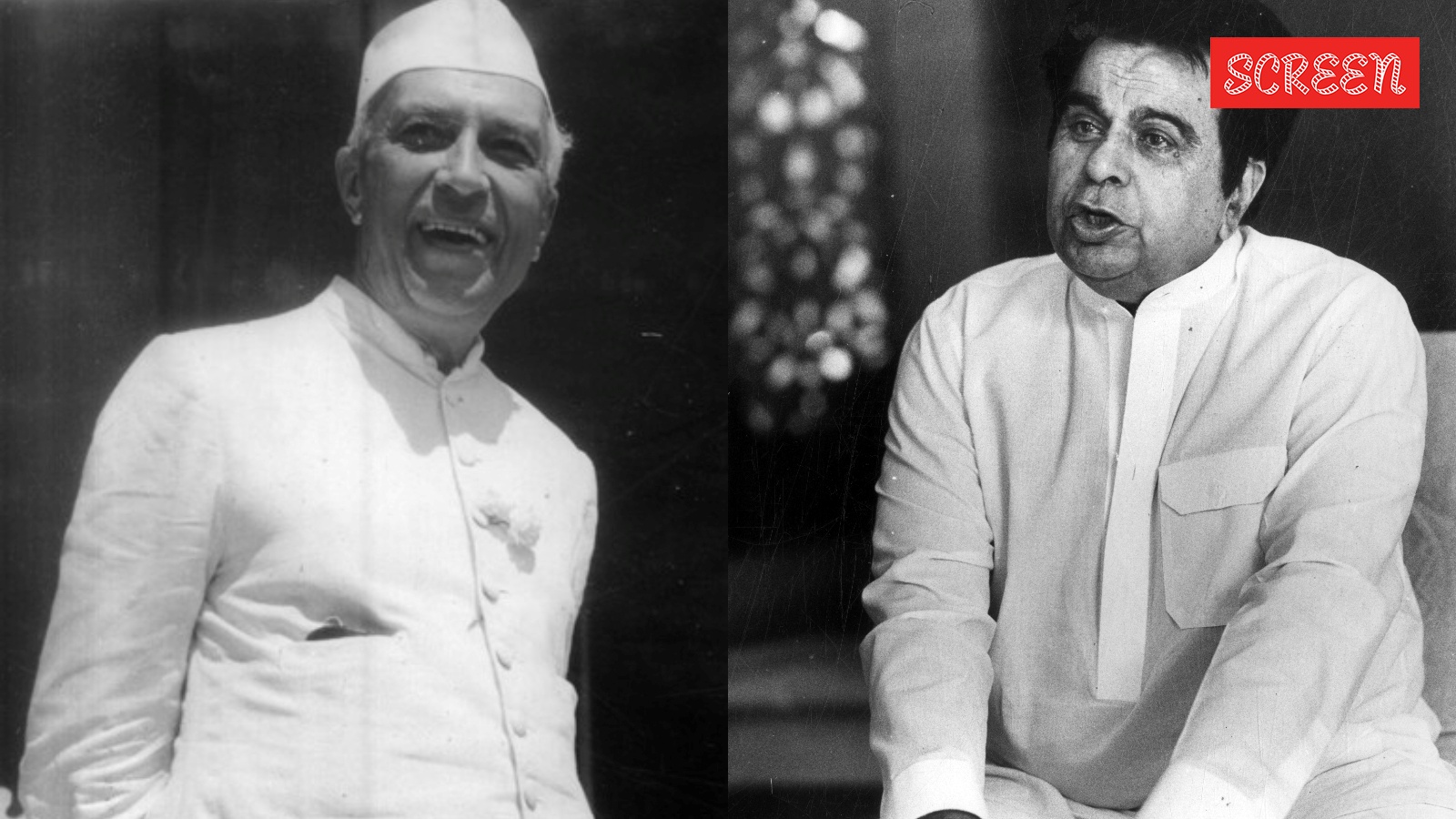
Filmmaker Tigmanshu Dhulia reveals a startling historical incident where the Censor Board blocked Dilip Kumar from saying 'Hey Ram' due to his religion, requiring the intervention of PM Jawaharlal Nehru to resolve the deadlock.
- The Censor Board objected to Dilip Kumar saying 'Hey Ram' in the film Ganga Jamuna because he was a Muslim.
- PM Jawaharlal Nehru personally intervened to clear the film after viewing it.
- Tigmanshu Dhulia highlighted the evolution of censorship from the British era to the present day.
- Historical examples like Balraj Sahni's 'jail-to-set' routine showcase the unique political climate of early Indian cinema.
In a recent discourse on the state of media and the film industry, acclaimed filmmaker Tigmanshu Dhulia shed light on the complex history of censorship in India. He detailed how filmmakers have navigated political boundaries and administrative restrictions, from the subtle defiance during the British Raj to the bureaucratic hurdles of the post-independence era.
One of the most striking revelations was the controversy surrounding the classic film Ganga Jamuna. Dhulia recalled how the Censor Board took a hardline stance against a scene where Dilip Kumar's character utters the phrase 'Hey Ram' during a death scene. Despite the filmmakers arguing that Kumar was portraying a Hindu character named Ganga, the board refused to budge, citing the actor's real-life identity as a Muslim as the reason for the objection.
Why This Matters
BozokMedia analysis shows that this incident reflects the early tensions between artistic representation and identity politics in India. The fact that the issue escalated to the highest office in the land underscores the immense influence of the Censor Board and the high-stakes nature of cinematic narratives during the nation-building phase of the 1950s.
The deadlock was only broken when Prime Minister Jawaharlal Nehru stepped in. After watching the film, Nehru cleared the scene, recognizing the artistic necessity of the dialogue. Interestingly, to avoid accusations of favoritism toward Dilip Kumar, the government reportedly cleared other pending films at the time as well.
The intersection of cinema and state power in early India was a delicate dance of diplomacy and artistic rebellion.
Dhulia also touched upon the era of the freedom struggle, citing films like Kismet (1943). He explained how the song 'Door Hato Ae Duniya Walon' was cleverly perceived by the British as an attack on the Japanese, while the Indian public understood it as a call for independence. This 'cosmopolitan culture' allowed filmmakers to embed patriotic messages under the radar of colonial authorities.
Furthermore, the filmmaker shared the surreal story of Balraj Sahni during the filming of Hulchul. Sahni, an activist with the IPTA, was arrested for his political views. In an unprecedented move, the government allowed him to leave jail every morning to film his role as a jailer and return to his cell every evening, highlighting a starkly different administrative leniency compared to modern times.
Concluding his reflections, Dhulia contrasted these stories with his own experience with Raag Desh (2017). Despite receiving praise and 'hugs' from the Censor Board for his research on the INA trials, the film faced inexplicable delays in release and payment issues, suggesting that while the nature of censorship has changed, the struggle for creative freedom persists.
Frequently Asked Questions
Q1: Why did the Censor Board object to Dilip Kumar saying 'Hey Ram'?
The board argued that since Dilip Kumar was a Muslim in real life, it was inappropriate for him to use a Hindu invocation, regardless of the character he was playing.
Q2: How did PM Nehru resolve the Ganga Jamuna controversy?
Nehru watched the film, approved the scene, and subsequently cleared other pending films to ensure no one claimed Dilip Kumar received special treatment.