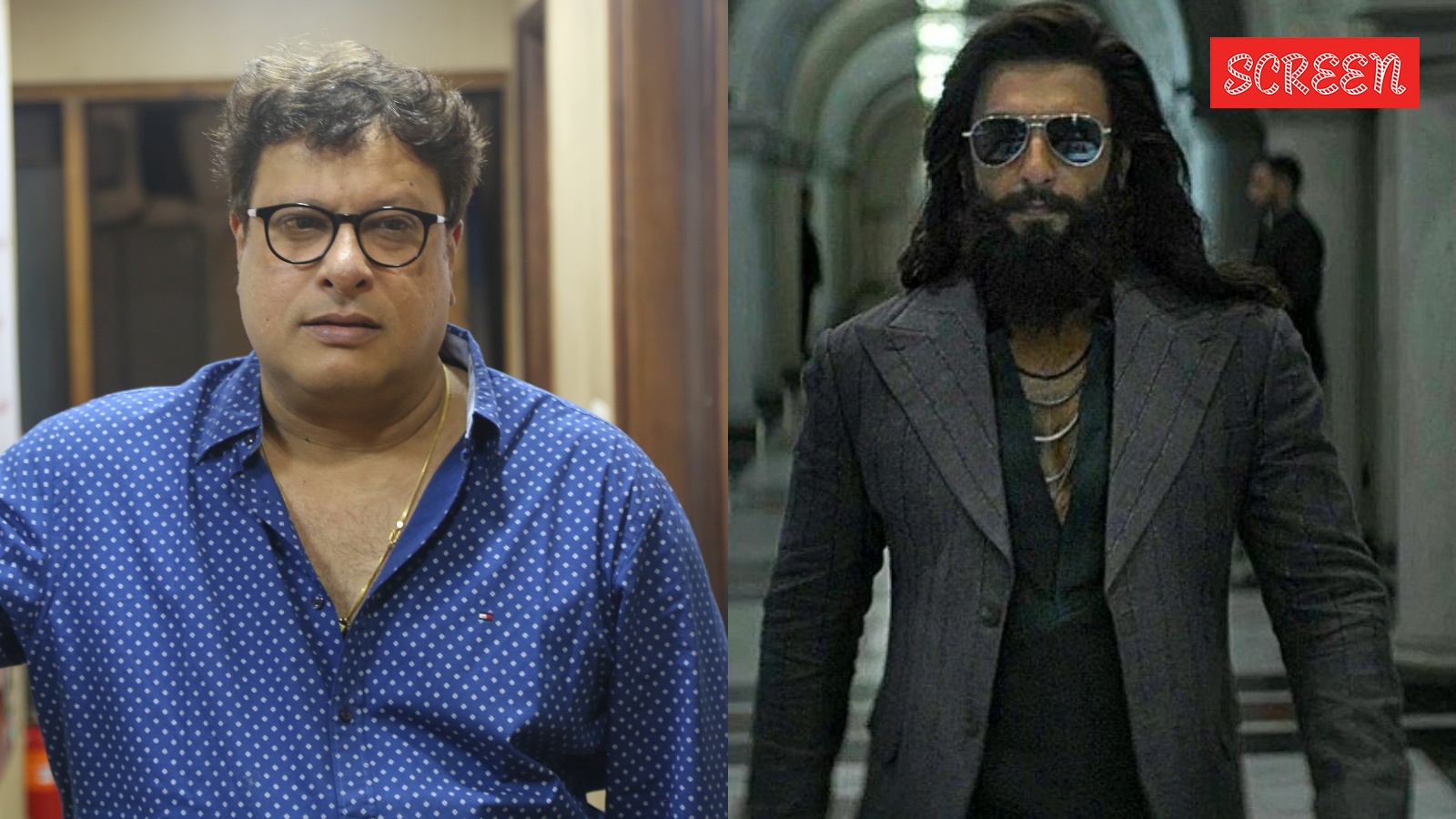
Acclaimed filmmaker Tigmanshu Dhulia has sparked a debate by calling the plot of Ranveer Singh's blockbuster 'Dhurandhar' basic, claiming that corporate influence is killing original storytelling in Hindi cinema.
- Tigmanshu Dhulia praised the presentation of 'Dhurandhar' but dismissed its plot as a basic premise.
- He compared the film to KGF and Pushpa, calling them 'fictional biopics' based on the same template.
- The filmmaker attributed the loss of originality to 'extreme capitalism' and corporate culture.
- The 'Dhurandhar' franchise has earned over Rs 3,000 crore globally.
National Award-winning director Tigmanshu Dhulia has launched a scathing critique against the current state of mainstream Hindi cinema, specifically targeting the storytelling in Ranveer Singh’s massive hit, Dhurandhar. Speaking at an event hosted by The Wire on ‘The State of Media and Film Industry’, Dhulia argued that the industry is drifting away from original narratives in favor of safe, corporate-driven formulas.
Dhulia was careful to distinguish between technical execution and narrative depth. He admitted to enjoying the first installment of 'Dhurandhar', praising its engaging music and polished presentation. However, he questioned the actual substance of the plot, asking, "If I ask you to tell me the story of Dhurandhar... there is a man, he is a cover spy, he goes to Pakistan and wreaks havoc there. Is that a story?"
Why This Matters
BozokMedia analysis shows that the Indian film industry is currently witnessing a clash between 'spectacle-driven cinema' and 'content-driven cinema'. While films like Dhurandhar achieve unprecedented financial success (crossing Rs 3,000 crore), the critique from veterans like Dhulia suggests a dangerous trend where high production values are used to mask thin plots. This shift indicates that the corporate machinery prioritizes 'safe' templates over creative risks.
The filmmaker grouped 'Dhurandhar' with other commercial behemoths like KGF and Pushpa, describing them as "fictional biopics." According to Dhulia, the corporate culture surrounding modern cinema discourages unconventional ideas because they are deemed "unmarketable" or unlikely to work with a mass audience.
"For one, the people who tell stories have disappeared, and those who want to tell them are not allowed to make them because they think, 'This story won’t work.'"
Expanding his critique, Dhulia linked this cinematic uniformity to "extreme capitalism," suggesting that the loss of individuality is a societal plague. He lamented that not only are films becoming identical, but cities are losing their unique characters too. He cited his hometown, Allahabad, noting that it now looks like any other city with the same malls and cars, stripped of its historical identity.
| Feature | Dhurandhar (Commercial Hit) | Dhulia's Ideal Cinema |
|---|---|---|
| Primary Focus | Visual Spectacle & Action | Original & Deep Narrative |
| Approach | Corporate/Standard Template | Individualistic & Unique |
| Outcome | Rs 3,000+ Crore Revenue | Artistic Impact & Legacy |
Frequently Asked Questions
1. What was Tigmanshu Dhulia's main criticism of 'Dhurandhar'?
While he liked the music and presentation, he argued that the plot was too basic to be considered a real 'story'.
2. How successful is the 'Dhurandhar' franchise?
The franchise is one of Bollywood's most successful, earning over Rs 3,000 crore worldwide.
:max_bytes(150000):strip_icc():focal(999x0:1001x2)/jaclyn-smith-PEOPLE-090326-5e479e01a2384e288b7c51d607694587.jpg)
