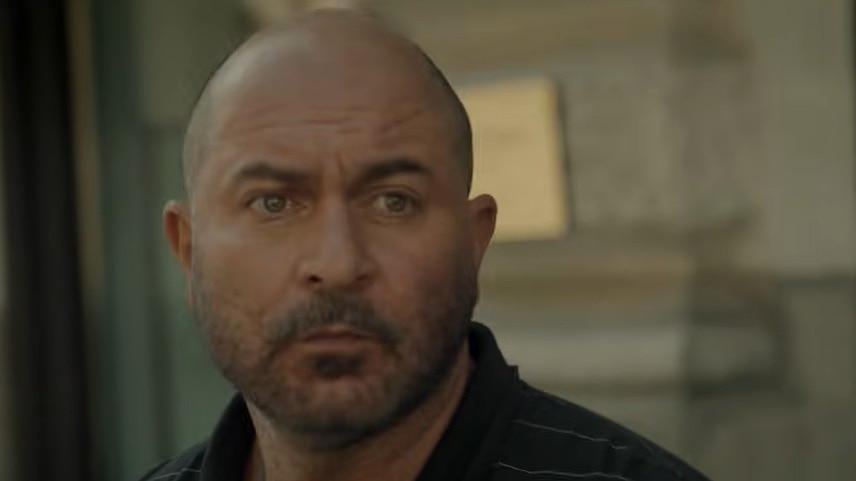
The fifth season of Fauda returns with a visceral exploration of grief and revenge set against the backdrop of the October 7 attacks. Doron Kavillio returns to the field, but the psychological toll of war proves harder to fight than any enemy.
- The plot centers on the Arabic concept of 'tha’r' (blood revenge) following the October 7 attacks.
- Doron Kavillio returns to action while battling severe PTSD and memory loss.
- The setting shifts to Marseille, blending personal vendettas with high-stakes espionage.
Fauda Season 5 marks a pivotal shift in the series, moving away from standard counter-terrorism tropes to explore the raw, jagged edges of human trauma. The narrative is driven by the concept of "tha’r"—the Arabic tradition of blood revenge. The story follows Salem, a Bedouin father grieving his son lost in the October 7 Hamas attacks, who discovers his target has escaped to Marseille. This personal quest for vengeance pulls in Eli, a man shattered by the loss of his own family, setting the stage for a mission where the line between professional duty and personal rage is dangerously blurred.
Writer Omri Senhar makes a sophisticated choice by utilizing the tragedy of October 7 not merely as a plot device, but as the primary emotional engine. The grief of Salem and Eli provides a profound purpose to the Marseille operation, ensuring that the action sequences feel earned rather than gratuitous. For the first time, the series acknowledges that some wounds cannot be healed with a bandage, grounding the espionage in a heartbreaking reality.
Why This Matters
BozokMedia analysis shows that Fauda is evolving from a tactical thriller into a psychological study of war. By focusing on the aftermath of the 2023 attacks, the show mirrors the actual societal fractures in the region. It highlights the precarious balance between the professionalism of intelligence operatives and the primal urge for retribution, suggesting that in the cycle of violence, no one truly 'wins'.
The return of Doron Kavillio (played by Lior Raz) is the season's emotional anchor. No longer the invincible operative, Doron is introduced in therapy, struggling with memory lapses and the psychological weight of his past. His transition back into the field is fraught with hesitation, adding a layer of vulnerability that was previously absent. When the "Fauda machinery" eventually kicks in—surveillance leading to infiltration and then to sudden, brutal firefights—the stakes feel higher because the characters feel mortal.
"The brilliance of Season 5 lies in its ability to make the silence of a therapy session as tense as a midnight raid in a foreign city."
The action remains a hallmark of the series. Directed by Omri Givon, the shoot-outs are messy and unpredictable, avoiding the polished look of superhero cinema. The vulnerability of the operatives—the knowledge that one wrong move could lead to immediate death—keeps the tension palpable. The supporting cast, including Yaakov Zada Daniel as Eli and Hakim Djaziri as Saeed, provide a multifaceted look at how different individuals process loss and anger.
Season Comparison: Evolution of Doron
| Aspect | Earlier Seasons | Season 5 |
|---|---|---|
| Psychological State | Confident/Aggressive | Traumatized/Fragile |
| Motivation | Mission-driven | Grief & Revenge-driven |
| Combat Style | Tactical Dominance | Vulnerable & Desperate |
Frequently Asked Questions
Q: Does Fauda Season 5 focus on the October 7 attacks?
A: Yes, the season is heavily influenced by the trauma and consequences of the October 7 attacks, using them as the primary catalyst for the characters' motivations.
Q: Where does the action take place in the new season?
A: A significant portion of the early episodes takes place in Marseille, France, as characters pursue targets who have fled Gaza.