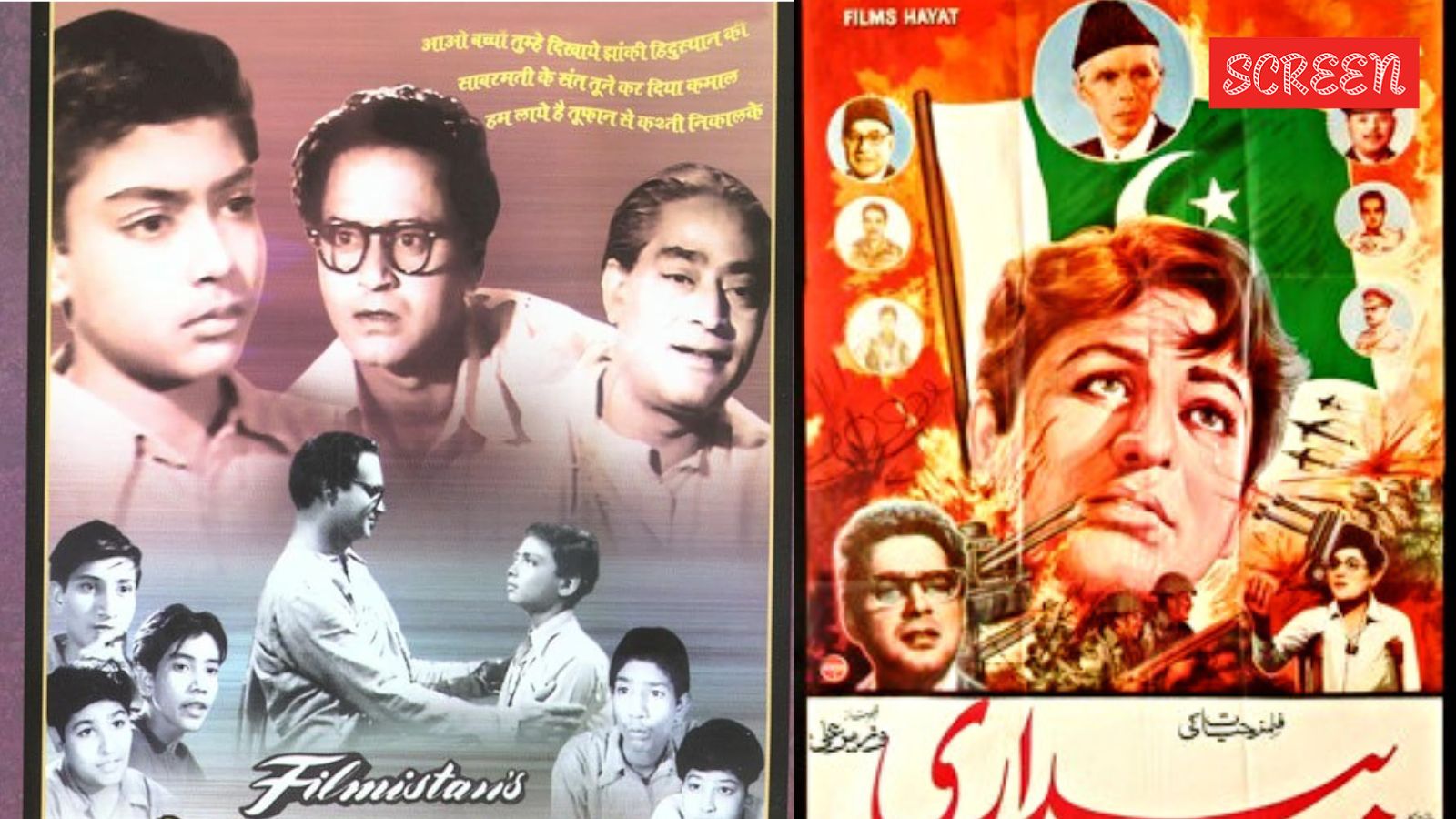
In 1956, the Pakistani film 'Bedari' sparked national outrage after audiences discovered it was a scene-by-scene copy of the 1954 Indian hit 'Jagriti'. The scandal led to a swift ban by the Censor Board and a public outcry over cinematic theft.
- The 1956 Pakistani film 'Bedari' was a direct plagiarism of the 1954 Indian film 'Jagriti'.
- Child star Ratan Kumar, who starred in 'Jagriti', played dual roles in the copycat version.
- Patriotic lyrics were swapped: Indian nationalist references were replaced with Pakistani ones.
- Public demonstrations forced the Pakistan Censor Board to ban the film entirely.
The annals of cinema are filled with remakes, but few are as brazen as the case of 'Bedari'. Released in Pakistan in 1956, the film was not just inspired by the 1954 Indian masterpiece 'Jagriti'; it was a 'carbon copy'—replicating scenes, melodies, and the overarching narrative with surgical precision. What started as a commercial hit soon spiraled into a national scandal.
At the center of this controversy was Ratan Kumar (born Syed Nazir Ali Rizvi). A powerhouse child actor in Bombay's golden era, Ratan had appeared in classics like 'Boot Polish' and 'Baiju Bawra'. After playing the lead role of Shakti in 'Jagriti', he migrated to Pakistan in 1956. His brother, Wazir Ali Rizvi, established 'Film Hayat', and their first venture was 'Bedari', a calculated attempt to recreate Ratan's Indian success on Pakistani soil.
The Lyric Swap: National Identity as a Mask
The most striking aspect of the plagiarism was the music. The melodies remained identical, but the lyrics were rewritten to suit a different national identity. The iconic line 'Aao Bachchon Tumhe Dikhayen Jhaanki Hindustan Ki' was transformed into 'Aao Bachchon Saer Karayen Tumko Pakistan Ki'. References to Mahatma Gandhi were erased and replaced with tributes to Muhammad Ali Jinnah, while 'Vande Mataram' became 'Pakistan Zindabad'.
Why This Matters
BozokMedia analysis shows that this incident was a byproduct of the geopolitical tensions of the era. Because Indian films were banned from public exhibition in Pakistan at the time, the producers believed the audience would be oblivious to the source material. This case highlights a fascinating intersection of cinematic greed and political isolation, proving that while borders can block films, they cannot block the collective memory of an audience.
Plagiarism in cinema is a gamble on the audience's ignorance; when that gamble fails, the backlash is often more severe than if the film had simply been mediocre.
While 'Bedari' initially enjoyed immense commercial success, the tide turned when discerning viewers recognized the plot and tunes. The realization that they were watching a plagiarized work sparked mass demonstrations. The public felt betrayed, leading the Pakistan Censor Board to immediately ban the film and its soundtrack from all public platforms.
| Detail | Indian Film (Jagriti) | Pakistani Film (Bedari) |
|---|---|---|
| Release Year | 1954 | 1956 |
| Lead Character | Shakti / Ajay | Sabar Ali / Zafar |
| National Reference | Mahatma Gandhi / India | Muhammad Ali Jinnah / Pakistan |
Frequently Asked Questions
Q1: Who was Ratan Kumar?
Ratan Kumar was a celebrated child actor in India's 1950s cinema who later moved to Pakistan and starred in the controversial film 'Bedari'.
Q2: Why was 'Bedari' eventually banned?
It was banned due to blatant plagiarism of the Indian film 'Jagriti', which caused a mass public uproar and protests in Pakistan.