From Suriya's transformation in 'Karuppu' to a wave of upcoming deity-centric projects, Tamil cinema is witnessing a massive resurgence of the devotional genre. Explore the intersection of CGI, cultural shifts, and box-office faith driving this trend.
- Devotional films (Saami Padam) are making a massive comeback in Tamil cinema with stars like Suriya, Dhanush, and Sivakarthikeyan.
- Advances in affordable CGI have replaced the tacky visual effects of the 2000s, allowing for divine grandeur.
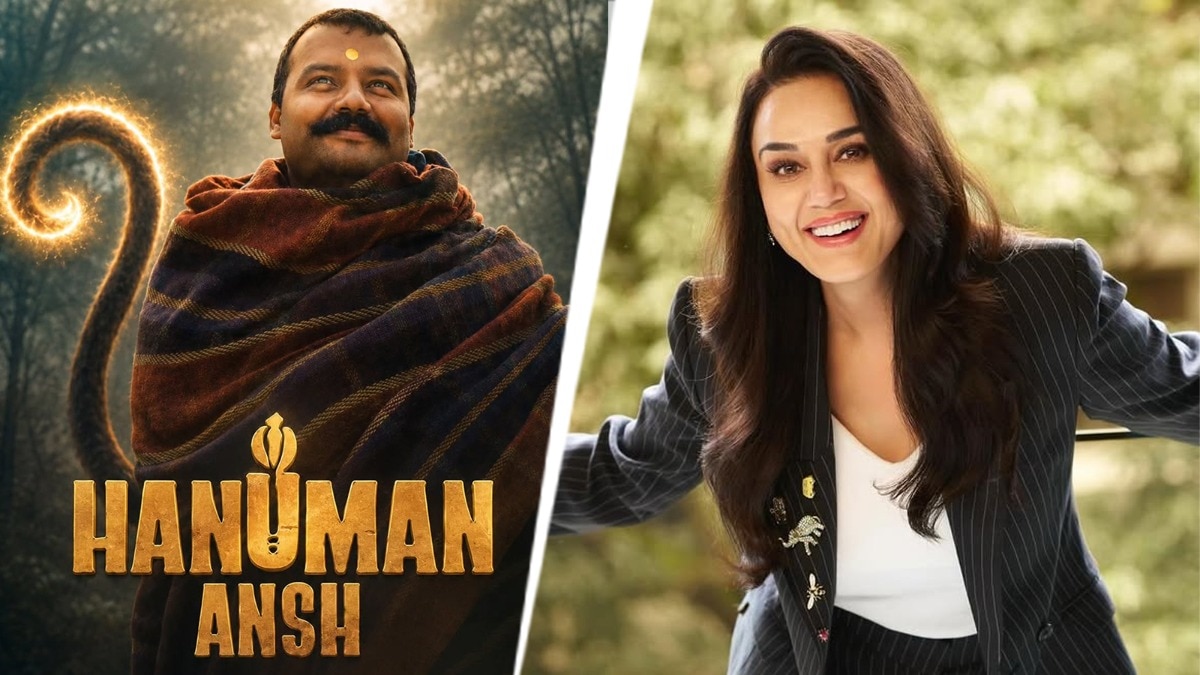
- The success of pan-Indian hits like Kantara and Hanu-Man has paved the way for rooted mythological storytelling.
Tamil cinema is rediscovering its oldest protagonists. The recent release of Karuppu, directed by RJ Balaji and starring Suriya as Lord Karuppasamy, has signaled the return of the 'Saami Padam' (devotional film)—a genre that once defined the industry but had largely faded into the background for two decades.
The revival is not an isolated incident but a burgeoning trend. A slate of high-profile projects is currently in development, including Seyon (Sivakarthikeyan), Mookuthi Amman 2 (Nayanthara), Thamizh Murugan (Dhanush), and Vettaisaamy (Arulnithi). This shift is even bleeding into non-devotional films, such as Sardar 2, where Karthi's character wields the divine Vel, reflecting a broader cultural integration of religious iconography in mainstream entertainment.
Historical Background
Devotional themes were the bedrock of Tamil cinema in the 1950s and 60s. Visionaries like AP Nagarajan utilized the Ravi Varma style of painting to visualize the divine, casting legends like Sivaji Ganesan and NT Rama Rao. However, by the mid-2000s, the genre declined. The high cost of elaborate sets and the 'tacky' nature of early visual effects made these films feel dated compared to the emerging modern cinema.
Why This Matters
BozokMedia analysis shows that this resurgence is driven by a perfect storm of technology and sociology. Firstly, the democratization of CGI means that high-end visual effects are no longer reserved for superstar budgets. Secondly, there is a psychological shift; producers often feel a 'divine safety net' when filming deities, believing the subject matter protects the investment from failure.
"God as a protagonist lends a grandeur that differentiates the big screen from streaming content; it provides an instant 'wow' factor that audiences instinctively believe."
Furthermore, the 'Kantara effect' has proven that rooted, regional stories about local deities have immense commercial viability. With national hits like Kalki 2898 AD and Hanu-Man, the appetite for mythology has reached a fever pitch, encouraging Tamil filmmakers to return to their spiritual roots.
| Era | Visual Style | Primary Drivers | Key Figures |
|---|---|---|---|
| 1950s-60s | Ravi Varma Painting Style | Faith & Tradition | Sivaji Ganesan, AP Nagarajan |
| 2000s | Early CGI / Studio Sets | Niche Devotional Markets | Amman/Iyappan Films |
| 2020s | Advanced CGI / Hyper-Realism | Pan-Indian Appeal & Cultural Shift | Suriya, Rishab Shetty |
Frequently Asked Questions
Q1: Why did devotional films disappear in the mid-2000s?
A1: The decline was primarily due to the high cost of physical sets and the outdated look of early visual effects, which made the films appear low-quality to modern audiences.
Q2: Is this trend limited to Tamil cinema?
A2: No, it is a nationwide phenomenon seen in Kannada (Kantara), Telugu (Hanu-Man), and Hindi cinema, reflecting a broader cultural resurgence of mythology across India.