Explore the extraordinary life of Chapal Bhaduri, the man who dominated Bengal's folk theatre as a celebrated 'Queen' before being discarded by a changing society.
- Chapal Bhaduri was a premier male actor specializing in female roles (Ranis) in Bengal's Jatra theatre.
- His career peaked in the 1960s, earning significant wealth and fame before a sudden decline in the 1970s.
- The book 'Chapal Rani, The Last Queen of Bengal' by Sandip Roy archives this vanishing cultural history.
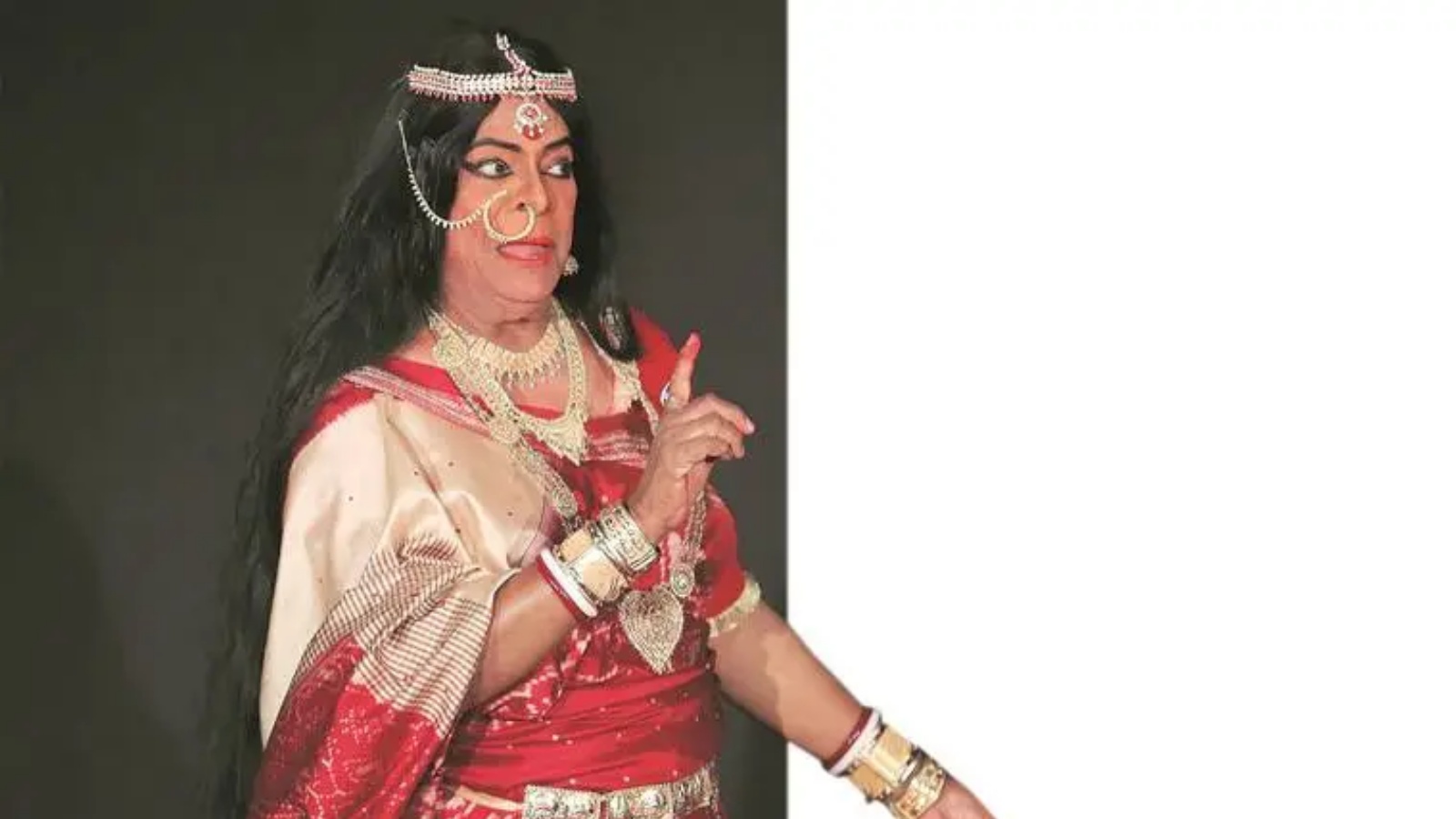
The history of Jatra, Bengal's traditional folk theatre, is often viewed through the lens of the masses, yet it contains stories of individual brilliance and heartbreaking tragedy. One such story is that of Chapal Bhaduri, known to thousands as Chapal Rani. For years, Bhaduri was the gold standard for female impersonation on stage, commanding the presence of historical figures like Chand Bibi and Sultana Raziya.
During the 1960s, Bhaduri reached a level of stardom rarely seen in folk arts. By 1965, he was earning approximately Rs 6,000 per month—a staggering sum for that era—and enjoyed the adoration of crowds across West Bengal. However, his reign was not ended by a lack of talent, but by a shift in societal norms and industry demands. As biological women began entering the Jatra tradition in larger numbers, the appetite for male 'Ranis' diminished.
Why This Matters
BozokMedia analysis shows that Chapal Rani's trajectory is not just a biography of an actor, but a reflection of the precarious nature of performance art and gender roles in mid-century India. The transition from being a 'celebrated queen' to an 'outcast' happened almost overnight, highlighted by a traumatic incident where a spectator threw a clay cup at him, demanding a 'real woman'. This moment signaled the end of an era where gender performativity was a respected craft.
The memory of the performer becomes the only surviving archive when the scripts themselves are lost to time.
The comprehensive biography by Sandip Roy, titled 'Chapal Rani, The Last Queen of Bengal: The Life and Times of a Female Impersonator', reveals the stark contrast between Bhaduri's public persona and private life. While he inhabited the grandeur of queens on stage, in his daily life, he remained a conservative, middle-class Bengali man in plain kurtas. This duality underscores the professional discipline of the Jatra artists of that time.
The tragedy extends beyond Bhaduri alone. The book documents a grim pattern where many of the celebrated 'Ranis' of the past ended their lives in absolute poverty. Some were reduced to stitching petticoats or selling peanuts on the streets, lacking any social safety net or pension. Bhaduri stands as one of the few survivors capable of witnessing this vanished world.
Furthermore, the narrative touches upon the intersection of art and identity. Bhaduri lived in a long-term relationship with another man decades before the modern queer movement provided a vocabulary for such identities in India. His life was a complex tapestry of professional success, personal secrecy, and eventual obsolescence.
Frequently Asked Questions
What is Jatra theatre?
Jatra is a traditional folk theatre form from Bengal, characterized by loud acting, musical elements, and historically, the use of male actors to play female roles.
Who wrote the book on Chapal Rani?
The biography was written by Sandip Roy and published by Seagull Books.