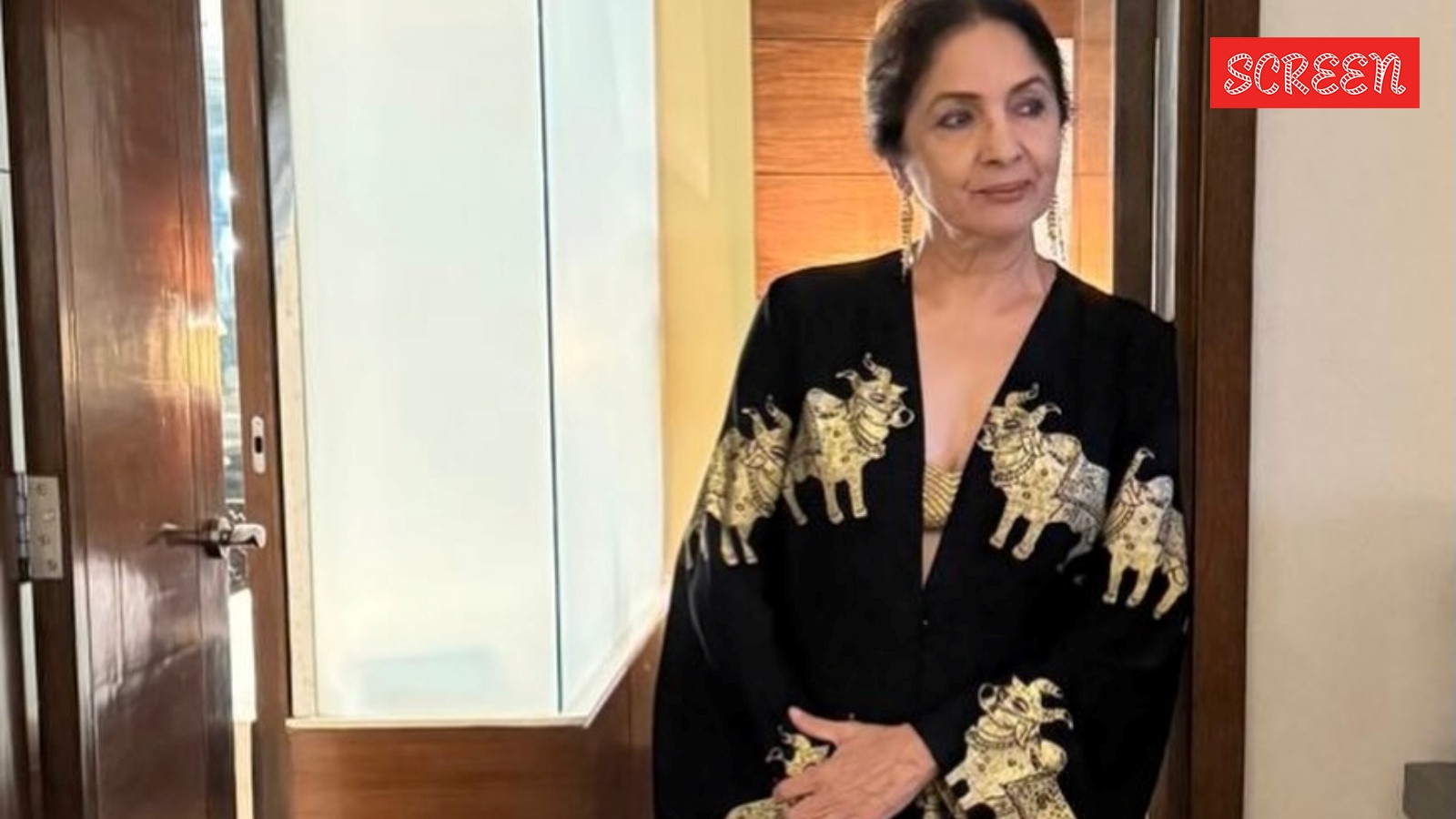
Veteran actress Neena Gupta candidly discusses the grueling realities of raising her daughter Masaba Gupta as a single parent, stating she would not encourage others to follow the same path due to the emotional and financial toll.
- Neena Gupta advises against choosing single motherhood unless absolutely necessary.
- She describes the experience as taxing on the body, soul, and finances.
- The actress apologized to Masaba for the absence of a father during her childhood.
- Transparency and honesty were key to her relationship with her daughter.
Veteran actor Neena Gupta has long been a symbol of strength and unconventionality in the Indian film industry. However, in a recent heart-to-heart conversation, she peeled back the layers of the perceived 'glamour' of single parenthood, admitting that raising her daughter, fashion mogul Masaba Gupta, was one of the most challenging journeys of her life.
The story dates back to the late 1980s when Neena was in a relationship with West Indies cricket legend Vivian Richards. Because Richards was already married at the time, Neena made the courageous yet isolating decision to have their daughter and raise her independently in India, refusing financial or emotional handouts from others.
The Harsh Reality of Single Parenting
During a recent interaction with Zoom, Neena stated emphatically, "I would not propagate it. I have always said, 'Don’t do it because I did it.' It is very difficult, and it is not fair on the child." She clarified that her stance isn't born out of a fear of societal judgment, but from the lived experience of the exhaustion that accompanies such a choice.
According to Neena, the toll is multifaceted. It affects the parent's physical health, emotional well-being (the soul), and financial stability. While she respects individual choices, she believes the inherent void created for the child is a significant drawback.
BozokMedia Analysis: Why This Matters
BozokMedia analysis suggests that Neena Gupta's admission serves as a critical counter-narrative to the modern trend of 'choice-based' single motherhood. By highlighting the systemic and psychological struggles, she brings a necessary nuance to the conversation about empowerment versus reality. Her transparency helps dismantle the myth that willpower alone can substitute for a dual-parenting support system.
"True empowerment lies in the honesty of sharing one's struggles so that others can make informed decisions about their future."
Healing Through Honesty
One of the most poignant parts of Neena's journey was her commitment to honesty. Rather than shielding Masaba from the truth or letting her discover it through gossip, Neena systematically shared the facts of her birth and her father's absence as Masaba grew older. This approach ensured that Masaba developed an understanding of her father without harboring malice or anger.
In a rare moment of vulnerability, Neena admitted to apologizing to Masaba over the years. "I am so honest with her that many times I have said sorry to her that you didn’t have a father with you when you were young. It is my fault, but she understands," she revealed, acknowledging that youth often brings decisions that wisdom only clarifies in later years.
Frequently Asked Questions
Q1: Why does Neena Gupta believe single motherhood is 'not fair' to the child?
A: She believes the emotional void and the struggle of having only one parent can be detrimental to a child's experience and growth.
Q2: How did Neena handle Masaba's relationship with Vivian Richards?
A: She told Masaba the truth gradually and honestly, ensuring the daughter did not grow up hating her father.