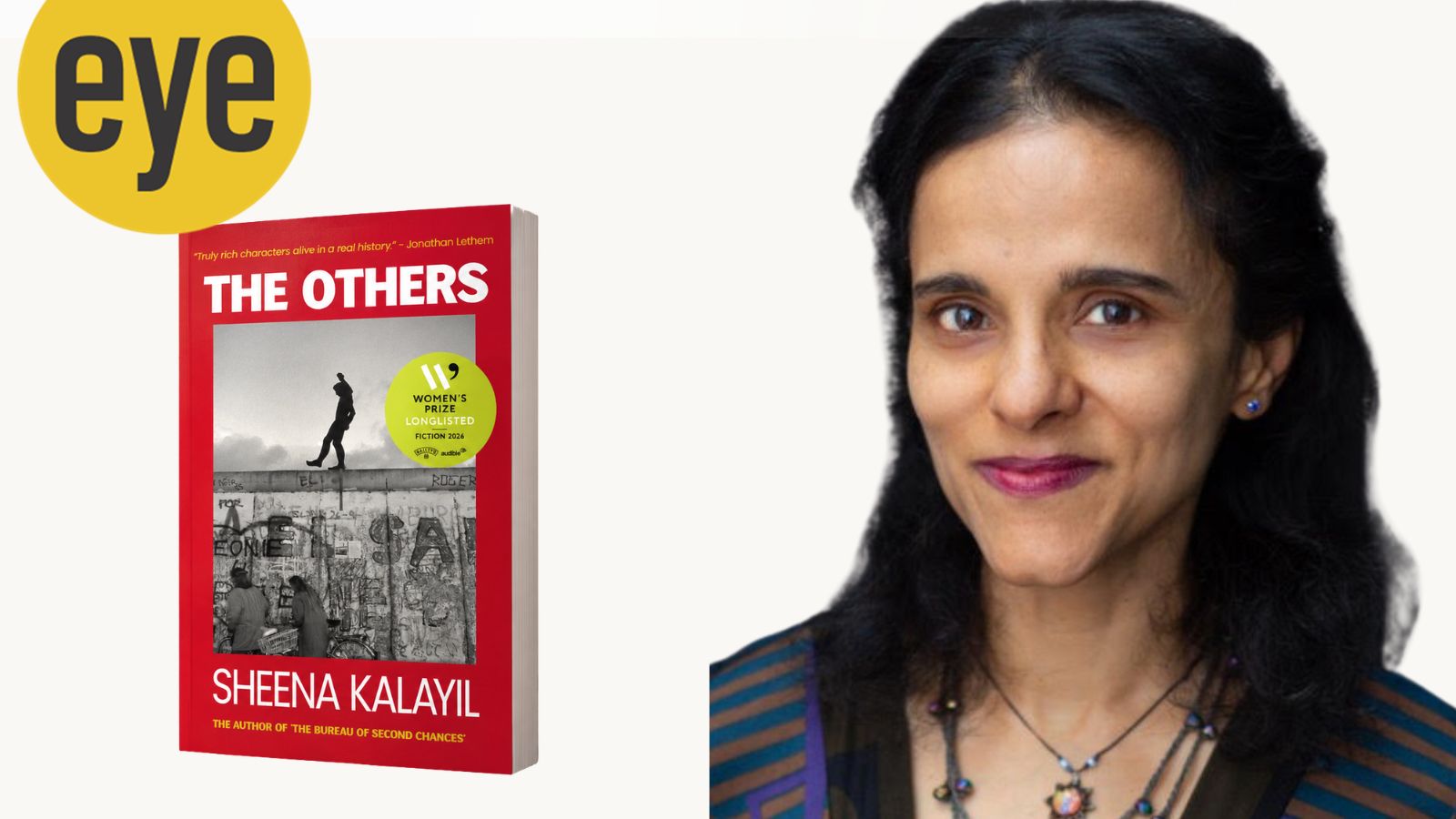
Manchester-based novelist Sheena Kalayil explores the neglected history of foreign workers during the fall of the Berlin Wall in her Women's Prize longlisted novel, 'The Others'.
- Sheena Kalayil's 'The Others' has been longlisted for the 2026 Women’s Prize for Fiction.
- The novel focuses on the marginalized experiences of migrants from Mozambique, Vietnam, and Cuba during the fall of the Berlin Wall.
- It explores themes of race, displacement, and political instability through a human-centric lens.
The fall of the Berlin Wall remains one of the most iconic images of the 20th century, symbolizing triumph and reunification. However, the jubilant narratives often overlook the plight of foreign students and workers from socialist nations like Mozambique and Cuba. Manchester-based novelist Sheena Kalayil addresses this historical gap in her fourth novel, 'The Others', which has earned a spot on the 2026 Women’s Prize for Fiction longlist.
Set during the seismic shifts surrounding the collapse of the German Democratic Republic (GDR), the story follows three marginalized individuals: Armando, a factory worker from Mozambique; Lolita, a medical student from India; and Theo, an East Berliner aspiring writer. Their lives intertwine in a complex love triangle, serving as a backdrop for a profound meditation on race, migration, and the psychological weight of living under surveillance.
Why This Matters
BozokMedia analysis shows that historical literature frequently centers on dominant political narratives while sidelining the 'subaltern' voices. Kalayil’s work is significant because it restores 'interiority' to migrant characters, moving them away from being mere political symbols to becoming fully realized human beings with complex emotional landscapes.
Migration often happens not through deliberate choice, but through circumstance.
Kalayil’s inspiration stemmed from her time in Mozambique, where she encountered former 'madgermanes'—Mozambican workers who had lived in East Germany. Rather than attempting to write from a purely Mozambican perspective, she chose to blend her experiences as an international student with the universal anxieties of young adulthood during political upheaval.
Furthermore, the novel serves as a critique of the publishing industry. Kalayil highlights the pressure on postcolonial writers to stick to 'expected lanes'—such as writing exclusively about the British Raj or second-generation immigrant experiences. By writing about East Germany, she subverts these narrow literary expectations and maintains her signature 'sparse and precise' prose style.
Frequently Asked Questions
Question 1: What makes 'The Others' unique in contemporary literature?
Answer: It provides a rare perspective on the intersection of socialist history and migrant experiences during the reunification of Germany.
Question 2: Who is the protagonist of the novel?
Answer: The story features three interconnected protagonists: Armando, Lolita, and Theo.