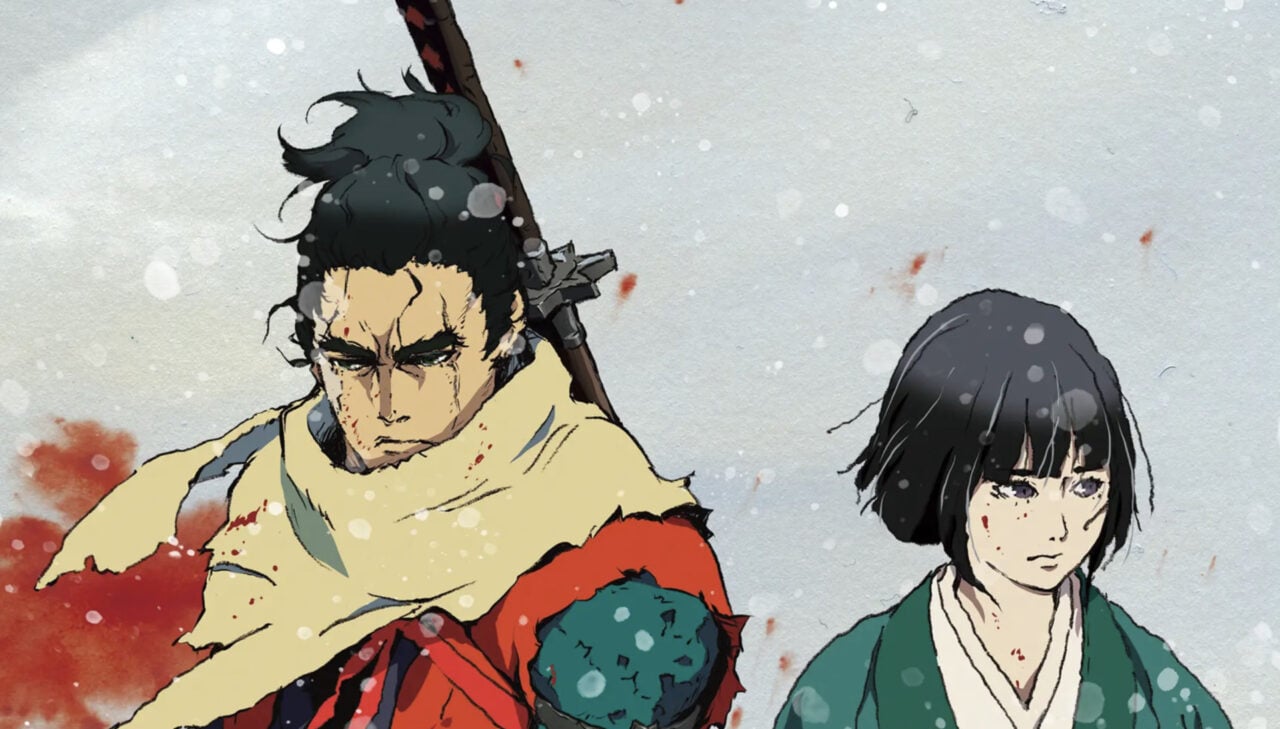
The two-hour theatrical film 'Sekiro: No Defeat' attempts to adapt FromSoftware's masterpiece, but fails to capture the soul and pacing of the original game.
- The film utilizes a beautiful ukiyo-e and sumi-e inspired art style.
- The two-hour runtime leads to a rushed and fragmented narrative.
- Action sequences lack the weight and impact found in the original game.
- The adaptation struggles to balance character development with necessary combat.
When Sekiro: Shadows Die Twice arrived in 2019, it marked a departure for FromSoftware. Moving away from medieval fantasy, the studio delivered a lightning-fast samurai epic set in ancient Japan. The story of Wolf, a one-armed shinobi, protecting the young Kuro, was deeply immersive. However, the cinematic adaptation, Sekiro: No Defeat, recently released in Japanese theaters, falls short of the legendary status held by its source material.
Visually, the film is a triumph of style. Rather than mimicking the gritty textures of the game, the animators opted for a painterly approach reminiscent of traditional Japanese ukiyo-e and sumi-e art. This choice makes the film feel like a legendary tale being passed down through generations. While stunning to look at, this aesthetic beauty cannot mask the structural flaws of the storytelling.
Why This Matters
BozokMedia analysis shows that successful video game adaptations must either replicate the interactive feeling or expand the lore in a meaningful way. 'Sekiro: No Defeat' attempts to expand the quiet moments between Wolf and Kuro, but by trying to do so within a strict two-hour theatrical window, it results in a series of disconnected vignettes rather than a cohesive epic.
A successful adaptation must bridge the gap between interactive mastery and passive observation, a feat this film fails to achieve.
The primary issue lies in the compression of the narrative. The game is an expansive journey, whereas the film feels both rushed and unnecessarily dragged out. Because of the limited runtime, the combat—the very heart of the Sekiro experience—is stripped of its tension. Battles are over too quickly, often lasting less than a minute, leaving the audience feeling unengaged and the stakes feeling low.
Furthermore, the lack of enemy backstories diminishes the impact of the encounters. In the game, every duel feels earned; in the film, enemies are often sliced down without context, making the action feel hollow. For fans of the game, it feels less like a unique retelling and more like an inferior version of a beloved story.
Frequently Asked Questions
1. Is there a better way to watch Sekiro's story?
Yes, a limited series is coming to Crunchyroll, which will likely have more time to develop the plot.
2. Does the film follow the game's plot closely?
It follows the overarching story but makes significant changes to the pacing and character focus.