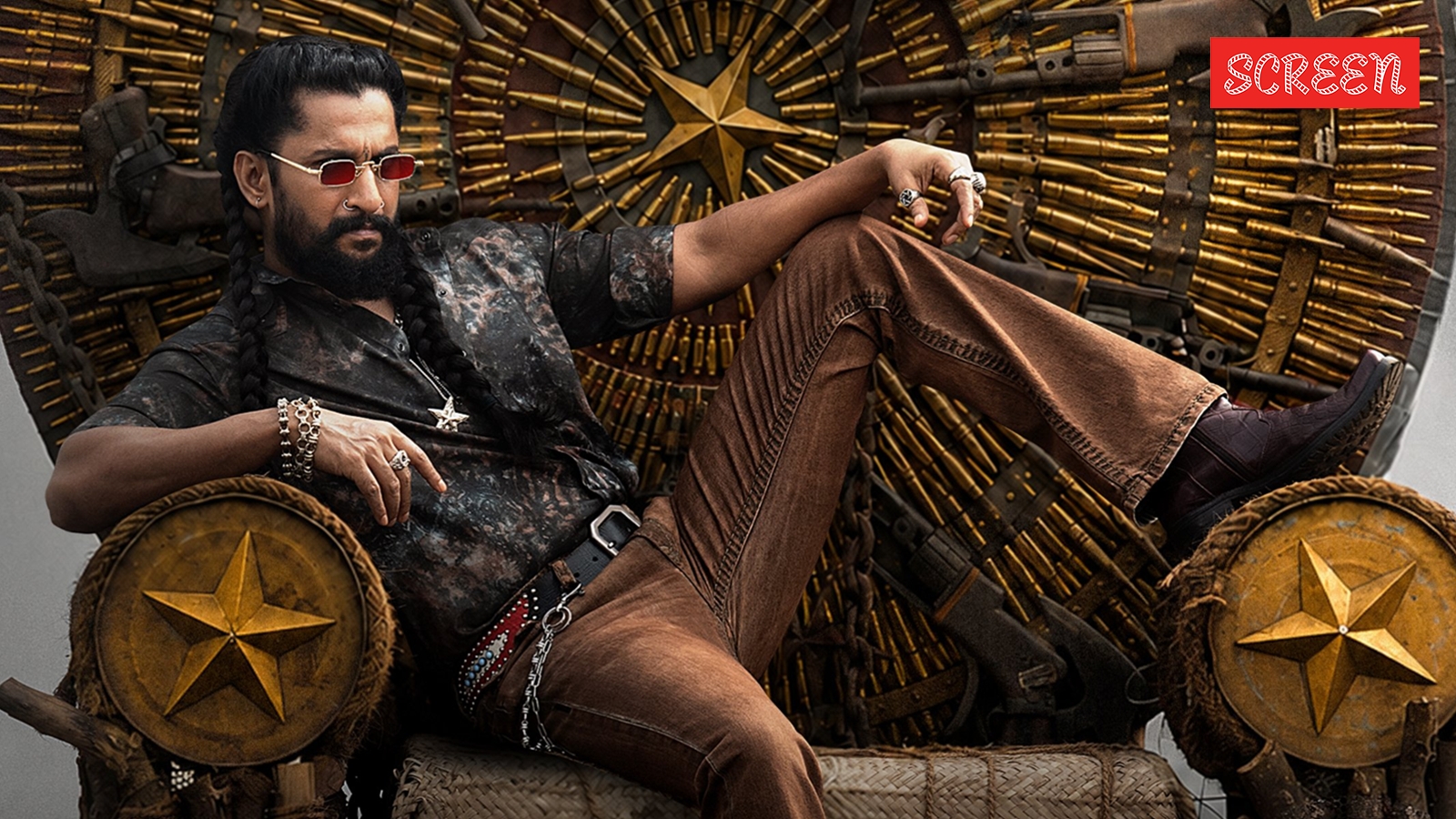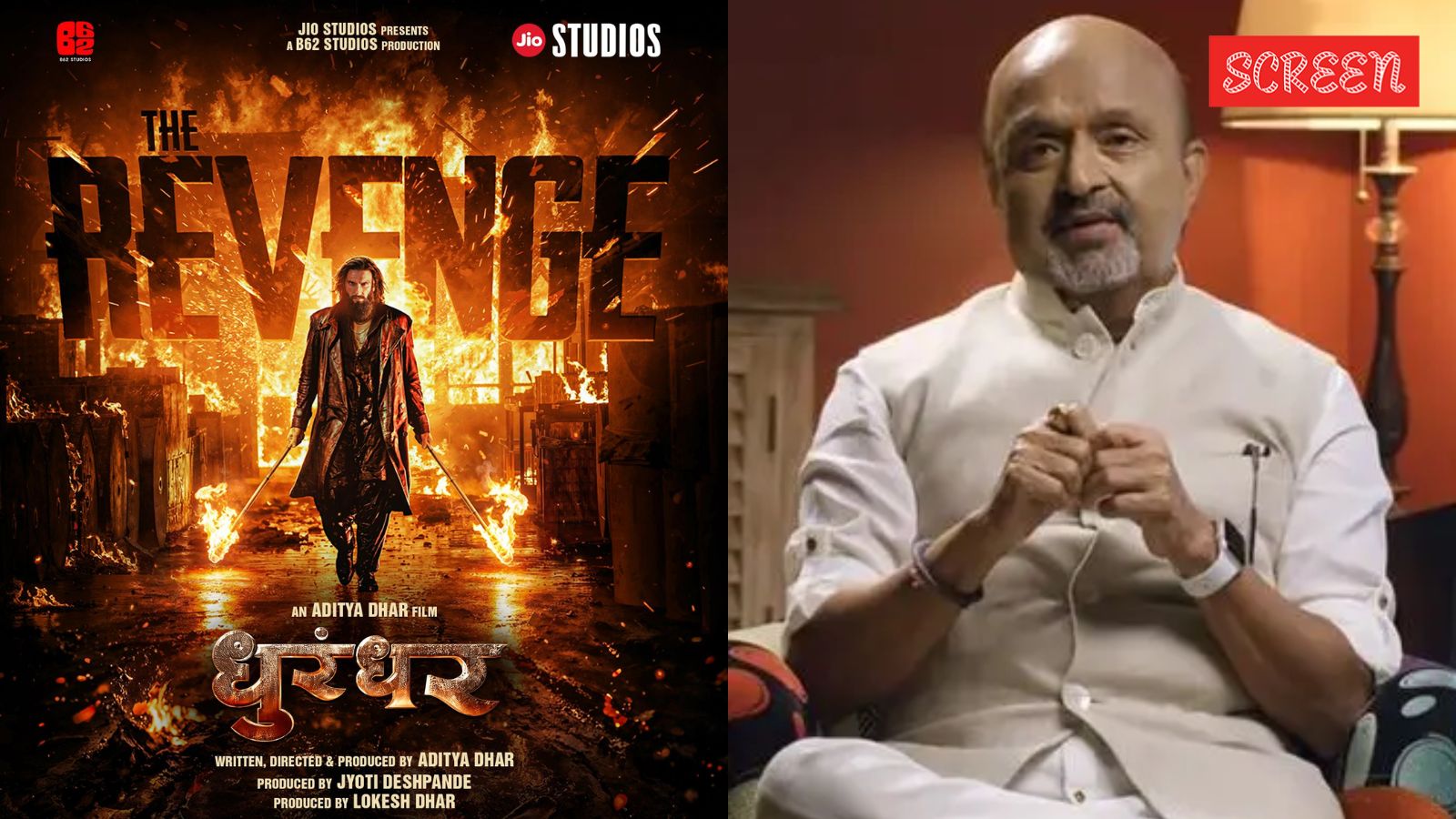
Legendary Bollywood lyricist Sameer Anjaan has openly criticized the makers of Ranveer Singh's action franchise 'Dhurandhar' for using iconic melodies during violent shootouts. He lamented the decline of emotional depth in modern cinema and blamed corporate culture for ruining the collaborative spirit of filmmaking.
- Veteran lyricist Sameer Anjaan slammed the makers of 'Dhurandhar' for using old songs as background scores for violent sequences.
- He specifically called out the use of his classic song 'Jumma Chumma' during a shootout scene, calling it a destruction of art.
- Sameer blamed the rise of corporate culture in Bollywood for sidelining creative depth and ignoring experienced artists.
In a scathing critique of the current state of Bollywood music, legendary lyricist Sameer Anjaan—the creative force behind timeless blockbusters like "Kuch Kuch Hota Hai" and "Tum Dil Ki Dhadkan Mein"—has lashed out at the makers of the Ranveer Singh-starrer Dhurandhar. The veteran writer expressed his deep disappointment over how iconic, emotionally-charged songs are being stripped of their essence and utilized as mere background noise for high-octane violence and action sequences.
Speaking on Komal Nahta’s YouTube podcast *Game Changers*, Sameer did not hold back. He argued that modern cinema has lost its soul, pointing to a lack of emotional depth in contemporary society which is ultimately reflected on screen. "Songs today don’t have meaning because the people today don’t have emotions and depth left in them," Sameer remarked, highlighting how the rise of OTT platforms has shifted the industry's focus heavily toward sex and violence at the expense of quality music.
The Meticulous Past vs. The Corporate Present
Recalling the golden era of his career, Sameer shared how directors and producers used to invest immense time and respect into the musical process. He reminisced about working with Karan Johar on the title track of *Kuch Kuch Hota Hai*, noting that the filmmaker gave him a detailed six-hour narration, describing even the minute details of what the actors would wear. According to Sameer, that level of artistic dedication has been entirely replaced by a cold, transactional corporate structure.
"The entry of corporate has also given rise to bad content," Sameer asserted. He explained that modern producers often approach writers without any artistic context, casually demanding "hit songs" as if they were mass-produced commodities. He criticized the practice of employing up to 12 music directors and 18 songwriters for a single project, arguing that such fragmentation makes it impossible to produce cohesive, high-quality art.
Why This Matters
An in-depth BozokMedia analysis shows that Bollywood's global identity has historically been built on the strength of its narrative-driven music. The growing trend of commercializing nostalgia through uncredited remixes and misplacing classic tracks in jarring, violent contexts threatens to alienate audiences who cherish these cultural touchstones. Sameer Anjaan's public outcry underscores a growing friction between veteran purists and modern corporate executives who prioritize immediate viral traction over long-term artistic legacy.
Addressing the controversial trend of song recreations, Sameer clarified that while remakes like "Dilbar" successfully introduced his work to Gen Z, the execution is often deeply flawed. He expressed frustration over how original lyricists are routinely sidelined, with new writers being brought in to pen vulgar or unrelated lyrics that insult the original literature. He emphasized that morally and artistically, the industry must respect the original creators.
"Morally, these people cannot touch this creative work without the permission of the original writers. Yet, they do it. This needs to stop. Good things work for a very long time." - Sameer Anjaan
| Aspect | Classic Era Filmmaking | Modern Corporate Approach |
|---|---|---|
| Creative Process | Deep collaboration between directors, lyricists, and composers. | Transactional; multiple music directors and lyricists per film. |
| Song Integration | Songs advanced the narrative and carried emotional depth. | Songs are often used as promotional tools or background noise. |
| Respect for Originals | Original creators were credited and deeply involved. | Remakes often bypass original writers, altering lyrics without consent. |
Sameer specifically singled out *Dhurandhar* and the trailer of *Chauhan* for their egregious misuse of classic tracks. "They picked the music and put it in the background. In the trailer of Chauhan, they are playing Jumma Chumma during an action sequence. They recreated my song while they are firing guns. Where is the song?" he questioned. He concluded by revealing that his long-time collaborator Nadeem (of Nadeem-Shravan fame) has advised him to remain patient, predicting that the industry will eventually burn through its shortcuts and return to the veterans for genuine quality.
Frequently Asked Questions
Q1: Why is Sameer Anjaan angry with the makers of Dhurandhar?
A1: Sameer is furious because the film franchise used his iconic, classic songs as background tracks during violent action scenes and shootouts, which he feels completely destroys the artistic integrity of the music.
Q2: What does Sameer blame for the decline of modern Bollywood music?
A2: He blames the rise of corporate culture, the lack of collaboration, the hiring of too many music directors for a single film, and the dismissal of veteran artists as being "out of touch" with the younger generation.