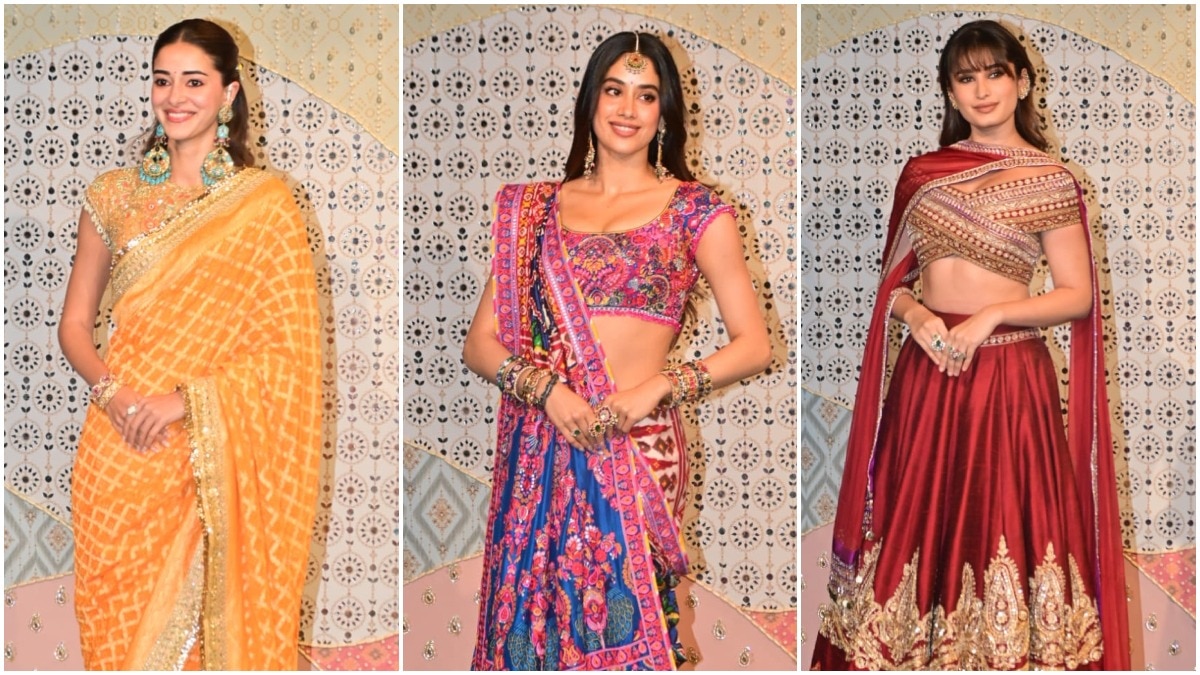
A seismic shift is occurring in the fashion industry as Gen Z abandons the 'quiet luxury' trend in favor of bold, vibrant, and maximalist Indian styles, led by stars like Ananya Panday and Janhvi Kapoor.
- Gen Z is pivoting away from minimal and neutral fashion trends.
- Maximalist Indian fashion, characterized by bold colors and heavy embellishments, is surging in popularity.
- Bollywood icons Ananya Panday and Janhvi Kapoor are leading this stylistic movement.
The fashion landscape is undergoing a dramatic transformation. For the past few years, the industry has been dominated by the 'quiet luxury' and 'minimalism' movements, favoring neutral palettes and understated elegance. However, the tide is turning. The Gen Z demographic is officially declaring that 'less is more' is out, and 'more is more' is in.
Leading this sartorial revolution are Bollywood's rising stars, Ananya Panday and Janhvi Kapoor. While they were previously spotted in subtle pastels and clean silhouettes, their recent appearances showcase a complete embrace of maximalism. We are seeing heavy embroidery, intricate patterns, and a fearless approach to layering traditional Indian elements with modern sensibilities.
Why This Matters
BozokMedia analysis shows that this shift is not merely a change in clothing preferences but a deeper cultural expression. Gen Z is looking to reconnect with their heritage, utilizing fashion as a tool for identity assertion. By embracing maximalism, they are breathing new life into traditional Indian craftsmanship and making it relevant for the digital age.
Fashion has evolved from a tool of conformity into a powerful medium for radical self-expression and cultural pride.
Historically, Indian fashion has always been synonymous with opulence. From the intricate weaves of the Mughal era to the royal splendor of Rajputana, heavy jewelry and detailed embroidery have long been part of the cultural fabric. What we are witnessing today is a contemporary reimagining of this historical grandeur.
This trend blends the old with the new, creating a unique 'fusion' aesthetic. It involves mixing traditional fabrics like Banarasi silk or Chanderi with unconventional cuts and bold, modern accessories, creating a look that is both nostalgic and futuristic.
Frequently Asked Questions
Question 1: What defines maximalist fashion?
Answer: Maximalism is a style characterized by the bold use of colors, patterns, textures, and accessories to create a sense of abundance and luxury.
Question 2: Why is Gen Z driving this trend?
Answer: Gen Z values individuality and authenticity; maximalism provides a vast canvas for them to express their unique personalities without restrictions.

:max_bytes(150000):strip_icc()/Jaclyn-Smith-Farrah-Fawcett-090826-1-6bcfbd84766849f681e05f7da992c7f0.jpg)