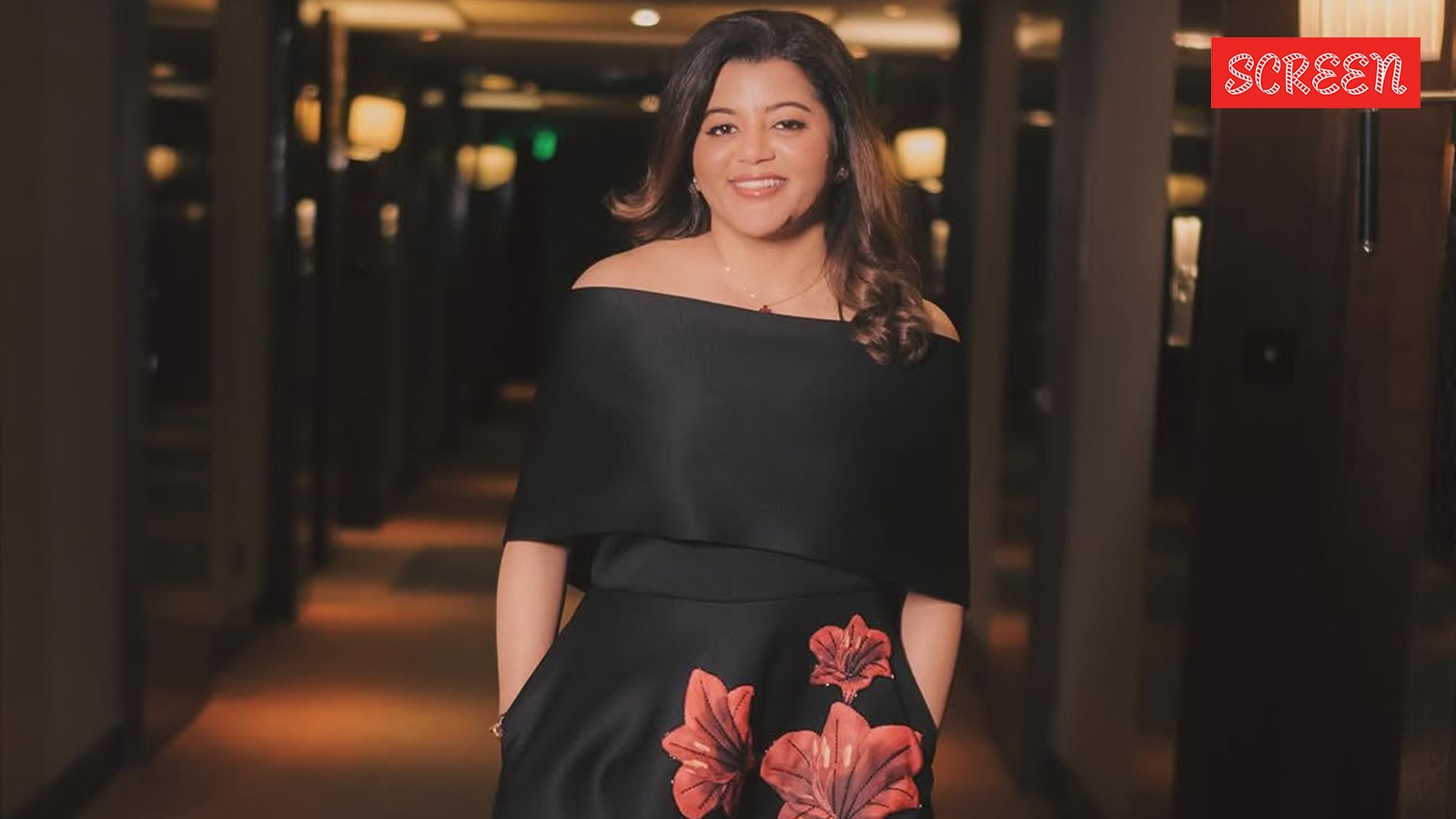
In the wake of actress Urvashi’s remarks about a female anchor speaking English, producer Supriya Menon stepped forward to address the broader debate on language usage in Kerala. The piece delves into the incident’s background, public reactions, and its implications for cultural identity and media responsibility.
- Supriya Menon labels the ongoing English debate as a case of “twisting words out of context.”
- The controversy highlights a clash between regional linguistic pride and the realities of a globalized, English‑speaking diaspora.
- Media misinterpretations and fact‑checking lapses amplified the dispute.
On September 15, 2026, during the promotional event for the Malayalam film “Aasha,” actress Urvashi criticized a female anchor for mixing English and Malayalam, sparking a heated discussion on social media. Producer Supriya Menon, known for her outspoken stance on industry matters, responded publicly, questioning the logic behind criticizing English usage while Kerala’s populace is deeply multilingual.
Supriya Menon’s Perspective
In a comment on Instagram, Menon wrote, “I don’t understand this constant debate about speaking in English. We send our kids to English‑medium schools, many of us study abroad, and yet speaking English is still seen as arrogant.” Her statement underlined a desire for a more inclusive linguistic environment.
Why This Matters
BozokMedia analysis shows that language debates in Kerala reflect deeper socio‑cultural tensions between preserving regional identity and embracing global connectivity. The incident has sparked a national conversation about linguistic privilege, especially in a multilingual country like India.
"Language is not just a medium of communication but also a symbol of identity," says sociologist Dr. Rashmi Verma.
Frequently Asked Questions
- What was Urvashi’s original intent? She made a playful comment about the anchor’s English usage, which some interpreted as a critique of bilingualism.
- Why did Supriya Menon speak out? She rejected the notion of penalizing English and highlighted media’s role in distorting context.