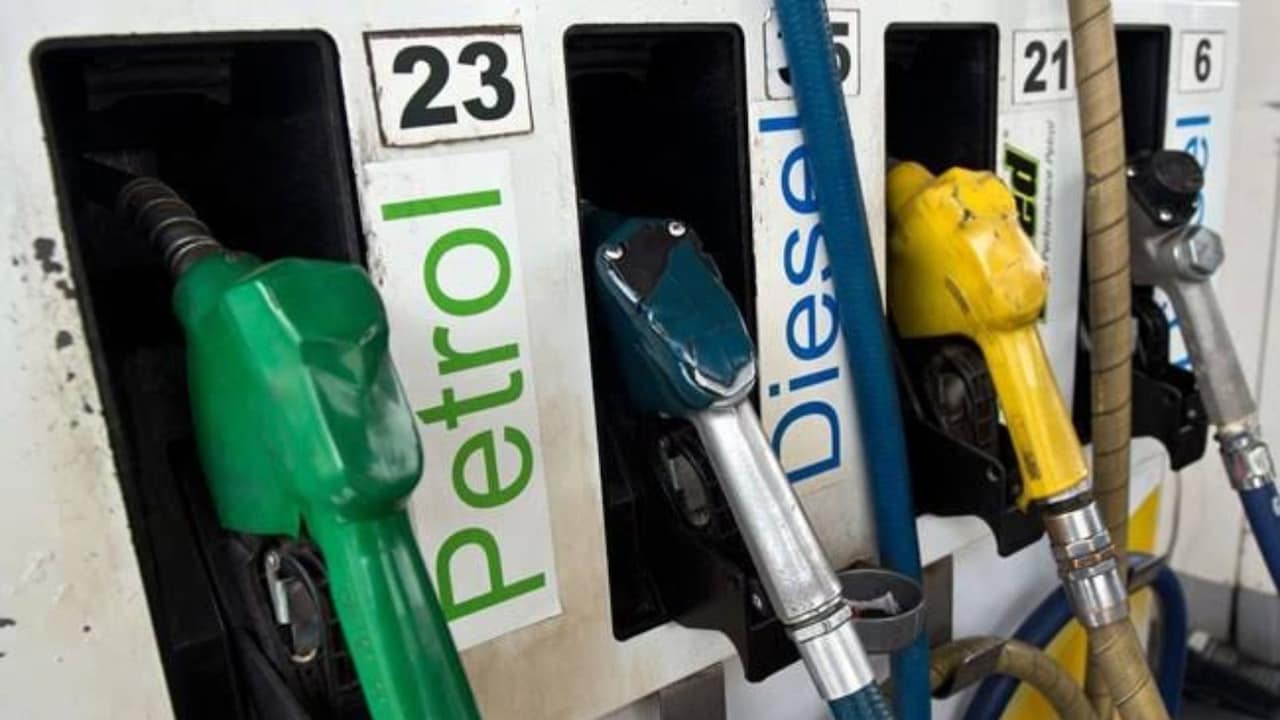
India's ethanol blending policy, launched in 2013, struggled to move beyond a 1.5% blend until recent reforms. The centre clarified that E20 cannot be priced below petrol, as doing so would erode the buffer against global oil price shocks.
Key Takeaways
- E20 cannot be priced cheaper than pure petrol
- Regular ethanol blending shields the economy from volatile oil prices
- Government targets 20% blend by 2025
India’s foray into ethanol‑based fuel began with a pilot project in 2001 and was formalised in the 2013 National Policy on Biofuels. For more than a decade the blend ratio hovered at a modest 1.5%, largely because production relied on seasonal sugarcane harvests.
Policy Shift and Fiscal Logic
In 2022‑23 the government announced an ambitious 20% ethanol‑petrol blend (E20). However, officials stressed that the price of E20 cannot be set lower than that of pure petrol. The core reason lies in India’s two‑tier tax regime: ethanol attracts customs duties while petrol is subject to excise duties. Offering E20 at a lower price would erode fiscal revenue, jeopardising public‑finance stability.
Shield Against Global Oil Shocks
The principal advantage of E20 is its ability to reduce dependence on imported crude oil, thereby insulating the economy from sudden spikes in international oil markets. When global oil prices surge, ethanol‑based fuel provides a more predictable cost base, preventing abrupt hikes in manufacturing and transport expenses—a critical buffer for both industry and consumers.
Future Roadmap and Challenges
The government aims to boost ethanol production capacity to 10 million tonnes within the next two years, targeting the 20% blend by 2025. New policies also encourage second‑generation feedstocks such as corn‑based ethanol, wheat straw, and waste‑derived bio‑fuels. Nonetheless, seasonal supply constraints, price volatility, and ensuring farmer participation remain formidable challenges.
Expert Opinions
Energy analyst Dr. Rakesh Mehta warns, “Pricing E20 below petrol would force the government to shoulder massive subsidies, crowding out other social programmes. Maintaining price parity is essential for fiscal prudence.” Agricultural representatives echo the need for stable procurement contracts and minimum price guarantees to win farmer confidence.


