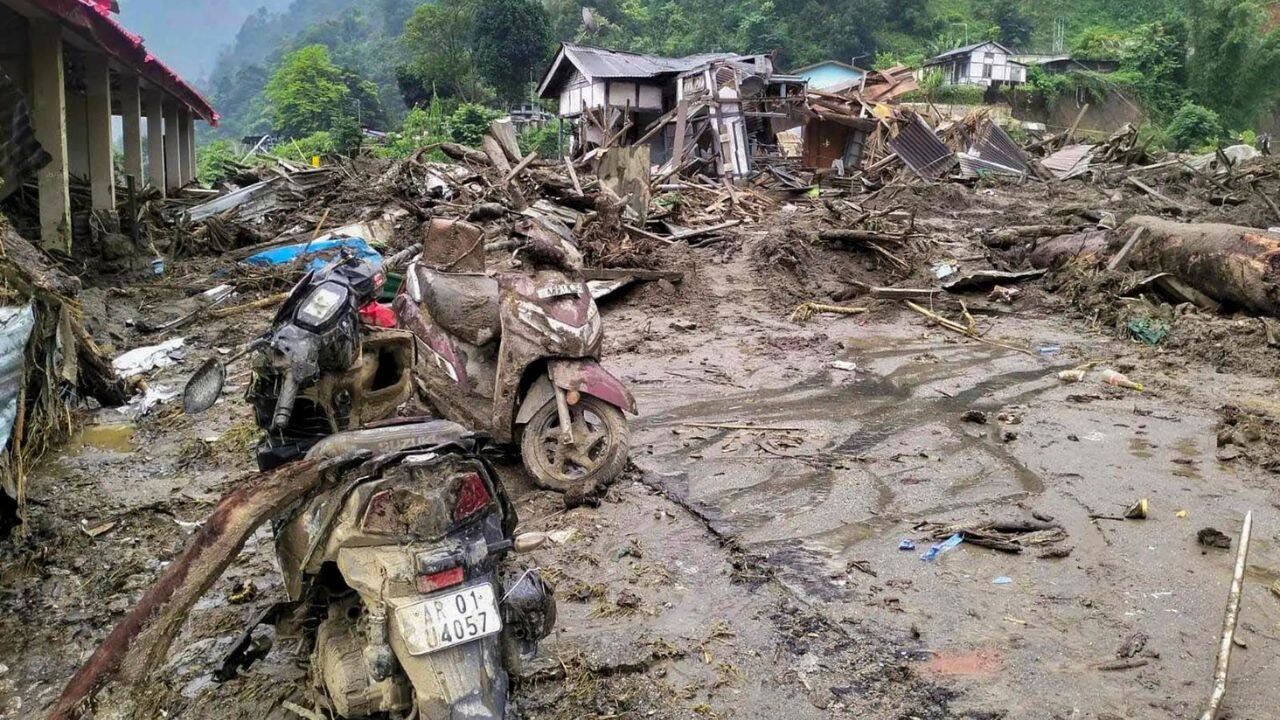
Monsoon-driven floods in Assam have impacted more than 48,500 residents, submerging 179 villages and damaging thousands of hectares of farmland. Government agencies are mobilising resources for rescue and rehabilitation as infrastructure crumbles under rising waters.
Key Takeaways
- Over 48,500 people affected by floods in Assam
- 179 villages submerged, 2,117 hectares of agricultural land damaged
- State government mobilising all resources for relief and rehabilitation
The Brahmaputra’s annual flood season has once again turned life in India’s Northeast into a disaster zone. Bhupen Hazarika’s 1968 poem about the “mad torrents of the Luit” remains eerily relevant, capturing the river’s dual capacity to nurture and devastate. Each summer, the southwest monsoon swells the river, forces it to change course, and reminds millions living along its banks that nature can be both generous and unforgiving.
Current Flood Situation
According to the Assam State Disaster Management Authority (ASDMA), districts of Dhemaji, Dibrugarh, Biswanath and Nalbari report a combined 48,500 affected individuals. Dhemaji bears the brunt with more than 44,000 residents displaced, while Dibrugarh and Biswanath also record extensive damage. So far, 179 villages are underwater and over 2,117 hectares of cropland have been washed away, striking at the heart of agrarian livelihoods.
Economic and Social Impact
Beyond homes and fields, the floods have endangered more than 82,000 domestic animals and poultry, compounding the crisis for rural families dependent on livestock for income. Damage to roads, bridges, embankments and other public works has disrupted connectivity across several districts, hampering relief logistics and everyday commerce.
Government Response and Challenges
Chief Minister Himanta Biswa Sarma pledged to accelerate relief operations, especially in Dhemaji. He affirmed that “all available resources are being mobilised to prioritise immediate safety and long‑term rehabilitation.” Meanwhile, the Northeast Frontier Railway reported suspension of train services between Archipathar and Simen Chapari after severe riverbank erosion destabilised a bridge pier, further isolating affected communities.
Looking Ahead
Experts warn that climate change is amplifying monsoon variability, making flood‑prone regions increasingly vulnerable. Strengthening drainage infrastructure, establishing real‑time warning systems, and fostering community‑led disaster preparedness are essential to transition from reactive relief to proactive resilience.

