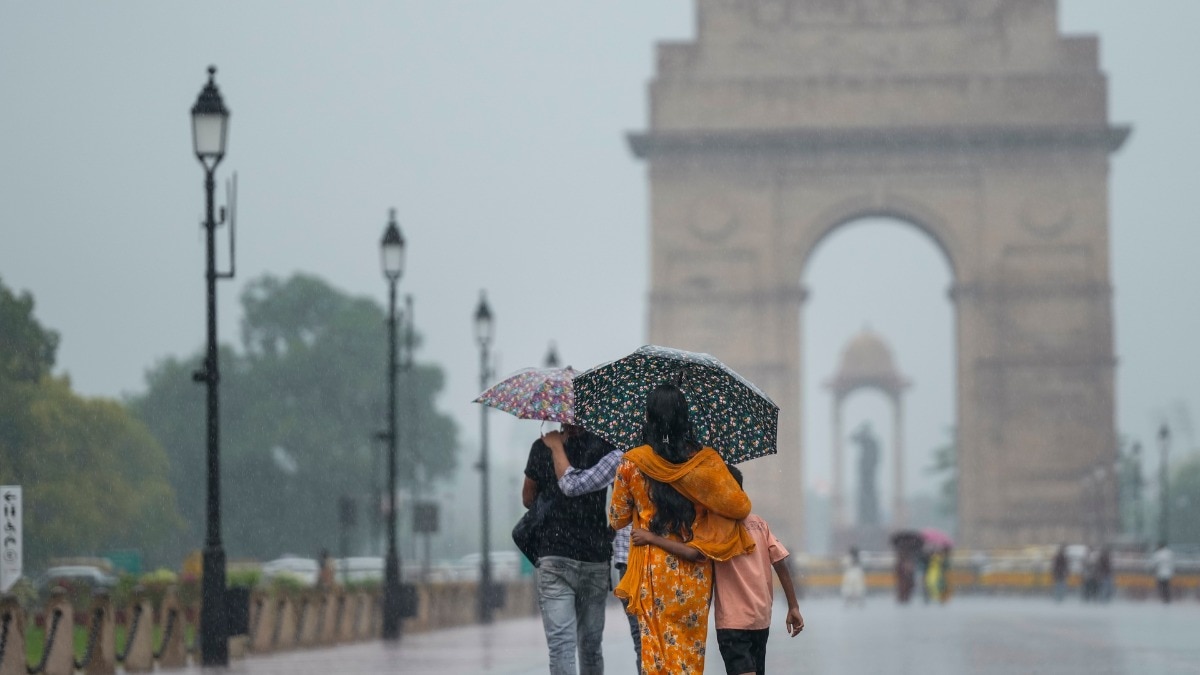
A sudden downpour hit Delhi-NCR after a fierce dust storm, providing brief respite from the scorching temperatures and high humidity. Meteorologists suggest the event may signal shifting seasonal patterns linked to climate change.
Key Takeaways
- Light rain arrived shortly after a severe dust storm in Delhi-NCR
- Temperatures hovered around 38‑40°C, but high humidity intensified discomfort
- Experts view the sequence as an early sign of seasonal shift and possible climate‑change impact
Over the past 48 hours, the Delhi‑National Capital Region was engulfed by a powerful dust storm that sharply reduced visibility and disrupted daily life. The subsequent light rain, though brief, has attracted significant attention from both weather forecasters and city residents seeking relief from the oppressive heat.
Background on the Dust Storm
Dust storms are a seasonal hallmark of northern India during the pre‑monsoon months, driven by intense surface heating and resulting pressure gradients. In this instance, strong winds lofted fine particulate matter across the metropolitan area, causing traffic snarls and heightening respiratory concerns. Researchers note that spikes in airborne dust often coincide with unusually high temperatures and a dearth of rainfall.
Sudden Onset of Rainfall
Within roughly two hours of the dust event, scattered showers began, bringing a modest temperature dip of about two degrees Celsius. The Indian Meteorological Department (IMD) attributes the rain to early south‑west monsoon currents that are now edging into the capital’s airspace. While the precipitation was limited, it temporarily eased the sweltering humidity that had made outdoor conditions nearly unbearable.
Potential Climate‑Change Implications
Scientists are interpreting this erratic weather pattern as a possible manifestation of climate change. The conjunction of soaring heat, irregular rain, and intensified dust storms points to a shifting climatic regime in the region. If the trend continues, Delhi could face more extreme heatwaves, water stress, and heightened public‑health risks.
Local Response and Future Preparedness
City officials promptly initiated drainage clearing and street‑cleaning operations, while health agencies stocked respiratory relief medication for vulnerable populations. Citizens have been urged to stay hydrated, avoid outdoor exertion during peak heat, and wear masks when dust exposure is high. Long‑term, experts emphasize the need for more precise forecasting tools and climate‑resilient infrastructure to mitigate future weather volatility.


