From Angel Falls in Venezuela to Norway's Vinnufossen, the planet’s highest waterfalls showcase breathtaking height and ecological significance. This article explores their geography, environmental impact, and why they matter to adventure travelers.
मुख्य बिंदु (Key Takeaways)
- Angel Falls (979 m) remains the world’s highest uninterrupted waterfall.
- Tugela Falls (411 m) is often debated as the tallest, highlighting measurement challenges.
- Norway’s Vinnufossen and Balåifossen dominate Europe’s high‑waterfall rankings.
Waterfalls have long fascinated explorers, photographers, and ecologists alike. While many are celebrated for their width or sheer water volume, a select few command attention solely because of their staggering vertical drop. This piece delves into the seven tallest waterfalls on the planet, unpacking their geological settings, ecological roles, and the growing allure they hold for adventure‑seeking tourists.
1. Angel Falls, Venezuela
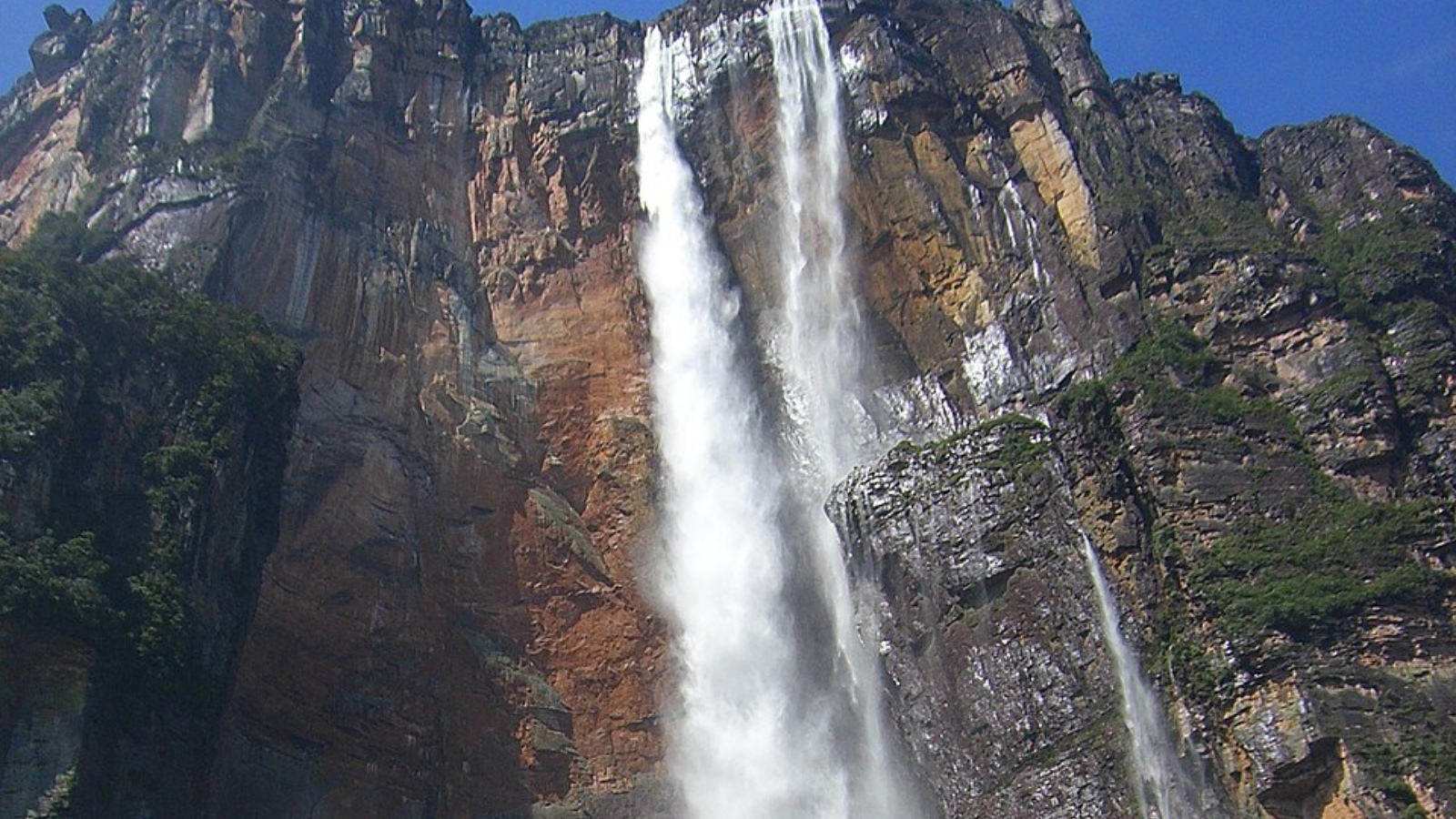
At 979 metres (3,212 feet), Angel Falls claims the title of the highest uninterrupted waterfall on Earth. Nestled in Canaima National Park, it plunges from the summit of Auyán‑tepui, a classic tabletop mountain that dominates the Venezuelan landscape. Indigenous lore once described the cascade as a celestial river, underscoring its cultural resonance. Ecologically, the surrounding cloud forest harbors numerous endemic species, making the area a high‑priority conservation zone.
2. Tugela Falls, South Africa
Located within the Drakensberg range, Tugela Falls boasts a cumulative drop of roughly 411 metres (1,350 feet). Comprising a series of tiered cascades, the falls have sparked ongoing debates about whether they surpass Angel Falls when measured by total height versus single‑drop height. The surrounding basalt cliffs offer some of the most rewarding hiking vistas in southern Africa, yet shifting rainfall patterns linked to climate change are already altering its flow regime.
3. Tres Hermanas Falls, Peru
Often called “Three Sisters,” this remote waterfall descends about 914 metres (2,999 feet) through Peru’s dense cloud forests. Its secluded location inside a protected national park limits visitor numbers, preserving its pristine condition. The surrounding ecosystem supports a rich tapestry of endemic flora and fauna, reinforcing the need for strict protection measures.
4. Olo‘upena Falls, United States
Perched on the Hawaiian island of Molokai, Olo‘upena Falls drops close to 900 metres (2,953 feet) from one of the world’s tallest sea cliffs. Accessibility is limited; most observers view it from the air or by boat, lending it an aura of mystery. Its water source is largely marine‑influenced, creating a unique blend of salt‑laden mist and freshwater spray that shapes a distinct micro‑habitat.
5. Yumbilla Falls, Peru
At approximately 896 metres (2,940 feet), Yumbilla stands as one of Peru’s most impressive natural assets. The waterfall features multiple tiers surrounded by lush vegetation, attracting increasingly adventurous trekkers. Recent tourism initiatives have highlighted Yumbilla as an emerging destination, promising economic benefits for nearby communities while raising questions about sustainable visitor management.
6. Vinnufossen, Norway
Europe’s tallest waterfall, Vinnufossen, descends about 860 metres (2,822 feet) down a western Norwegian mountainside. Fed by the Vinnufonna glacier, its flow swells during summer melt, delivering spectacular visual power. Glaciological studies warn that diminishing ice reserves could curtail the waterfall’s volume over the coming decades, underscoring the broader implications of global warming.
7. Balåifossen, Norway
Close behind Vinnufossen, Balåifossen drops roughly 850 metres (2,789 feet). The waterfall becomes especially treacherous after heavy rains or during the spring thaw, when water surges through narrow cliffside channels. This volatility demands heightened safety protocols for hikers and underscores the dynamic relationship between geology and hydrology in alpine settings.
Beyond their visual grandeur, these waterfalls serve as vital indicators of regional climate health and water resource dynamics. Preserving them requires coordinated international conservation strategies, responsible tourism frameworks, and ongoing scientific monitoring to ensure that future generations can continue to marvel at these natural skyscrapers.