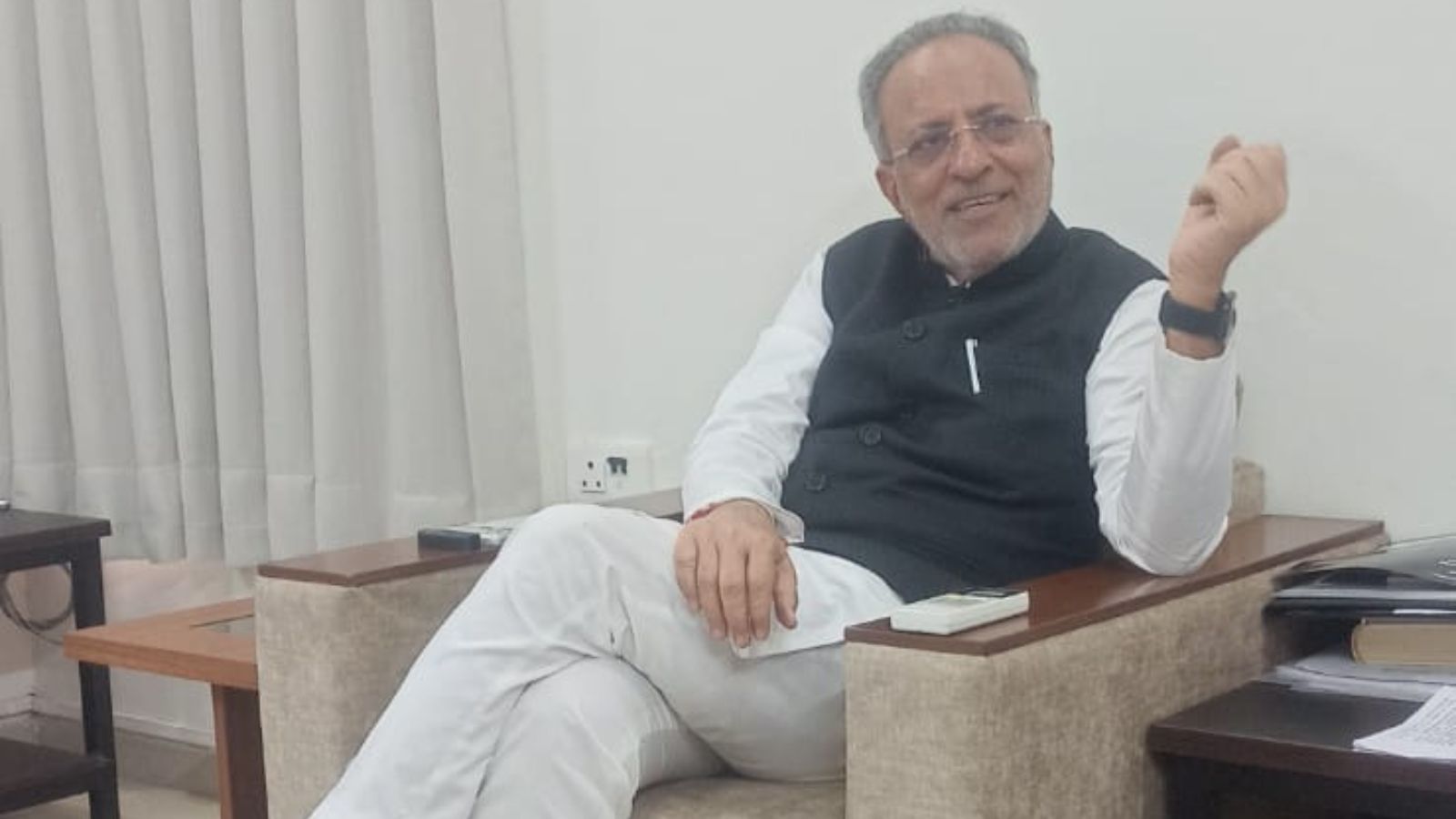
Severe rainfall deficits and soaring temperatures have wiped out roughly 80% of sown crops across several districts. Deputy Chief Minister G. Parameshwara has appealed to the Union Home Minister to label the drought as a national calamity and unlock targeted relief.
मुख्य बिंदु (Key Takeaways)
- Approximately 80% crop loss reported in Karnataka
- Deputy CM G. Parameshwara seeks national‑level disaster declaration
- Calls for using FRUITS database instead of outdated 2015‑16 Census for aid eligibility
Deputy Chief Minister G. Parameshwara has written to Union Home Minister Amit Shah, urging that the ongoing drought in Karnataka be declared a “calamity of national significance.” He argues that such a designation would enable swift mitigation measures, protect vulnerable farming communities, and ensure that central assistance matches the scale of the emergency.
Monsoon Deficit and Crop Impact
The southwest monsoon has fallen dramatically short of normal levels. In June, Karnataka recorded a 42% rainfall deficit, while the Kalyana Karnataka region lagged at 36%. The shortfall persisted into July, pushing the state‑wide deficit to roughly 34%, with Bengaluru itself experiencing a similar shortfall. Preliminary assessments indicate that nearly 80% of the sown crop in the hardest‑hit areas has been lost due to inadequate rain and persistently high temperatures.
Geographic Spread of the Crisis
District‑wise deficits are stark: Vijayanagara (61%), Mysuru (55%), Kodagu (51%), Chikkamagaluru (48%), Davangere (47%), Haveri (46%), Shivamogga (44%), Kalaburagi (43%), Dakshina Kannada (43%) and Bidar (40%). This wide‑ranging shortfall underscores a multi‑zone agricultural emergency, compounded by poor groundwater recharge and intensified extraction.
Data Gaps and Policy Recommendations
Parameshwara highlighted that reliance on the 2015‑16 Agriculture Census understates the true number of small and marginal farmers. The state’s FRUITS (Farmer Registration and Unified Beneficiary Information System) platform, which is Aadhaar‑linked and continuously updated, shows that about 83% of Karnataka’s agricultural holdings now belong to small and marginal farmers—far higher than the 43.94% indicated by the old census. He urged the Centre to adopt FRUITS data for NDRF assistance calculations to avoid excluding deserving beneficiaries.
Looking Ahead: National Response Needed
If the monsoon does not recover, Karnataka plans to submit a Drought Memorandum for the current season. Aligning the Drought Manual, 2020 with existing SDRF/NDRF norms, and granting national‑level disaster status, could unlock critical financial flows, stabilize rural water supplies, and safeguard food security across the state.