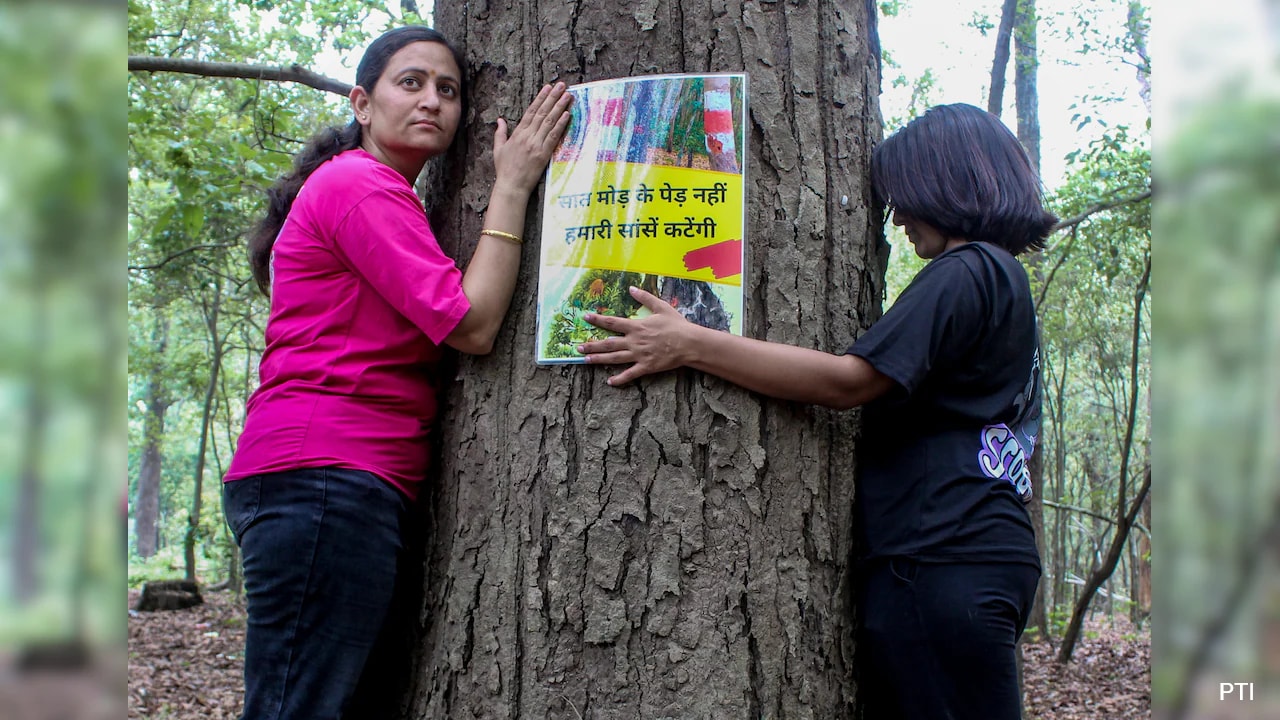
Intense citizen-led protests against tree felling for the Rishikesh-Bhaniyawala National Highway have forced the government to halt construction activities.
Key Takeaways
- Protests erupted against tree felling for the Rishikesh-Bhaniyawala National Highway widening.
- Citizen-led eco-rebellion forced the government to halt chainsaw operations.
- The movement mirrors the historical legacy of the Chipko Movement.
- Concerns over ecological stability in the Himalayan region are at an all-time high.
The chainsaws have finally fallen silent in the hills of Uttarakhand. Following a fierce, citizen-led eco-rebellion, the state government has been forced to backtrack on its decision to fell trees for the proposed widening of the Rishikesh-Bhaniyawala National Highway. The local population, driven by the fear of increasing natural disasters, has mobilized to protect their fragile ecosystem.
A Legacy Reborn: The Chipko Spirit
This resurgence of activism is not merely a local grievance but a profound echo of the historic Chipko Movement. Originating in the 1970s, the Chipko movement became a global symbol of non-violent ecological resistance. Today, as the Himalayan region faces unprecedented threats from climate change and unregulated construction, the people of Uttarakhand are once again standing as the first line of defense for their mountains.
The survival of the Himalayan ecosystem depends on the delicate balance between infrastructure needs and ecological preservation.
Why This Matters (इसके मायने क्या हैं)
BozokMedia analysis shows that this movement signifies a shift in public consciousness regarding 'development.' It is no longer enough for the state to prioritize connectivity at any cost. If the geological integrity of the Himalayas is compromised by aggressive road widening, the resulting landslides and flash floods will cause catastrophic socio-economic damage far outweighing the benefits of a faster highway.
Furthermore, this uprising highlights the growing power of grassroots environmentalism. It serves as a warning to policymakers that the social license to operate in ecologically sensitive zones must be earned through sustainable practices and community consultation, rather than imposed through top-down mandates.
Historical Background
Uttarakhand has a storied history of environmental activism. The original Chipko Movement, which saw villagers—primarily women—hugging trees to prevent them from being felled, laid the groundwork for modern environmental policy in India. The current protests against the Rishikesh-Bhaniyawala expansion are a direct continuation of this legacy, driven by the urgent need to mitigate disaster risks in a high-altitude terrain.
| Aspect | Traditional Development Approach | Sustainable Development Approach (Public Demand) |
|---|---|---|
| Primary Goal | Rapid Infrastructure Expansion | Ecological Balance and Safety |
| Environmental Impact | Massive deforestation and landslide risk | Minimal intervention and reforestation |
| Public Engagement | Top-down, government-led | Bottom-up, community-driven |
Frequently Asked Questions (अक्सर पूछे जाने वाले प्रश्न)
Question 1: Why are people protesting in Uttarakhand?
Answer: Citizens are protesting against the large-scale felling of trees required for the widening of the Rishikesh-Bhaniyawala National Highway.
Question 2: Has the government responded to the protests?
Answer: Yes, due to intense public pressure and the scale of the eco-rebellion, the government has halted the tree-cutting activities.

