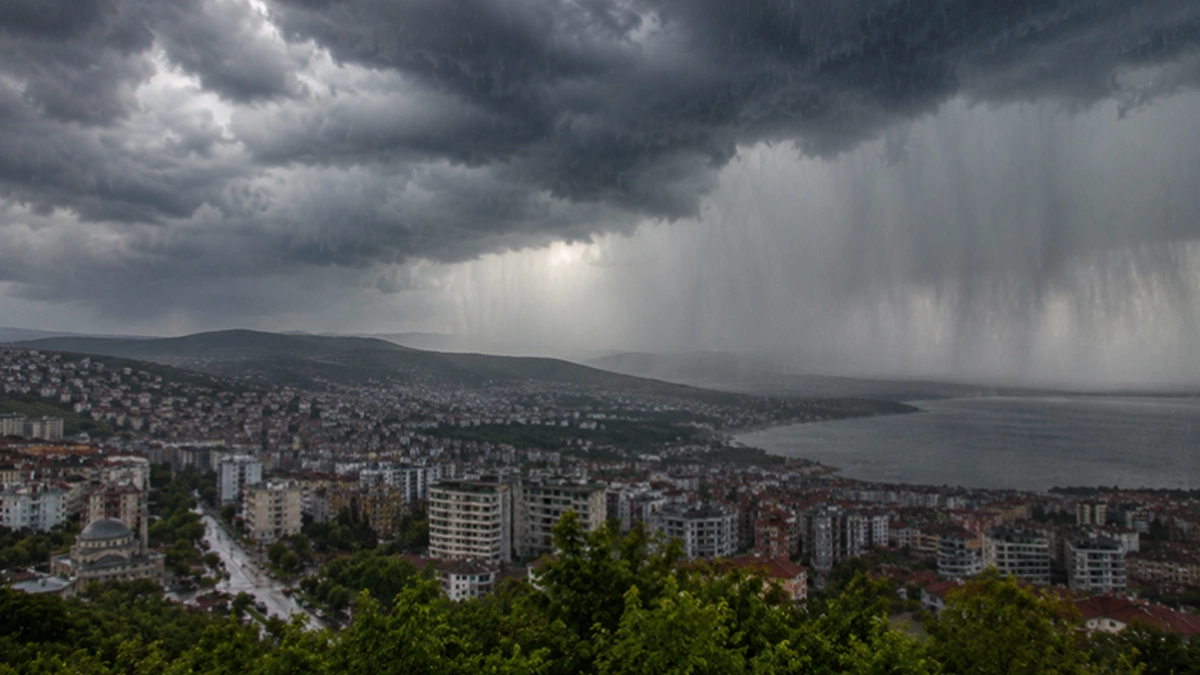
From July 23, 2026, Balıkesir will see a sudden 4‑5°C temperature drop, while heavy showers are forecast for the Kazdağları and coastal zones. Farmers and drivers are urged to take precautionary measures amid the changing weather.
Key Takeaways
- Temperatures expected to fall by 4‑5°C across Balıkesir
- Intense local showers predicted around Kazdağları and coastal areas
- Farmers and drivers advised to adopt safety measures
Starting Thursday, July 23, 2026, the weather across Balıkesir province is set to shift dramatically. Meteorological data indicate that a cool, moist air mass moving in from the Balkans will cause temperatures to plunge by up to five degrees Celsius in a single night, especially in districts such as Altıeylül, Karesi, Bandırma, Edremit, Ayvalık and Burhaniye, where extreme heat was recorded earlier this week.
Experts warn that the unstable atmospheric conditions will trigger localized downpours and thunderstorms, particularly around the Kazdağları mountains, the coastal belt, rural villages, and higher elevations. These short‑lived but intense showers could reduce visibility and create water‑logged road sections.
Historical Background
Balıkesir, situated on the western coast of Turkey, lies within a Mediterranean climate zone characterized by hot, dry summers and mild, wet winters. Historically, a gradual cooling in early autumn is normal, but the abrupt temperature drop this year is atypical. Similar rapid shifts were recorded only a few times in the past five decades, making the current warning noteworthy for both residents and authorities.
Why This Matters
According to BozokMedia analysis, the sudden temperature decline coupled with heavy rain can disrupt agricultural output. Crops nearing harvest may suffer frost damage, driving up market prices and squeezing farmers' incomes. Moreover, the rain‑slickened roads increase stopping distances, raising the risk of traffic accidents, especially in rural zones where emergency services are limited.
For the broader economy, any delay in harvest or transport can affect supply chains, potentially leading to short‑term price volatility in the region’s produce markets. Prompt public advisories and community preparedness are therefore essential to mitigate economic and safety repercussions.
"Rapid weather swings can trigger both agricultural losses and traffic hazards; early warnings are vital to protect livelihoods and lives."
Frequently Asked Questions
- Will the rain damage crops? Farmers should employ protective coverings and improve drainage to minimize potential losses.
- What should drivers do? Reduce speed, increase braking distance, and ensure tires are in good condition during the showers.


