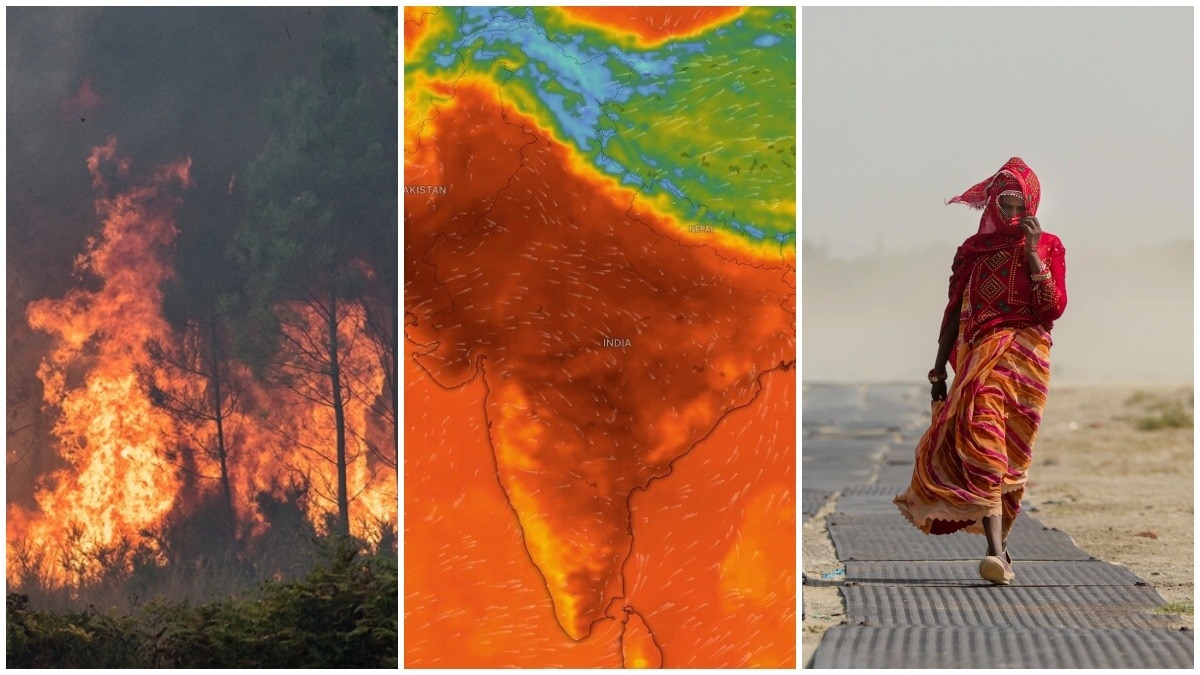
Despite a weak monsoon and a mega El Niño, 2026 will not claim the title of the hottest year. Experts now point to 2027 as the new temperature apex, reshaping climate risk outlooks worldwide.
Key Takeaways
- 2026 is unlikely to be the hottest year on record.
- A mega El Niño in 2027 will push global temperatures to new highs.
- Weak monsoon patterns will intensify water and agricultural stress.
Current Climate Landscape
The World Meteorological Organization (WMO) reports that 2026’s average temperature will sit below the historic peak, while 2027 is expected to surge due to an unprecedented El Niño event. The combination of a subdued South Asian monsoon and anomalously warm Pacific waters drives this shift.
Impact of El Niño and Monsoon
El Niño, a naturally occurring climate phenomenon, raises global temperatures. The projected “mega El Niño” for 2027 will exacerbate the already weak monsoon, curtailing rainfall across the Indian subcontinent and amplifying heat stress on agriculture, water supplies, and energy demand.
Why This Matters
BozokMedia analysis shows that the shift from 2026 to 2027 as the hottest year reshapes climate risk assessments for governments and corporations, prompting urgent revisions in mitigation strategies.
"The 2027 heat spike will not only break records but also usher in a new era of adaptation challenges," says Dr. Anita Rao, climate scientist.
Historical Background
In the past two decades, only two El Niño episodes have pushed global temperatures beyond +0.5 °C: the 1997‑98 and 2015‑16 events. Both demonstrated that when a strong El Niño coincides with a weak monsoon, the combined impact can be devastating for food security and water resources.
| Year | Average Global Temp (°C) | El Niño Status |
|---|---|---|
| 2025 | +0.9 | Neutral |
| 2026 | +0.8 | Weak |
| 2027 | +1.2 | Mega El Niño |
Frequently Asked Questions
Question 1: Will the extreme heat of 2027 affect agriculture?
Answer: Yes, reduced monsoon rainfall combined with higher temperatures can lower crop yields, raising food‑security concerns.
Question 2: Will this shift influence climate policy?
Answer: Experts believe governments and international bodies will accelerate adaptation and mitigation measures in response.