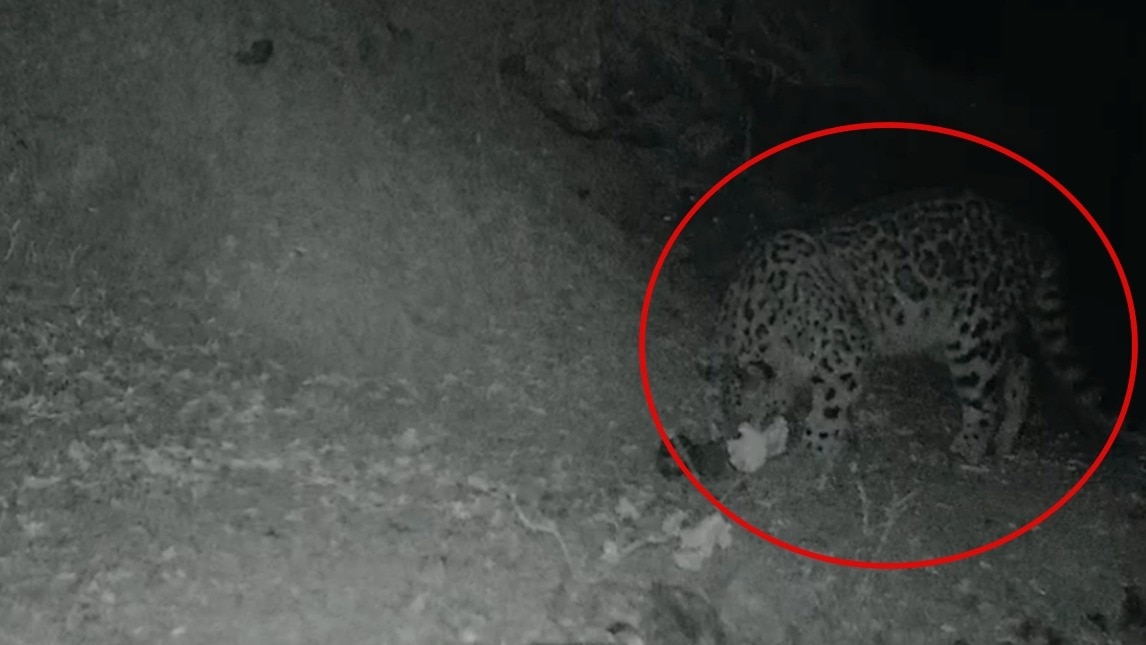
In a groundbreaking wildlife discovery, the elusive Snow Leopard, often called the 'Ghost of the Mountains,' has been sighted in the Dhauladhar Sanctuary for the very first time.
Key Takeaways
- First-ever sighting of a Snow Leopard in Dhauladhar Sanctuary.
- The discovery confirms a healthy high-altitude ecosystem.
- Significant milestone for Himalayan wildlife conservation.
A monumental discovery has sent shockwaves through the scientific and wildlife communities. The Snow Leopard, famously known as the 'Ghost of the Himalayas', has been spotted in the Dhauladhar Sanctuary for the first time. This rare sighting marks a turning point for biodiversity monitoring in the region.
A Landmark Ecological Milestone
The Snow Leopard is notoriously difficult to track due to its incredible camouflage and the rugged terrain it inhabits. Its presence in the Dhauladhar range suggests that the sanctuary provides an ideal habitat with sufficient prey density to support such a high-level predator. Forest Department officials are currently analyzing camera trap footage and tracks to confirm the extent of their population.
Why This Matters
BozokMedia analysis shows that the presence of an apex predator like the Snow Leopard is a biological indicator of a thriving ecosystem. It suggests that the lower levels of the food chain, including herbivores like Blue Sheep, are stable and abundant in this specific corridor.
The sighting of a Snow Leopard in Dhauladhar is a testament to the resilience of Himalayan wildlife and the critical need for habitat protection.
Historical Background: Historically, the Dhauladhar range has been more closely associated with other fauna, making this sudden appearance of the 'Ghost' a scientific anomaly that requires immediate investigation into migration patterns and climate impact.
Frequently Asked Questions
Question 1: Why are Snow Leopards called 'Ghosts'?
Answer: Because of their ability to blend almost perfectly into the rocky, snowy landscape, making them nearly invisible.
Question 2: Is the Dhauladhar Sanctuary safe for wildlife?
Answer: While it is a protected area, the new sighting highlights the need for increased surveillance against poaching.

