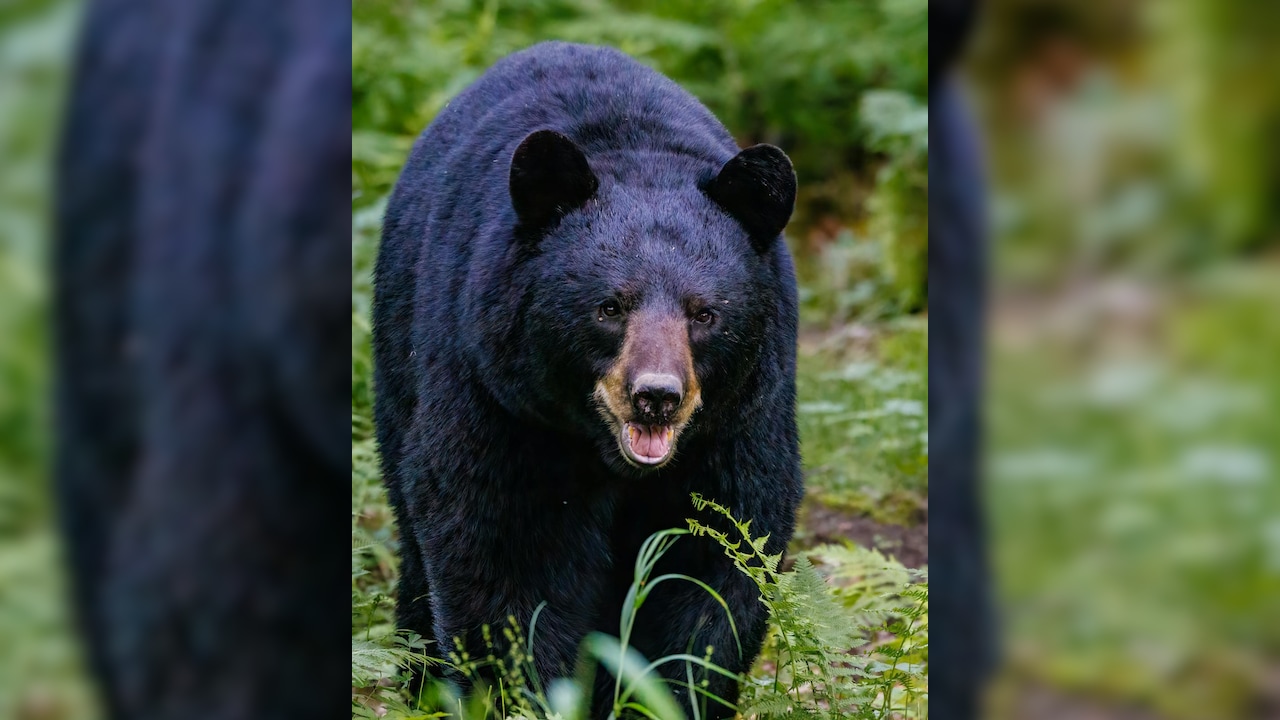
In Kanker district, Chhattisgarh, a wild bear killed two siblings and injured a third. Even after the attack, the bear lingered near the victims, continuing to claw at the bodies.
Key Takeaways
- Two siblings were killed by a bear
- A third person was injured
- The bear stayed near the bodies after the attack
In the dense forests of Kanker district, Chhattisgarh, a wild bear launched a sudden lethal assault on siblings Rakesh (23) and Savita (19). Both were rushed to the nearest hospital, but their injuries proved fatal and they died on site.
The bear also mauled a third sibling, Aman (27), who sustained severe injuries. Prompt medical attention saved his life, though he remains in critical condition.
Remarkably, the bear remained at the scene, repeatedly clawing at the bodies of the deceased, heightening fear and anger among locals. Forest officials have sealed off the area and deployed a specialized capture team.
Historical Background
Chhattisgarh has recorded multiple bear incidents over the past five years. Despite conservation efforts, human‑bear conflicts are on the rise, intensifying safety concerns for nearby communities.
Why This Matters
BozokMedia analysis shows that human‑bear encounters not only cause loss of life but also disrupt ecological balance. This incident underscores the urgent need to reassess forest‑management policies.
"Encroachment into bear habitats is driving these deadly confrontations," says Dr. Anil Kumar, wildlife specialist.
Frequently Asked Questions
Question 1: Can the bear be captured?
Answer: The forest department has deployed a team, but capturing a wild bear is challenging and risky.
Question 2: What safety measures should locals adopt?
Answer: Avoid entering forests at night, secure food supplies, and follow official forest department guidelines.


