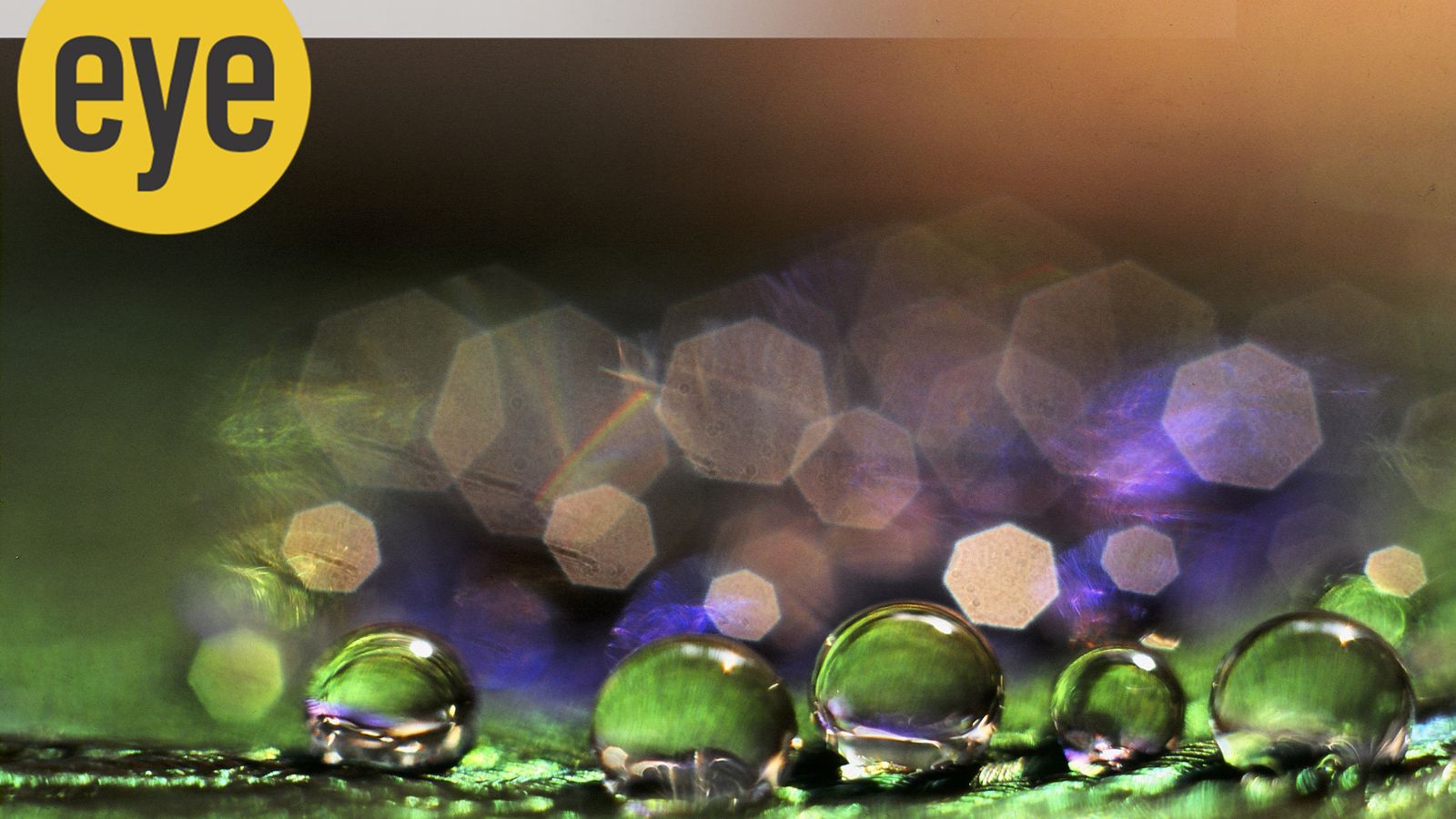
Water is the fundamental catalyst for all existence on Earth, yet human negligence is turning this elixir into a source of destruction. Explore the fragile balance of our planet's most precious resource.
Key Takeaways
- Human survival is tied to water; losing just 2-3% of body water can lead to death.
- Only 3% of global water is fresh, much of which is locked in polar ice caps and glaciers.
- Pollution from plastics and heavy metals has turned major rivers into open sewers.
- Human interference with river basins and deforestation amplifies the destructive power of water.
Water is more than just a combination of hydrogen and oxygen; it is the very essence of life. From the microscopic plankton to the towering redwoods, every biological entity depends on it. Ranjit Lal highlights that our bodies are predominantly water—60% overall, with the brain and heart exceeding 70%. While we can survive weeks without food, water is a necessity that cannot be ignored for more than a few days.
The Cycle of Life and Human Greed
The journey of water from the frozen peaks of the Himalayas to the vast oceans is a miracle of nature. This cycle sustains wildlife, where the desperation for water often overrides the predator-prey instinct, forcing lions and deer to drink side-by-side. However, this delicate system is under siege. We have treated our rivers as dumping grounds for toxic chemicals, oil, and plastic, effectively poisoning the veins of the earth.
Why This Matters: BozokMedia Analysis
BozokMedia analysis shows a dangerous cognitive dissonance in how we perceive water. In India, rivers like the Ganges are worshipped as deities, yet they are subjected to extreme pollution. By damming rivers and encroaching upon basins, we are not 'managing' water but rather provoking it. When the natural flow is disrupted, water transforms from a nurturer into a weapon of mass destruction, manifesting as catastrophic floods.
"The irony of modern civilization is that we value water only when the tap runs dry or the flood arrives at our doorstep."
Despite the grim reality, water remains a source of unparalleled beauty—from the 'guttation' of dew on leaves to the crystalline stillness of a mountain lake. Its unique ability to act as a universal solvent allows it to transport oxygen and nutrients through our circulatory systems, making it the ultimate medium of life.
Frequently Asked Questions
Q1: Why is fresh water so scarce despite the Earth being 70% water?
A: Most of the Earth's water is saline (oceans), and a significant portion of the 3% fresh water is trapped in glaciers and ice caps.
Q2: How does deforestation affect the water cycle?
A: Forests act as sponges that regulate water flow; removing them leads to rapid runoff, soil erosion, and an increase in flash floods.

