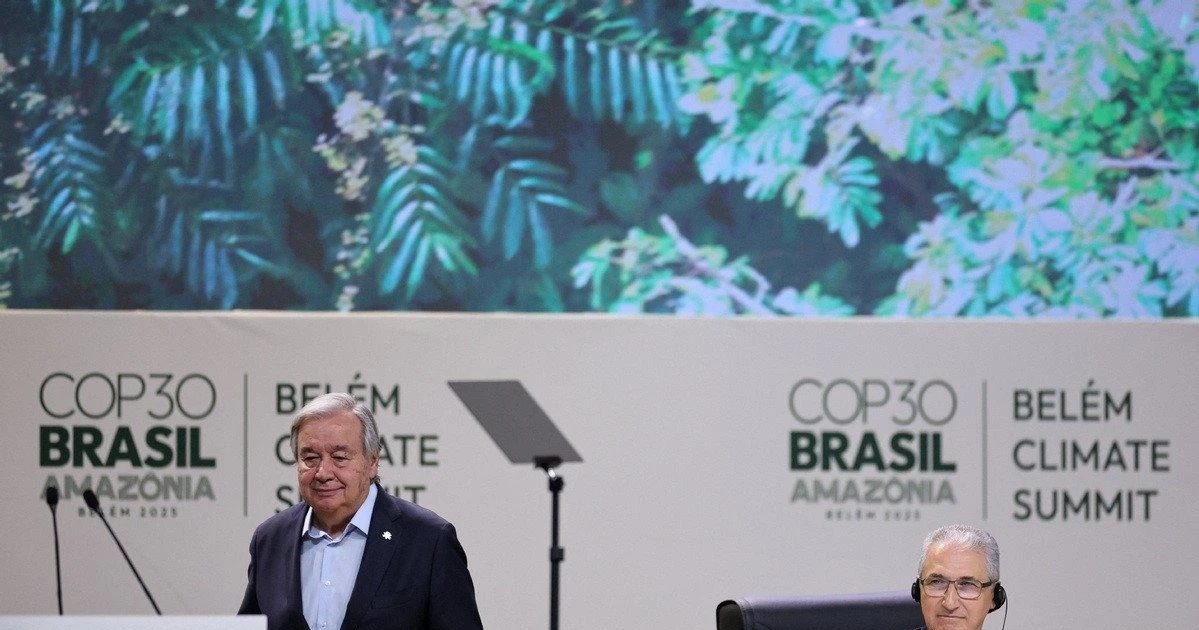
The World Meteorological Organization (WMO) has confirmed the formation of El Niño, which is expected to intensify into a 'Super El Niño,' triggering extreme weather worldwide.
Key Takeaways
- WMO confirms El Niño formation with potential for intensification.
- Climate models predict a 'Super El Niño' event.
- Risks include severe droughts in Asia/Africa and floods in South America.
- UN calls for urgent global response and early warning systems.
The World Meteorological Organization (WMO) has officially confirmed that El Niño has developed and is likely to intensify in the coming months. With climate models predicting the emergence of a 'Super El Niño', the United Nations has issued an urgent plea to nations to implement immediate response measures to mitigate widespread damage.
A Growing Global Crisis
UN Secretary-General Antonio Guterres stated that the probability of El Niño persisting until the end of the year is extremely high, potentially exacerbating the effects of global warming. Supporting this, Yale University climatologist Zeke Hausfather noted that current models suggest this cycle could be the most intense since records began, surpassing previous predictions.
This phenomenon could trigger a sudden spike in global temperatures and disrupt weather patterns on a planetary scale.
The implications are diverse and dangerous. While South American nations face the threat of devastating floods and landslides, regions in Asia, Africa, and Australia are bracing for prolonged droughts, water scarcity, and significant agricultural failures.
Why This Matters: BozokMedia Analysis
BozokMedia analysis shows that the arrival of a Super El Niño acts as a 'threat multiplier.' It doesn't just change the weather; it stresses existing vulnerabilities in food security, energy grids, and water management systems, potentially leading to socio-economic instability in developing nations.
Global Preparedness and Responses
Countries are racing to implement contingency plans. Brazil has deployed thousands of additional firefighters to protect the Amazon, while India is strengthening its meteorological forecasting and agricultural insurance to protect its 1.4 billion citizens from monsoon volatility. Meanwhile, Panama is monitoring water levels crucial for the Panama Canal's operations.
| Region | Predicted Impact | Response Status |
|---|---|---|
| Southeast Asia | Severe Drought | Active Monitoring |
| South America | Floods & Landslides | Emergency Deployment |
| India | Monsoon Volatility | High Preparedness |
| Europe | Extreme Heatwaves | Ongoing Mitigation |
Frequently Asked Questions
1. What makes a 'Super El Niño' different?
A Super El Niño refers to an exceptionally strong El Niño event that causes much more extreme weather disruptions than a standard cycle.
2. How does it affect the economy?
By disrupting agriculture and shipping routes (like the Panama Canal), it can lead to higher food prices and supply chain delays globally.


