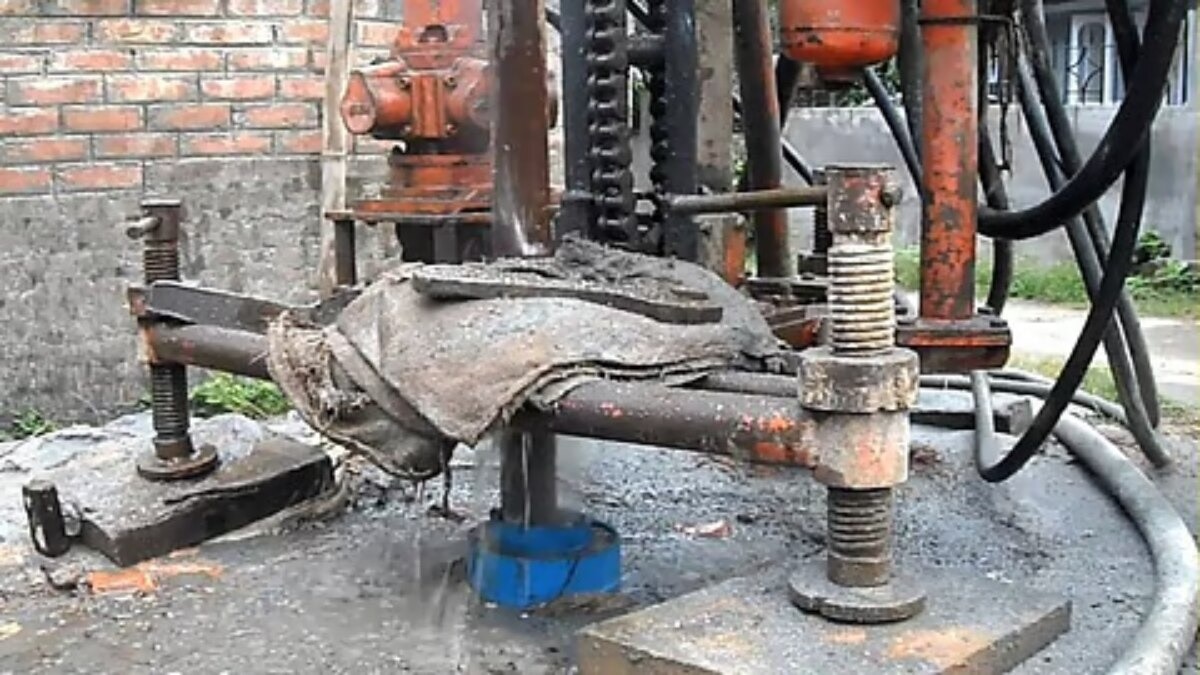
The National Green Tribunal (NGT) has issued a notice to the Delhi Jal Board, seeking a report within four weeks regarding alleged failures in rainwater harvesting and groundwater recharge protocols.
- NGT seeks a compliance report from DJB within four weeks.
- Allegations include improper placement of harvesting systems near drains.
- Failure to install piezometers and pollutants separators was highlighted.
- The next hearing is scheduled for October 27.
The National Green Tribunal (NGT) has taken a stern view of the alleged non-compliance with directives regarding rainwater harvesting and groundwater recharge in Delhi. A bench comprising Chairperson Justice Prakash Shrivastava and expert member Afroz Ahmad has granted the Delhi Jal Board (DJB) four weeks to submit a comprehensive report on these lapses.
The tribunal's action follows an execution application alleging that several authorities, including the Municipal Corporation of Delhi (MCD) and the Delhi Development Authority (DDA), have failed to adhere to critical environmental guidelines intended to protect the city's groundwater quality.
Why This Matters
BozokMedia analysis shows that the integrity of groundwater recharge is paramount for Delhi's long-term water security. If rainwater harvesting systems are installed near storm water drains, there is a significant risk of contaminants leaching into the underground aquifers, effectively poisoning the city's primary water source.
The allegations specifically point toward the failure to install piezometers—devices essential for monitoring underground water pressure—and the absence of separators designed to remove pollutants before the water enters the ground. Furthermore, the depth of recharge borewells is under scrutiny, with claims that many exceed the permitted five-meter threshold above the static water table.
Improperly managed rainwater harvesting systems can transform a solution into a major source of groundwater contamination.
The tribunal also noted concerns regarding the depth of recharge borewells, which are allegedly much deeper than the permitted level. Such deviations can disrupt the natural hydrogeological balance of the region.
Historical Background
Delhi has long been a focal point for water scarcity issues in India. Due to rapid urbanization and the massive extraction of groundwater for domestic and industrial use, the city's water table has plummeted. Over the years, the NGT has repeatedly stepped in to mandate rainwater harvesting to replenish these depleted aquifers, making the current compliance issue a matter of extreme urgency.
Frequently Asked Questions
1. What are the main allegations against the Delhi Jal Board?
The main allegations include installing harvesting systems near drains, failing to install monitoring equipment like piezometers, and improper borewell depths.
2. When is the next hearing for this case?
The NGT has scheduled the next proceedings for October 27.

