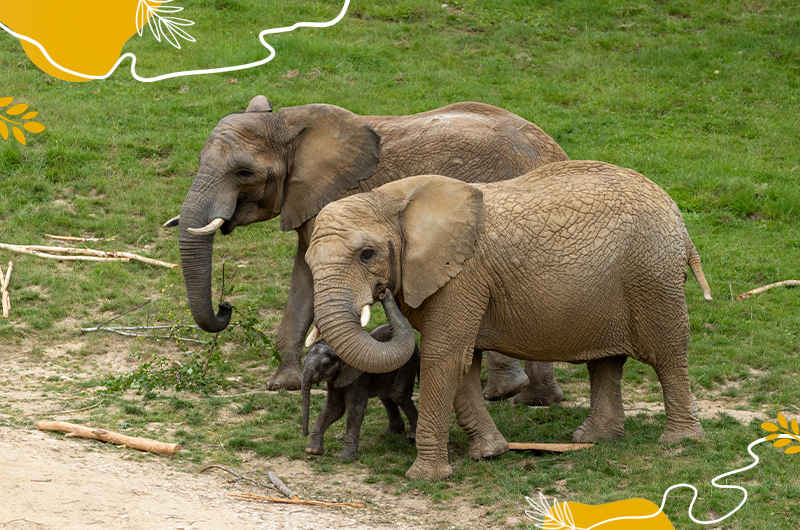
World Elephant Day highlights the critical need to protect elephants, the essential architects of our ecosystems, from poaching and habitat loss.
- Elephants act as 'ecosystem architects' by dispersing seeds and creating habitats.
- Three main species—African Savannah, African Forest, and Asian elephants—are under threat.
- Poaching, habitat fragmentation, and human-wildlife conflict are primary survival threats.
- Global initiatives like Beauval Nature are driving conservation and genetic research.
Celebrated every 12 August, World Elephant Day serves as a powerful reminder of our responsibility toward the largest land mammals on Earth. Elephants are far more than just iconic animals; they are the true architects of their ecosystems. By shaping landscapes, dispersing seeds, and creating habitats that support countless other species, they maintain the delicate balance of global biodiversity.
Three Species, Three Fragile Futures
The elephant family is not a monolith; it consists of three distinct species, all of which are currently facing existential threats. According to the IUCN Red List, the status of these giants is alarming:
- African Savannah Elephant (Loxodonta africana): The largest land animal, currently classified as 'Endangered'.
- African Forest Elephant (Loxodonta cyclotis): An elusive species inhabiting equatorial forests, classified as 'Critically Endangered'.
- Asian Elephant (Elephas maximus): Found across India and Southeast Asia, also listed as 'Endangered'.
| Species Name | Primary Habitat | IUCN Status |
|---|---|---|
| African Savannah Elephant | Savannah Grasslands | Endangered |
| African Forest Elephant | Equatorial Forests | Critically Endangered |
| Asian Elephant | Asian Forests/Plains | Endangered |
Why This Matters
BozokMedia analysis shows that the decline of elephant populations triggers a domino effect across entire ecosystems. When elephant populations dwindle, the natural processes of seed dispersal and forest regeneration slow down, potentially leading to the collapse of biodiversity in many tropical and savannah regions.
Elephants are not just inhabitants of the wild; they are the engineers that build the very foundations of life in their habitats.
The Human Threat: Poaching and Conflict
While adult elephants have few natural predators, human activity has become their most lethal adversary. Poaching remains a massive issue, as thousands of elephants are slaughtered annually for the illegal ivory trade. Furthermore, habitat loss driven by agricultural expansion and infrastructure development is fragmenting their territories, cutting off essential migration routes.
This fragmentation leads to increased human-elephant conflicts. As elephants venture into human settlements and farmlands in search of food, the resulting tension often leads to loss of life and property for both humans and elephants.
Global Conservation and Scientific Innovation
Organizations like Beauval Nature are leading the charge in global conservation. In Kenya, they support the Big Life Foundation, utilizing solar-powered electric fences to minimize conflict. In Malaysia, they work with HUTAN to protect Bornean elephants through scientific monitoring. Meanwhile, the ElefantAsia program provides critical veterinary and research support across Laos, Myanmar, Cambodia, and India.
Scientific research is also pushing boundaries. The 'Frozen Dumbo' program at ZooParc de Beauval is pioneering the cryopreservation of semen from wild males in South Africa to preserve genetic diversity. Additionally, researchers are studying the incredible biomechanics of the elephant trunk, which contains approximately 150,000 muscle bundles.
Frequently Asked Questions
1. What is the main reason for the decline in elephant populations?
The primary drivers are illegal poaching for ivory, habitat destruction, and increasing conflicts with human communities.
2. How do elephants help the environment?
They act as ecosystem engineers by dispersing seeds and creating physical paths and habitats that other animals rely on.
