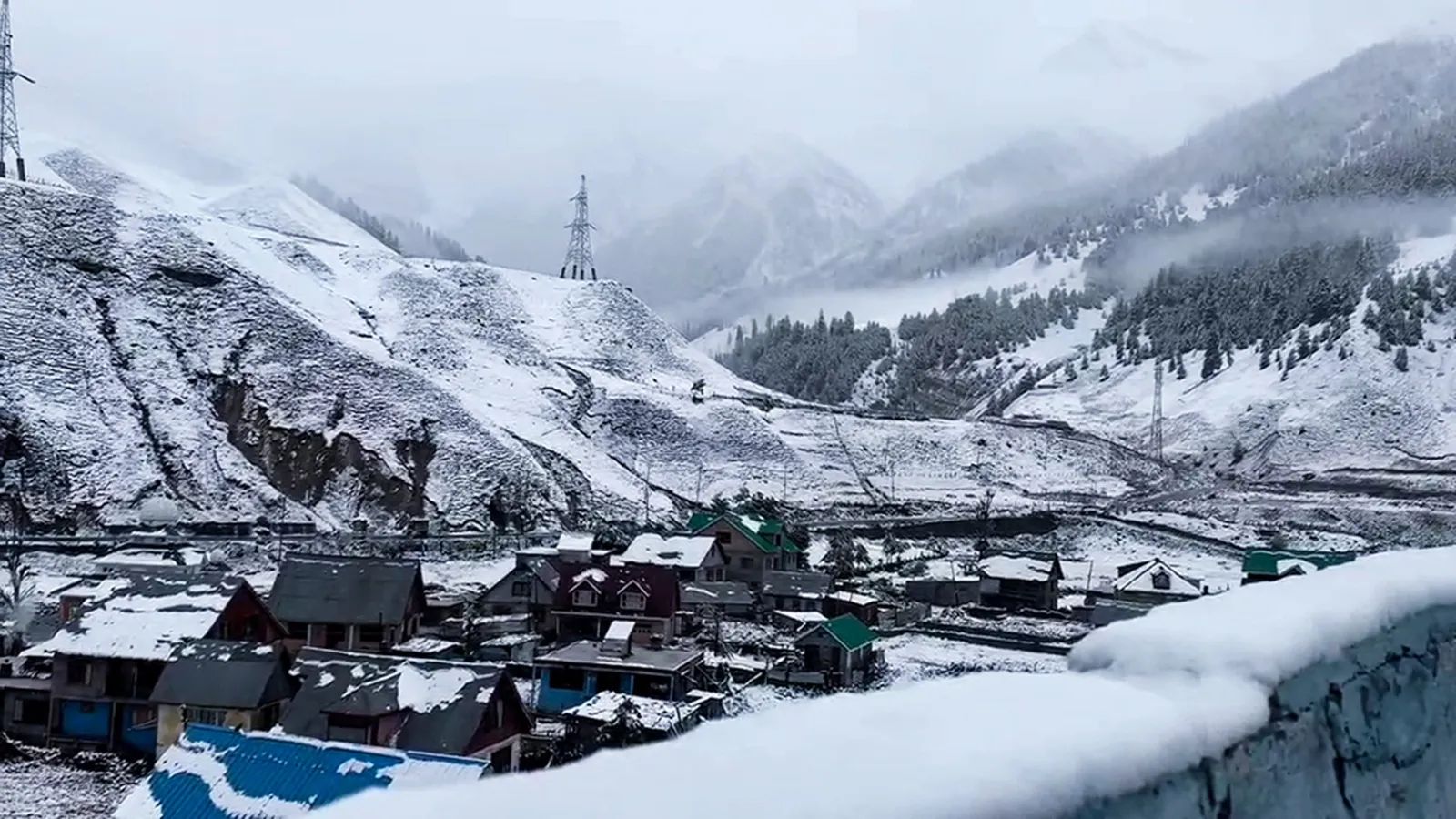
A groundbreaking study by IIT Kharagpur reveals that high-altitude areas in Jammu and Kashmir have warmed by nearly 1°C in two decades, threatening glaciers and water security for billions.
- High-altitude zones in J&K have warmed by approximately 1°C over the last 20 years.
- Locations like Gulmarg, Pahalgam, and Bhaderwah are experiencing rapid temperature rises.
- The melting of glaciers could lead to immediate flooding and long-term water scarcity.
- The impact could eventually affect downstream populations totaling nearly 2 billion people.
Researchers at IIT Kharagpur have sounded a major alarm regarding the rapid warming of high-altitude regions in Jammu and Kashmir. According to a comprehensive study, these sensitive mountainous areas have seen a temperature increase of nearly 1°C over the past two decades, a rate that significantly outpaces the warming observed in the plains.
The study, titled ‘Warming of the high-mountainous climate sensitive Jammu and Kashmir during the period 1980–2024’, analyzed 44 years of climate data. The findings indicate a distinct pattern of elevation-dependent warming, where higher altitudes are heating up much faster than lower elevations like Jammu.
Why This Matters
BozokMedia analysis shows that this shift in thermal dynamics poses an existential threat to regional hydrology and agriculture. The accelerated melting of snow and glaciers creates a dangerous cycle: as white ice disappears, it exposes darker rocks and soil that absorb more solar radiation, further intensifying the heat. This could lead to catastrophic flooding in rivers like the Jhelum and Chenab in the short term, followed by severe water shortages in the long term.
"Slowly this snow will be melting, and then ice will be also melting faster, and at some point, there will be nothing to melt, if we do nothing to prevent this." — Prof. Jayanarayanan Kuttippurath
The researchers, including Prof. Jayanarayanan Kuttippurath and his team from the Centre for Ocean, River, Atmosphere and Land Sciences (CORAL), highlighted that the cleaner atmosphere in Kashmir allows more solar radiation to reach the ground compared to the Indo-Gangetic plains, exacerbating the warming effect.
Historical Background
The Himalayan mountain range has long served as the 'Water Tower of Asia.' For centuries, the seasonal melting of glaciers has regulated the flow of major river systems. However, the industrial era and rising greenhouse gas emissions have disrupted this delicate balance, turning a natural cycle into a climate crisis.
Frequently Asked Questions
1. Which areas in J&K are most affected?
High-altitude areas such as Gulmarg, Pahalgam, and Bhaderwah have recorded the most significant temperature increases.
2. How will this affect the global population?
While the warming is local, the disruption of the Himalayan water cycle can impact the water security of nearly 2 billion people downstream.