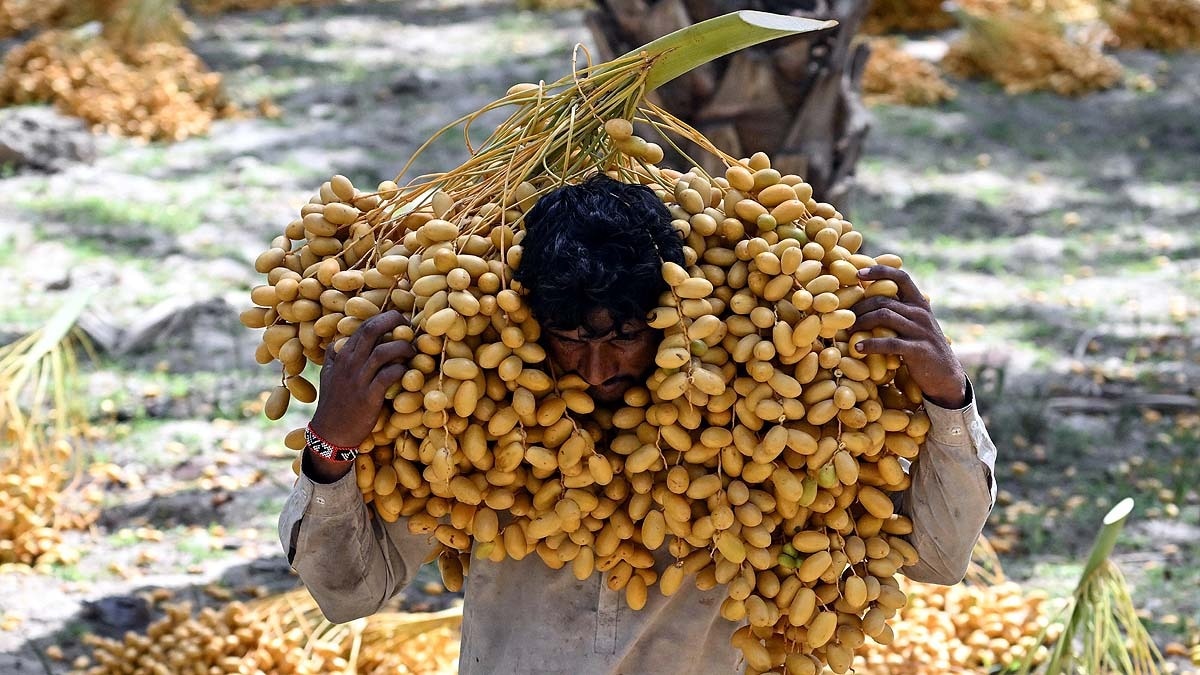
As El Niño drives temperatures in Pakistan's Sindh province to a staggering 45°C, date harvesters are facing life-threatening conditions. This report explores the intersection of climate change and agricultural labor struggles.
- Temperatures in Sindh, Pakistan, have surged to 45°C due to El Niño.
- The date harvesting season coincides with the peak of extreme summer heat.
- Pakistan remains highly vulnerable to climate change despite low emissions.
- Laborers face dual threats of extreme heat and steam during processing.
In the Khairpur district of Sindh, Pakistan, a silent crisis is unfolding. As the date harvesting season commences in July, the region is being battered by extreme heat driven by the El Niño phenomenon. Temperatures are soaring between 40°C and 45°C, turning the essential agricultural task of harvesting into a perilous struggle for survival for thousands of seasonal laborers.
The Perilous Harvest of Khairpur
Khairpur is a vital hub for Pakistan's date industry, accounting for over half of the nation's total production. This industry supports a vast network of farmers and seasonal workers. The labor is physically demanding; workers must climb towering date palm trees to pluck the fruit. The hardship intensifies during the processing stage, where some dates are boiled, exposing workers to both the blistering outdoor heat and the intense steam from boiling water.
Why This Matters
BozokMedia analysis shows that this situation is a stark manifestation of climate injustice. While Pakistan contributes less than 1% to global greenhouse gas emissions, it remains one of the most climate-vulnerable nations on Earth, facing a cycle of extreme weather events.
The intersection of rising global temperatures and seasonal labor patterns is creating a public health emergency for agricultural workers in South Asia.
To cope, laborers have been forced to alter their traditional working hours, starting their shifts well before sunrise and taking intermittent breaks during the hottest parts of the day. However, because the harvesting window is strictly limited, they cannot afford to stop working, as their entire livelihood depends on the timely collection of the crop.
Historical Context of Climate Vulnerability
Pakistan's agricultural sector has been under siege for years. The catastrophic floods of 2022 submerged nearly one-third of the country, devastating the Sindh province and destroying countless acres of farmland. Today, the threat has shifted from excessive water to excessive heat, with heatwaves and irregular rainfall patterns further destabilizing the food security of the region.
Frequently Asked Questions
1. How does El Niño affect Pakistan's agriculture?
El Niño leads to higher-than-average temperatures and unpredictable weather patterns, which can damage crops and make field labor extremely dangerous.
2. Why are date workers specifically at risk?
They perform high-altitude manual labor in extreme heat and are often exposed to steam during the processing of the fruit.


