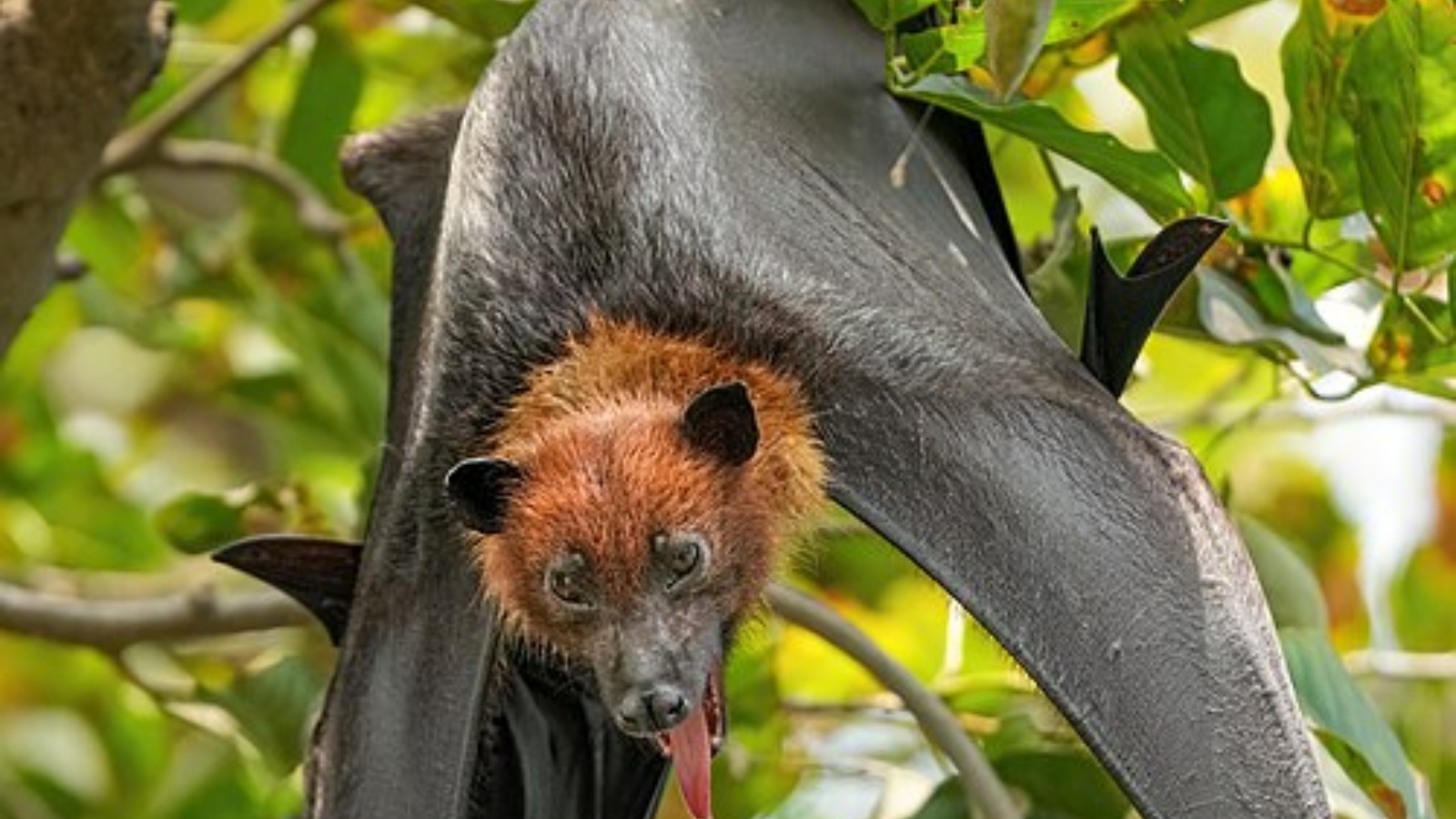
Beyond the myths and misconceptions lies the Indian Flying Fox, a vital seed disperser essential for forest regeneration. Discover why this unique mammal is fighting for survival.
- The Indian Flying Fox is a frugivore, playing a critical role in seed propagation.
- Its distinctive fox-like facial features give it its unique common name.
- Habitat loss and illegal hunting are driving a decline in its population.
The Indian Flying Fox stands as one of India's most imposing yet misunderstood bat species. Characterized by its fox-like countenance, expansive wings, and the habitual practice of roosting upside down, it is a biological marvel that defies the common stereotype of bats as mere insect-hunters.
According to wildlife photographer and conservationist Indrajit Ghorpade, the Indian Flying Fox is an indispensable asset to the environment. Unlike microbats, this species is primarily a frugivore, feeding on horticultural crops and wild fruits. This dietary preference makes them primary agents of seed dispersal, transporting seeds across vast distances and ensuring the regeneration of diverse forest landscapes.
Why This Matters
BozokMedia analysis shows that the Indian Flying Fox functions as a natural reforestation agent. In ecosystems where trees rely on animals for seed movement, the absence of these bats could lead to a catastrophic decline in vegetation spread. Their role is not just biological but structural to the health of Indian forests.
"The Indian Flying Fox is one of the largest bats and is exceptionally useful in seed propagation, acting as a catalyst for forest growth."
Despite their ecological value, these creatures often find themselves in conflict with humans. Farmers frequently label them as pests due to their appetite for cultivated fruits. Because they are nocturnal, their activities often go unnoticed until the damage to orchards becomes apparent, fueling local hostility.
The survival of the species is currently under threat. The rapid loss of old-growth trees has decimated their roosting sites. Furthermore, the species has historically been targeted by hunters due to misguided beliefs regarding medicinal properties and aphrodisiac effects, adding a layer of anthropogenic pressure to their struggle.
Frequently Asked Questions
Q1: Do Indian Flying Foxes eat insects?
A: No, unlike many other bat species, the Indian Flying Fox feeds almost exclusively on fruits and horticultural crops.
Q2: Why are their numbers declining in urban areas?
A: The primary reasons are the removal of large roosting trees and conflicts with urban residents regarding the noise and mess produced by large colonies.


