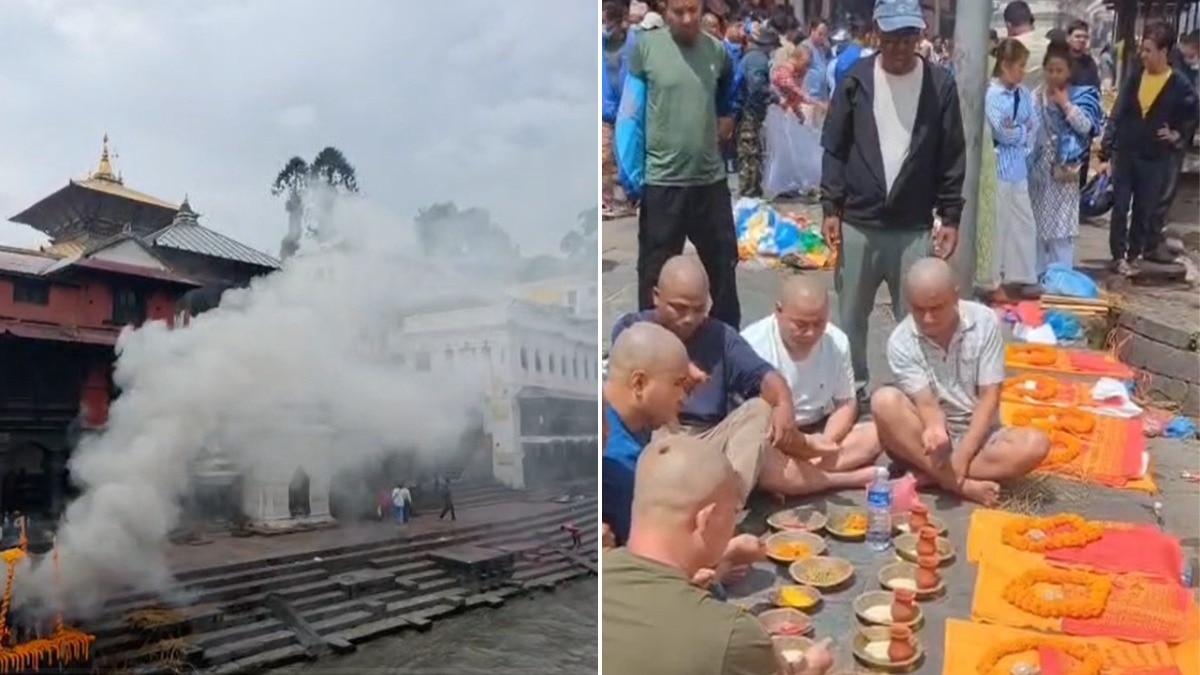
Due to the devastating flash floods in Nepal, many bodies remain unrecovered. Families are turning to ancient Hindu traditions described in the Garuda Purana, performing symbolic cremations using Kush grass effigies.
- Severe flash floods in Nepal have left many victims missing.
- Families are performing symbolic cremations using Kush grass effigies.
- The practice is sanctioned by the ancient Garuda Purana for unrecoverable bodies.
- Rituals at Pashupatinath Aryaghat are helping families complete religious obligations.
The catastrophic flash floods in Nepal have caused widespread devastation, but beyond the physical destruction lies a profound emotional and spiritual crisis. As the death toll continues to rise, many families face the harrowing reality of being unable to recover the bodies of their loved ones. This lack of physical remains has left survivors in a state of spiritual limbo, unsure of how to proceed with essential funeral rites.
In Hindu tradition, the period of 'Sutak' (ritual impurity following a death) is strictly observed. Until the final rites, including ceremonies like Dashgatra and Pind Daan, are completed, the family remains under these restrictions, which prohibit auspicious activities. To navigate this crisis, families along the banks of the Bagmati River and at Pashupatinath Aryaghat are turning to an ancient Vedic practice: the symbolic cremation of Kush grass effigies.
Why This Matters
BozokMedia analysis shows that these symbolic rituals serve a dual purpose: they fulfill religious mandates when physical bodies are absent and provide psychological closure to grieving families. In the face of overwhelming natural disasters, these traditions act as a bridge between unbearable loss and the necessity of spiritual continuity.
According to the Garuda Purana, if a body cannot be found, creating a replica from Darbha (Kush) grass for cremation is the prescribed Vedic method.
The Mandate of the Garuda Purana
The Garuda Purana, specifically in the 'Pretakalpa' section (Chapter 10, Verses 88–90), provides clear guidance for such dire circumstances. The scriptures state that if a person dies in a forest, a remote location, or due to unforeseen circumstances like theft or natural disasters where the body is lost, the family should construct a replica of the deceased using Darbha or Kush grass.
Upon receiving news of the death, the effigy is cremated following standard procedures. The ashes are then collected and immersed in holy waters, such as the Ganges or local sacred rivers. This ritual allows the subsequent mourning rites, such as the annual Shradh, to be calculated based on the date of the symbolic cremation, ensuring the soul's journey is not hindered by the absence of a physical corpse.
Historical and Mythological Context
This concept of symbolic representation has roots in deep mythology. A notable parallel is found in the legend of King Sagara's sons. When the sixty thousand sons of Sagara were reduced to ashes by the sage Kapila, their physical forms were destroyed. It was only through the descent of the Ganges by King Bhagiratha that their souls attained liberation. Similarly, the use of Kush effigies in Nepal is an attempt to seek spiritual liberation for those lost to the floods.
Frequently Asked Questions
1. Is it religiously valid to cremate a grass effigy instead of a body?
Yes, the Garuda Purana explicitly permits this method when a body is unrecoverable due to disaster or location.
2. What happens after the symbolic cremation?
After the effigy is burned and ashes are immersed in water, the family can proceed with all other traditional mourning rituals like the thirteenth-day ceremony.

