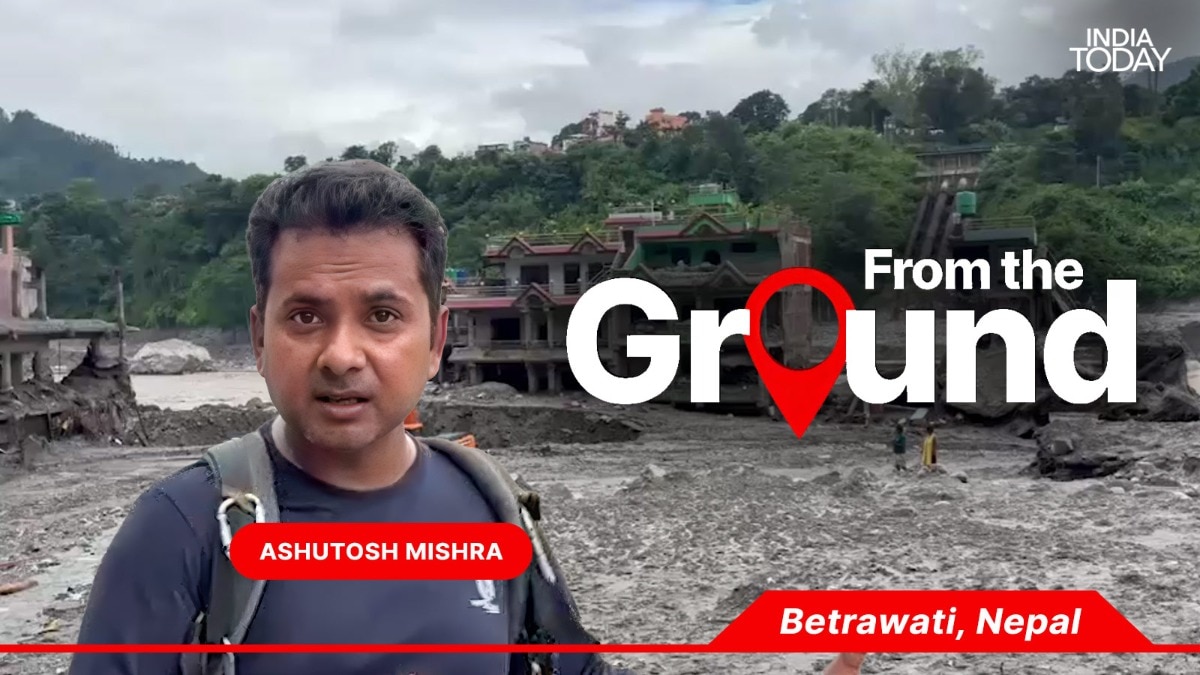
Monster floods have turned the once-vibrant and historic town of Betrawati in Nepal into a silent graveyard. Debris, ruined homes, and lost livelihoods paint a grim picture of climate vulnerability in the fragile Himalayan region.
- The historic town of Betrawati has been decimated by unprecedented monsoon floods.
- Local infrastructure is completely shattered, leaving hundreds homeless and searching for basic necessities.
- Climate experts warn that rising global temperatures are compounding natural disaster risks in the Himalayas.
The historic and culturally significant town of Betrawati in Nepal has been reduced to a desolate wasteland following catastrophic flash floods. Located at the confluence of the Trishuli and Phalangu rivers, the once-bustling town now resembles a silent graveyard. Torrential monsoon rains triggered unprecedented flooding, leaving behind a trail of mud, debris, and shattered dreams.
The sheer force of the floodwaters swept away solid concrete buildings, suspension bridges, and local heritage sites within hours. According to local authorities, the water levels rose so rapidly that residents had virtually no time to salvage their belongings, fleeing to higher ground with only the clothes on their backs. Today, streets that once buzzed with activity are buried under several feet of thick silt and heavy boulders.
Why This Matters
BozokMedia analysis shows that the devastation in Betrawati is not an isolated weather event but a stark harbinger of climate change realities in the Hindu Kush Himalayan region. Unplanned rapid urbanization, coupled with the unstable geological terrain of riverbanks, has exponentially increased the vulnerability of these mountain settlements to extreme weather events.
Displaced families are currently facing a severe humanitarian crisis. With drinking water sources contaminated and electricity lines snapped, the threat of waterborne diseases looms large over the survivors. While local youth and volunteers have initiated manual cleanup drives, the absence of heavy earthmoving machinery is severely stalling progress.
"The scale of devastation in Betrawati highlights the urgent need for climate-resilient infrastructure in the Himalayas. Traditional disaster response is no longer sufficient against these climate-induced monster floods." - Dr. Arati Sharma, Lead Hydrologist
Historical Background
Betrawati holds immense historical value for Nepal. It was the historic site where the 'Treaty of Betrawati' was signed in 1792 between the Tibetan-Chinese forces and the Gorkha Empire. While the region has witnessed seasonal flooding in the past, the sheer volume and destructive energy of this year's flood have shattered all historical precedents, threatening both human lives and irreplaceable cultural heritage.
| Parameter | 2024 Betrawati Flood | 2021 Melamchi Flood |
|---|---|---|
| Primary Cause | Extreme Cloudburst & Heavy Downpour | Glacial Lake Outburst & Landslide |
| Impact Area | Betrawati & Trishuli Basin | Melamchi Valley & Water Project |
| Infrastructure Damage | Severe (Bridges & Heritage Sites) | Catastrophic (National Water Grid Destroyed) |
Frequently Asked Questions
1. What caused the monster floods in Betrawati?
The disaster was primarily caused by an intense localized cloudburst that led to the sudden, unprecedented overflowing of the Trishuli and Phalangu rivers.
2. How has the flood affected the local cultural heritage?
Several ancient temples and historical landmarks situated along the riverbanks have suffered extensive structural damage, with some being completely washed away.