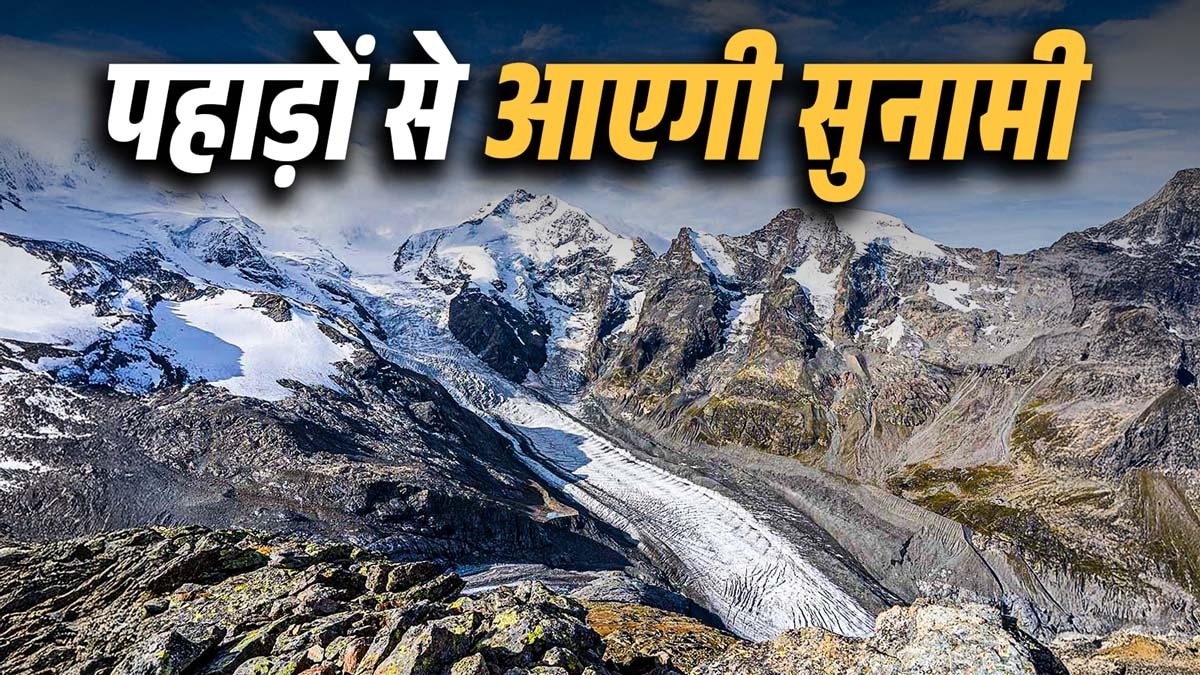
The threat of Glacial Lake Outburst Floods (GLOF) has intensified in Sikkim, with authorities identifying 40 high-risk lakes, including 16 in the most critical category.
- 40 glacial lakes in Sikkim have been flagged as high-risk.
- 16 lakes fall under 'Category A', the highest risk level.
- Shako Cho lake has been identified as the most sensitive.
- Satellite imagery and remote sensing are being used for real-time monitoring.
The rising threat from glacial lakes in the mountainous terrains of Sikkim has become a major cause for concern. According to recent government assessments, 40 glacial lakes have been identified as high-risk, with 16 of them classified under the most dangerous 'Category A'. A sudden breach in these lakes could trigger catastrophic flooding in the downstream areas.
Authorities have specifically highlighted Shako Cho as the most vulnerable lake in the state. If the water levels in these lakes rise abruptly or if natural barriers fail due to landslides or earthquakes, it could lead to a Glacial Lake Outburst Flood (GLOF), causing widespread devastation to lives and infrastructure.
Why This Matters
BozokMedia analysis shows that the accelerating melting of Himalayan glaciers due to climate change is directly increasing the hydrostatic pressure on these natural dams. The 2023 disaster in Sikkim serves as a grim reminder of how quickly a GLOF can destroy entire communities, bridges, and vital hydropower infrastructure.
Continuous monitoring of glacier melt rates and lake water levels is the only defense against impending GLOF disasters.
To manage this escalating threat, the state is employing advanced satellite imagery and remote sensing technologies. The lakes are categorized into three tiers: 16 in Category A (Extreme Risk), 2 in Category B (High Risk), and 9 in Category C (Moderate Risk). Specialized mitigation plans are being drafted for complex areas like the Lhonak and Gurudongmar complexes.
Historical Background: The 2023 Tragedy
The vulnerability of Sikkim to GLOF events is not theoretical. In October 2023, a massive glacial lake outburst caused significant destruction, claiming at least 60 lives. The disaster heavily impacted the Mangan, Gangtok, Pakyong, and Namchi districts, and resulted in the complete destruction of the Chungthang dam.
In response to this tragedy, the State Department of Science and Technology has taken a proactive stance. Current mitigation strategies include plans to reduce water volumes in lakes using pumps and pipes, constructing safety walls, and creating new drainage channels. Furthermore, a proposal to install new Early Warning Sensors is underway to provide timely alerts to residents in high-risk zones.
Frequently Asked Questions
1. What is a GLOF?
A Glacial Lake Outburst Flood (GLOF) is a sudden release of water from a lake fed by glacier melt, often caused by dam failure.
2. Which lake is considered the most dangerous in Sikkim?
Shako Cho has been identified by officials as the most sensitive and high-risk lake.
